hypoxanthine phosphoribosyltransferase 1
Ultimo aggiornamento 11 Apr 2023
Rispetta le linee guida editoriali
- ScaricaScarica
- Condividi
- Language
- Discussione
- Ask Patient
- Versione audio
- Aggiungi alle fonti preferite su Google
L HPRT1 gene provides instructions for producing an enzyme called hypoxanthine phosphoribosyltransferase 1. This enzyme allows cells to recycle purines, a type of building block of DNA and its chemical cousin RNA. Manufacturing purines uses more energy and takes more time than recycling purines, which makes recycling these molecules more efficient. Recycling purines ensures that cells have a plentiful supply of building blocks for the production of DNA and RNA. The process of recycling purines is also known as the purine salvage pathway.
Scelte video per GenesVideo library
Normal function
L HPRT1 gene provides instructions for producing an enzyme called hypoxanthine phosphoribosyltransferase 1. This enzyme allows cells to recycle purines, a type of building block of DNA and its chemical cousin RNA. Manufacturing purines uses more energy and takes more time than recycling purines, which makes recycling these molecules more efficient. Recycling purines ensures that cells have a plentiful supply of building blocks for the production of DNA and RNA. The process of recycling purines is also known as the purine salvage pathway.
Conditions referring to this gene or chromosome
Altri nomi
Guanine Phosphoribosyltransferase
HGPRT
HGPRTase
HOX5.4
HPRT
HPRT_HUMAN
HPRTase
hypoxanthine phosphoribosyltransferase 1 (Lesch-Nyhan syndrome)
Hypoxanthine-Guanine Phosphoribosyltransferase
IMP Pyrophosphorylase
Related patient information and medicines
Patient information leaflet
Gotta
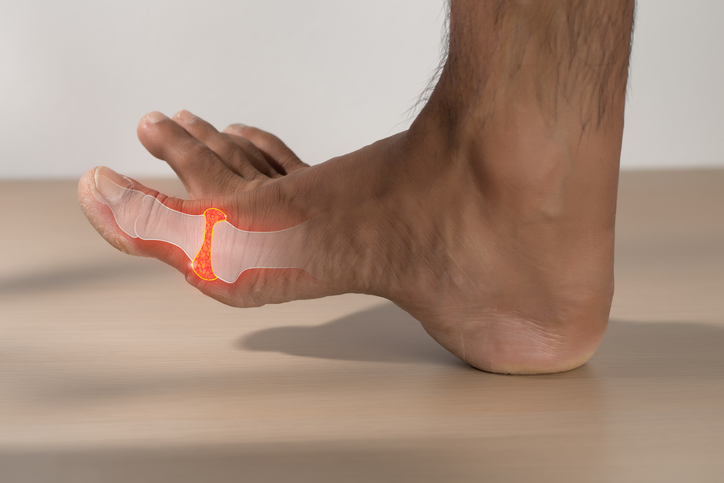
If gout attacks are frequent then taking a medicine (such as allopurinol) each day can prevent them. What is gout? | Patient Explainers Gout causes attacks of pain and swelling in one or more joints. An anti-inflammatory painkiller usually eases an attack quickly. Vascular disease. Enzyme defects such as hypoxanthine guanine.

Patient information leaflet
Arterite a cellule giganti
Prompt treatment aims to prevent serious complications such as severe sight impairment which can occur soon after the disease starts. What is giant cell arteritis. Giant cell arteritis (GCA), also known as temporal arteritis, is a condition which causes infiammazione on the inside of some blood vessels (arteries). It is called 'giant cell' because.

Patient information leaflet
Malattia renale diabetica
Diabetic kidney disease (diabetic nephropathy) is a complication that occurs in some people with diabetes. Diabetic kidney disease is one of the causes of chronic kidney disease Chronic kidney disease , a long-term condition where the kidneys do not work as well as they should. In diabetic kidney disease, the filters of the kidneys, the glomeruli,.

Patient information leaflet
Calcoli renali
Calcoli renali are hard calcoli that can cause severe pain in your side along with blood in your urine, and nausea and vomiting. You are more likely to develop kidney stones if you eat a Western diet, don't drink enough fluids or are overweight. Once you have had one episode they are likely to recur but there are several kidney stone treatment.

Patient information leaflet
Viaggiare verso località remote
These include Zika virus Zika virus , malaria Malaria , most viral haemorrhagic fevers, schistosomiasis Schistosomiasis , HIV HIV and AIDs , sleeping sickness, and leishmaniasis. Visit the Travel Health Pro website (see under 'Further Reading and References' below) for country-specific advice and to understand how you may minimise your risk of.

Patient information leaflet
la malattia di Wilson
la malattia di Wilson is a genetic ricorrenti in which copper builds up in the body, mainly in the liver and brain. Without any treatment, the build-up of copper can cause serious symptoms. Treatment is with medication to remove the excess copper and/or to prevent a further build-up of copper. What is Wilson's disease. Wilson's disease is a condition.
Ulteriori letture e riferimenti
- hypoxanthine phosphoribosyltransferase 1; MedlinePlus, National Library of Medicine.
- Duan J, Nilsson L, Lambert B. Structural and functional analysis of mutations at the human hypoxanthine phosphoribosyl transferase (HPRT1) locus. Hum Mutat. 2004 Jun;23(6):599-611. doi: 10.1002/humu.20047.
- Jinnah HA, De Gregorio L, Harris JC, Nyhan WL, O'Neill JP. The spectrum of inherited mutations causing HPRT deficiency: 75 new cases and a review of 196 previously reported cases. Mutat Res. 2000 Oct;463(3):309-26. doi: 10.1016/s1383-5742(00)00052-1.
- Jinnah HA. HPRT1 Disorders. 2000 Sep 25 [updated 2020 Aug 6]. In: Adam MP, Bick S, Mirzaa GM, Wallace SE, Amemiya A, editors. GeneReviews(R) [Internet]. Seattle (WA): University of Washington, Seattle; 1993-2026. Available from http://www.ncbi.nlm.nih.gov/books/NBK1149/
- Mileti LN, Baleja JD. The Role of Purine Metabolism and Uric Acid in Postnatal Neurologic Development. Molecules. 2025 Feb 11;30(4):839. doi: 10.3390/molecules30040839.
- Nanagiri A, Corado A. Lesch-Nyhan Syndrome. 2026 Jul 15. In: StatPearls [Internet]. Treasure Island (FL): StatPearls Publishing; 2026 Jan-. Available from http://www.ncbi.nlm.nih.gov/books/NBK556079/
Condividi i tuoi pensieri o esperienze con gli altri nel nostro comunità di pazienti.
Accesso semplice a trattamenti affidabili e servizi sanitari online.
Common conditions
Get help with common conditions through the NHS, without a GP appointment.
 Sinusite acuta
 Tonsillite batterica
 Impetigine
 Punture di insetti
 Fuoco di Sant'AntonioInfezioni delle vie urinarie (IVU)
Iscriviti alla newsletter di Patient
La tua dose settimanale di consigli sulla salute chiari e affidabili - scritti per aiutarti a sentirti informato, sicuro e in controllo.
Abbonandoti accetti i nostri Informativa sulla Privacy. Puoi annullare l'iscrizione in qualsiasi momento. Non vendiamo mai i tuoi dati.