glucose-6-phosphate dehydrogenase
Ultimo aggiornamento 3 Apr 2025
Rispetta le linee guida editoriali
- ScaricaScarica
- Condividi
- Language
- Discussione
- Ask Patient
- Versione audio
- Aggiungi alle fonti preferite su Google
L G6PD gene provides instructions for making an enzyme called glucose-6-phosphate dehydrogenase. This enzyme, which is active in virtually all types of cells, is involved in the normal processing of carbohydrates. It plays a critical role in red blood cells, which carry oxygen from the lungs to tissues throughout the body. This enzyme helps protect red blood cells from damage and premature destruction.
Scelte video per GenesVideo library
Normal function
L G6PD gene provides instructions for making an enzyme called glucose-6-phosphate dehydrogenase. This enzyme, which is active in virtually all types of cells, is involved in the normal processing of carbohydrates. It plays a critical role in red blood cells, which carry oxygen from the lungs to tissues throughout the body. This enzyme helps protect red blood cells from damage and premature destruction.
Glucose-6-phosphate dehydrogenase is responsible for the first step in the pentose phosphate pathway, a series of chemical reactions that convert glucose (a type of sugar found in most carbohydrates) to another sugar, ribose-5-phosphate. Ribose-5-phosphate is an important component of nucleotides, which are the building blocks of DNA and its chemical cousin RNA. This chemical reaction produces a molecule called NADPH, which plays a role in protecting cells from potentially harmful molecules called reactive oxygen species. These molecules are byproducts of normal cellular functions. Reactions involving NADPH produce compounds that prevent reactive oxygen species from building up to toxic levels within cells. The production of NADPH by glucose-6-phosphate dehydrogenase is essential in red blood cells, which are particularly susceptible to damage by reactive oxygen species because they lack other NADPH-producing enzymes.
Conditions referring to this gene or chromosome
Altri nomi
G6PD1
G6PD_HUMAN
Related patient information and medicines

Patient information leaflet
Ittero
Jaundice means that the skin and other body parts turn a yellow colour. This increased amount of bilirubin then spills into the tissues of the bod... Conditions that cause an increased rate of breakdown of red blood cells include: Some genetic diseases, such as sickle cell anaemia Sickle cell disease , thalassaemia Thalassaemia , spherocytosis,.
Patient information leaflet
Posso prendere l'artiglio del diavolo e la vitamina C insieme?
Diabetes Devil's claw may lower blood sugar levels; you must monitor your blood glucose closely as your diabetes medication dosage may need adjustment. Kidney stones (oxalate) High doses of vitamin C can increase the amount of oxalate in your urine, significantly r... G6PD deficiency If you have glucose-6-phosphate dehydrogenase (G6PD) deficiency,.
Patient information leaflet
Posso assumere Zenzero e Vitamina C insieme?
Kidney stones (Calcium oxalate) High doses of Vitamin C can significantly increase the amount of oxalate in your urine, which may lead to the formation of kidney stones, especially if you have a history of them. G6PD deficiency If you have glucose-6-phosphate dehydrogenase (G6PD) deficiency, high doses of vitamin C can cause your red blood cells.
Patient information leaflet
Posso prendere insieme l'olio di enotera e la vitamina C?
... Kidney stones or kidney disease High doses of vitamin C can increase the amount of oxalate in your urine, significantly raising the risk of developing kidney stones. G6PD deficiency If you have glucose-6-phosphate dehydrogenase (G6PD) deficiency, high doses of vitamin C can cause your red blood cells to break down (haemolysis)..
Patient information leaflet
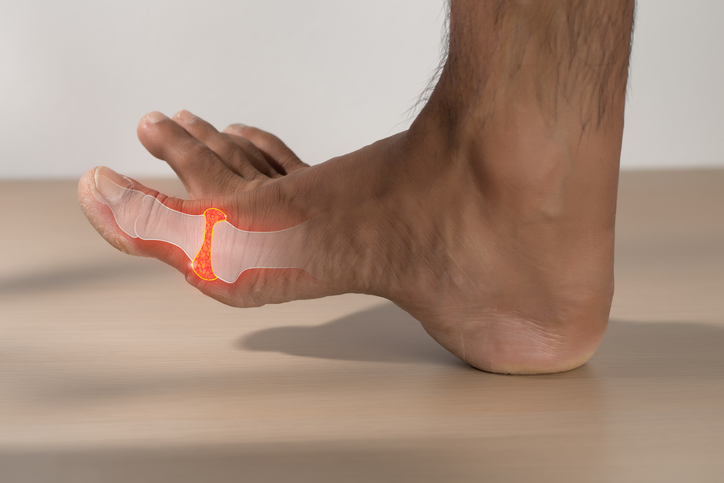
Gotta
What is gout? | Patient Explainers Gout causes attacks of pain and swelling in one or more joints. Find out more: [/health/gout-leaflet](https://patient.info/health/gout-leaflet) Follow Patient: Website: [/](https://patient.info/) Facebook: [https://www.facebook.com/patient](https://www.facebook.com/patient).

Patient information leaflet
Pianificare una gravidanza
This leaflet offers advice for women who are planning to become pregnant. The aim is to plan ahead to reduce t... Duchenne muscular dystrophy Fragile X syndrome. Haemophilias A and B. Glucose-6-phosphate dehydrogenase deficiency. Other medical conditions Other conditions for which it is best to see a doctor before becoming pregnant include:.
Ulteriori letture e riferimenti
- glucose-6-phosphate dehydrogenase; MedlinePlus, National Library of Medicine.
- Biochemistry (fifth edition, 2002): Glucose 6-Phosphate Dehydrogenase Plays a Key Role in Protection Against Reactive Oxygen Species
- Cappellini MD, Fiorelli G. Glucose-6-phosphate dehydrogenase deficiency. Lancet. 2008 Jan 5;371(9606):64-74. doi: 10.1016/S0140-6736(08)60073-2.
- Efferth T, Schwarzl SM, Smith J, Osieka R. Role of glucose-6-phosphate dehydrogenase for oxidative stress and apoptosis. Cell Death Differ. 2006 Mar;13(3):527-8; author reply 529-30. doi: 10.1038/sj.cdd.4401807. No abstract available.
- Luzzatto L, Nannelli C, Notaro R. Glucose-6-Phosphate Dehydrogenase Deficiency. Hematol Oncol Clin North Am. 2016 Apr;30(2):373-93. doi: 10.1016/j.hoc.2015.11.006.
- Verrelli BC, McDonald JH, Argyropoulos G, Destro-Bisol G, Froment A, Drousiotou A, Lefranc G, Helal AN, Loiselet J, Tishkoff SA. Evidence for balancing selection from nucleotide sequence analyses of human G6PD. Am J Hum Genet. 2002 Nov;71(5):1112-28. doi: 10.1086/344345. Epub 2002 Oct 11.
Condividi i tuoi pensieri o esperienze con gli altri nel nostro comunità di pazienti.
Accesso semplice a trattamenti affidabili e servizi sanitari online.
Common conditions
Get help with common conditions through the NHS, without a GP appointment.
 Sinusite acuta
 Tonsillite batterica
 Impetigine
 Punture di insetti
 Fuoco di Sant'AntonioInfezioni delle vie urinarie (IVU)
Iscriviti alla newsletter di Patient
La tua dose settimanale di consigli sulla salute chiari e affidabili - scritti per aiutarti a sentirti informato, sicuro e in controllo.
Abbonandoti accetti i nostri Informativa sulla Privacy. Puoi annullare l'iscrizione in qualsiasi momento. Non vendiamo mai i tuoi dati.