Hepatic veno-occlusive disease with immunodeficiency
Ultimo aggiornamento 2 Dic 2024
Rispetta le linee guida editoriali
- ScaricaScarica
- Condividi
- Language
- Discussione
- Ask Patient
- Versione audio
- Aggiungi alle fonti preferite su Google
Hepatic veno-occlusive disease with immunodeficiency (VODI) is a disorder of the liver and immune system. Its signs and symptoms typically appear before six months of age.
Scelte video per Condizioni geneticheVideo library
Descrizione
Hepatic veno-occlusive disease with immunodeficiency (VODI) is a disorder of the liver and immune system. Its signs and symptoms typically appear before six months of age.
Hepatic veno-occlusive disease is a condition that blocks (occludes) small veins in the liver, disrupting blood flow in this organ. This condition can lead to enlargement of the liver (hepatomegaly), a buildup of scar tissue (hepatic fibrosis), and liver failure.
Children with VODI have immune systems that do not function normally. They are vulnerable to recurrent infections that are caused by certain bacteria, viruses, and fungi. Affected individuals experience frequent colds or bouts of pneumonia. The infections are likely related to lower-than-normal levels of immune system cells, including special proteins called antibodies or immunoglobulins, particularly immunoglobulin M (IgM), immunoglobulin G (IgG), and immunoglobulin A (IgA). Antibodies attach to specific foreign particles, marking them for destruction. These infections are usually serious and may be life-threatening. In most people with VODI, infections occur before hepatic veno-occlusive disease becomes evident.
Some children with VODI have neurological problems due to blocked blood flow in the brain.
If untreated, children with VODI do not survive past infancy. With treatment, many people with VODI can live into childhood and sometimes into their teens.
Modelli di ereditarietà
The source lists the following possible inheritance patterns: Autosomal recessive. More than one pattern can apply in different cases.
Related genes
Altri nomi
Familial veno-occlusive disease with immunodeficiency
Hepatic venoocclusive disease with immunodeficiency
Veno-occlusive disease and immunodeficiency syndrome
VODI
Related patient information and medicines

Patient information leaflet
Malattia di Bowen
Bowen's disease is a very early form of skin cancer. So, Bowen's disease is generally treated to stop this happening. For example, if you have AIDS, HIV and AIDs if you are undergoing treatment for cancer, have had an organ transplant, or have had medicines to suppress your immune system. Infezione with the human papillomavirus (HPV) HPV vaccine..

Patient information leaflet
Malattia da graffio di gatto
Cat scratch malattia is a bacterial infection caused by cat scratches or bites. It causes swollen lymph nodes and other symptoms such as a fever. Malattia da graffio di gatto is an l'infezione caused by a bacterium called Bartonella henselae. People with immunodeficiency, such as people with test HIV or AIDS, HIV and AIDs or taking treatment that suppresses the.
Patient information leaflet
Farmaci antireumatici modificanti la malattia
Disease-modifying antirheumatic drugs (DMARDs) are medicines that are normally prescribed as soon as artrite reumatoide (RA) is diagnosed, in order to reduce damage to the joints. Rarely, they can have serious side-effects affecting the blood, liver, or kidneys. DMARDS are usually taken for the rest of your life. Arthritis means inflammation of.

Patient information leaflet
Malattie del fegato e alcol
Alcohol abuse can lead to three main types of liver diseases: fatty fegato , epatite e 'scarring' of the liver ( cirrhosis ). It can also lead to other health problems. What is alcoholic liver disease. Dr Sarah Jarvis MBE, GP and Clinical Director at Patient.info Drinking too much alcohol can lead to three main types of liver conditions: fatty.

Patient information leaflet
Valutazione del rischio per la salute cardiovascolare
A cardiovascular health risk assessment provides an accurate estimate of your risk of developing cardiovascular disease (eg, angina, heart attack, stroke or peripheral arterial disease) over the following 10 years, and provides an opportunity for you to make any changes that will reduce this risk. If you already have a cardiovascular disease or.
Patient information leaflet
Malattia renale cronica
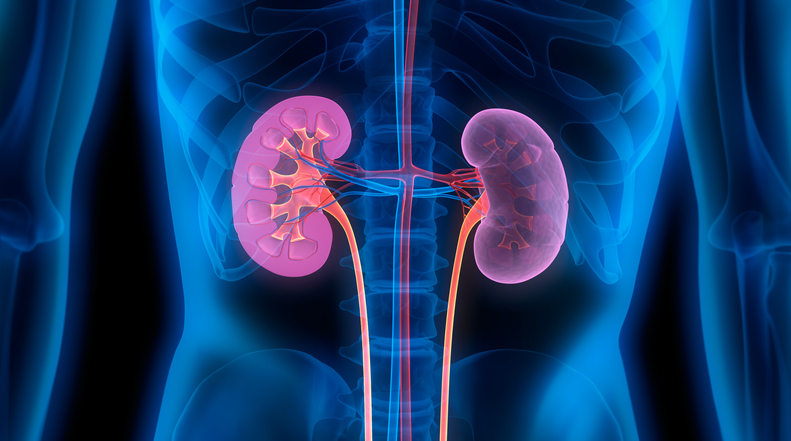
Malattia renale cronica means that the reni sono not working as well as would be expected. Various conditions can cause chronic kidney disease. Chronic kidney disease tends to become worse gradually over months or years. What is chronic kidney disease. Chronic kidney disease (CKD) means that the kidneys are not working as well as they used to,.
Ulteriori letture e riferimenti
- Hepatic veno-occlusive disease with immunodeficiency; MedlinePlus, National Library of Medicine.
- Cliffe ST, Wong M, Taylor PJ, Ruga E, Wilcken B, Lindeman R, Buckley MF, Roscioli T. The first prenatal diagnosis for veno-occlusive disease and immunodeficiency syndrome, an autosomal recessive condition associated with mutations in SP110. Prenat Diagn. 2007 Jul;27(7):674-6. doi: 10.1002/pd.1759.
- Hamdoun O, Al Mulla A, Al Zaabi S, Shendi H, Al Ghamdi S, Hertecant J, Al-Shibli A. Unique Mutation in SP110 Resulting in Hepatic Veno-Occlusive Disease with Immunodeficiency. Case Rep Pediatr. 2020 Jan 10;2020:3460631. doi: 10.1155/2020/3460631. eCollection 2020.
- Roscioli T, Cliffe ST, Bloch DB, Bell CG, Mullan G, Taylor PJ, Sarris M, Wang J, Donald JA, Kirk EP, Ziegler JB, Salzer U, McDonald GB, Wong M, Lindeman R, Buckley MF. Mutations in the gene encoding the PML nuclear body protein Sp110 are associated with immunodeficiency and hepatic veno-occlusive disease. Nat Genet. 2006 Jun;38(6):620-2. doi: 10.1038/ng1780. Epub 2006 Apr 30.
- Wong M. Hepatic Veno-Occlusive Disease with Immunodeficiency. 2007 Feb 21 [updated 2025 Jan 23]. In: Adam MP, Bick S, Mirzaa GM, Wallace SE, Amemiya A, editors. GeneReviews(R) [Internet]. Seattle (WA): University of Washington, Seattle; 1993-2026. Available from http://www.ncbi.nlm.nih.gov/books/NBK1271/
Condividi i tuoi pensieri o esperienze con gli altri nel nostro comunità di pazienti.
Accesso semplice a trattamenti affidabili e servizi sanitari online.
Common conditions
Get help with common conditions through the NHS, without a GP appointment.
 Sinusite acuta
 Tonsillite batterica
 Impetigine
 Punture di insetti
 Fuoco di Sant'AntonioInfezioni delle vie urinarie (IVU)
Iscriviti alla newsletter di Patient
La tua dose settimanale di consigli sulla salute chiari e affidabili - scritti per aiutarti a sentirti informato, sicuro e in controllo.
Abbonandoti accetti i nostri Informativa sulla Privacy. Puoi annullare l'iscrizione in qualsiasi momento. Non vendiamo mai i tuoi dati.