Allergic asthma
Ultimo aggiornamento 2 Ottobre 2024
Rispetta le linee guida editoriali
- ScaricaScarica
- Condividi
- Language
- Discussione
- Ask Patient
- Versione audio
- Aggiungi alle fonti preferite su Google
Asthma is a breathing disorder characterised by inflammation of the airways and recurrent episodes of breathing difficulty. These episodes, sometimes referred to as asthma attacks, are triggered by irritation of the inflamed airways. In allergic asthma, the attacks occur when substances known as allergens are inhaled, causing an allergic reaction. Allergens are harmless substances that the body's immune system mistakenly reacts to as though they are harmful. Common allergens include pollen, dust, animal dander, and mold. The immune response leads to the symptoms of asthma. Allergic asthma is the most common form of the disorder.
Scelte video per Condizioni geneticheVideo library
Descrizione
Asthma is a breathing disorder characterised by inflammation of the airways and recurrent episodes of breathing difficulty. These episodes, sometimes referred to as asthma attacks, are triggered by irritation of the inflamed airways. In allergic asthma, the attacks occur when substances known as allergens are inhaled, causing an allergic reaction. Allergens are harmless substances that the body's immune system mistakenly reacts to as though they are harmful. Common allergens include pollen, dust, animal dander, and mold. The immune response leads to the symptoms of asthma. Allergic asthma is the most common form of the disorder.
A hallmark of asthma is bronchial hyperresponsiveness, which means the airways are especially sensitive to irritants and respond excessively. Because of this hyperresponsiveness, attacks can be triggered by irritants other than allergens, such as physical activity, respiratory infections, or exposure to tobacco smoke, in people with allergic asthma.
An asthma attack is characterised by tightening of the muscles around the airways (bronchoconstriction), which narrows the airway and makes breathing difficult. Additionally, the immune reaction can lead to swelling of the airways and overproduction of mucus. During an attack, an affected individual can experience chest tightness, wheezing, shortness of breath, and coughing. Over time, the muscles around the airways can become enlarged (hypertrophied), further narrowing the airways.
Some people with allergic asthma have another allergic disorder, such as hay fever (allergic rhinitis) or food allergies. Asthma is sometimes part of a series of allergic disorders, referred to as the atopic march. Development of these conditions typically follows a pattern, beginning with eczema (atopic dermatitis), followed by food allergies, then hay fever, and finally asthma. However, not all individuals with asthma have progressed through the atopic march, and not all individuals with one allergic disease will develop others.
Modelli di ereditarietà
The source lists the following possible inheritance patterns: Pattern unknown. More than one pattern can apply in different cases.
Altri nomi
Extrinsic asthma
Related patient information and medicines

Patient information leaflet
Febbre da fieno
What is hay fever? | Patient Explainers Hay fever is caused by an allergy to pollen. Cells on the lining of the nose and eyes release chemicals (for example... Sweats. Headache Headache. Asthma symptoms Alcune persone sviluppano i sintomi dell'asma come wheeze Wheeze and breathlessness Breathlessness and difficulty breathing. People who already have.

Patient information leaflet
Asma
Asthma is a common condition that affects the airways. This leaflet gives a general overview of asthma. Asthma is a condition that affects the smaller airways (bronchioles) of the lungs. Certain medicines - for example, about 1 in 50 people with asma sono allergici per aspirin, which can trigger symptoms. Sostanze chimiche called leukotrienes are produced.
Patient information leaflet
Asma fragile
Some possibilities include: Allergies Allergies. Many people with brittle asthma ho atopy, a condition where the immune system tends to react strongly to allergenic things in the environment, leading to allergies, asthma, and eczema. Allergie per dust mite House dust mite and pet allergia and different types of food allergia Food allergia and.
Patient information leaflet
Allergia alle proteine del latte vaccino
Cow's milk protein allergy is one of the most common food allergies seen in children. Cow's milk protein allergy is more likely in children who have other allergici (or atopic) conditions such as asthma Asthma , eczema or hay fever Hay fever , or if close family members have those conditions. Find out more:.
Patient information leaflet
Allergia agli acari della polvere e agli animali domestici
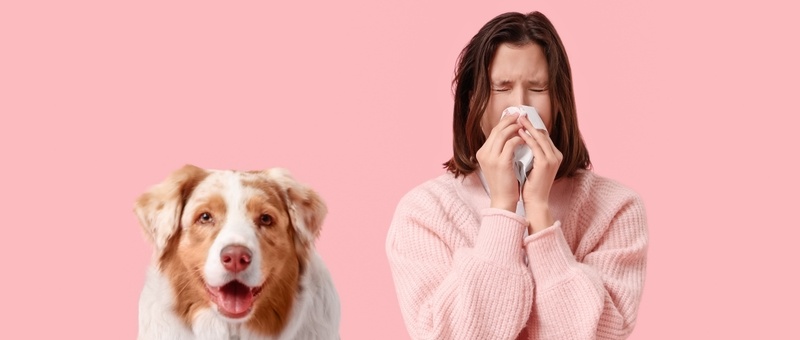
House dust mite and pet allergies occur because of a reaction to tiny airborne particles within the home. If you have asthma, your asthma symptoms can also be made worse by these allergies. Regular use of long term medication can i... House dust mites House dust mites are present in all homes in the UK. People with asma frequently wheeze Asthma.

Patient information leaflet
Allergia alle noci
Nuts and peanuts can cause allergic reactions, which are sometimes severe. Atopy is the name for a group of allergic conditions that include hay fever Hay fever , asthma Asthma and eczema Atopic eczema. Wheezing or difficulty breathing due to an asthma-like attack, or swelling around your throat. Palforzia® is a type of immunotherapy that has been.
Ulteriori letture e riferimenti
- Allergic asthma; MedlinePlus, National Library of Medicine.
- Barnes KC. Genetic studies of the etiology of asthma. Proc Am Thorac Soc. 2011 May;8(2):143-8. doi: 10.1513/pats.201103-030MS.
- Kiley J, Smith R, Noel P. Asthma phenotypes. Curr Opin Pulm Med. 2007 Jan;13(1):19-23. doi: 10.1097/MCP.0b013e328011b84b.
- Mathias RA. Introduction to genetics and genomics in asthma: genetics of asthma. Adv Exp Med Biol. 2014;795:125-55. doi: 10.1007/978-1-4614-8603-9_9.
- Mims JW. Asthma: definitions and pathophysiology. Int Forum Allergy Rhinol. 2015 Sep;5 Suppl 1:S2-6. doi: 10.1002/alr.21609.
- Toskala E, Kennedy DW. Asthma risk factors. Int Forum Allergy Rhinol. 2015 Sep;5 Suppl 1(Suppl 1):S11-6. doi: 10.1002/alr.21557.
- Vercelli D. Discovering susceptibility genes for asthma and allergy. Nat Rev Immunol. 2008 Mar;8(3):169-82. doi: 10.1038/nri2257.
Storia dell'articolo
Articolo disponibile anche in Inglese, Tedesco, Spagnolo, Francese, Italiano, Portoghese, Hindi, Ebraico, Arabo, and Svedese.
2 Ottobre 2024 | Ultima versione
1 Dec 2015 | Pubblicato originariamente
Condividi i tuoi pensieri o esperienze con gli altri nel nostro comunità di pazienti.
Accesso semplice a trattamenti affidabili e servizi sanitari online.
Common conditions
Get help with common conditions through the NHS, without a GP appointment.
 Sinusite acuta
 Tonsillite batterica
 Impetigine
 Punture di insetti
 Fuoco di Sant'AntonioInfezioni delle vie urinarie (IVU)
Iscriviti alla newsletter di Patient
La tua dose settimanale di consigli sulla salute chiari e affidabili - scritti per aiutarti a sentirti informato, sicuro e in controllo.
Abbonandoti accetti i nostri Informativa sulla Privacy. Puoi annullare l'iscrizione in qualsiasi momento. Non vendiamo mai i tuoi dati.