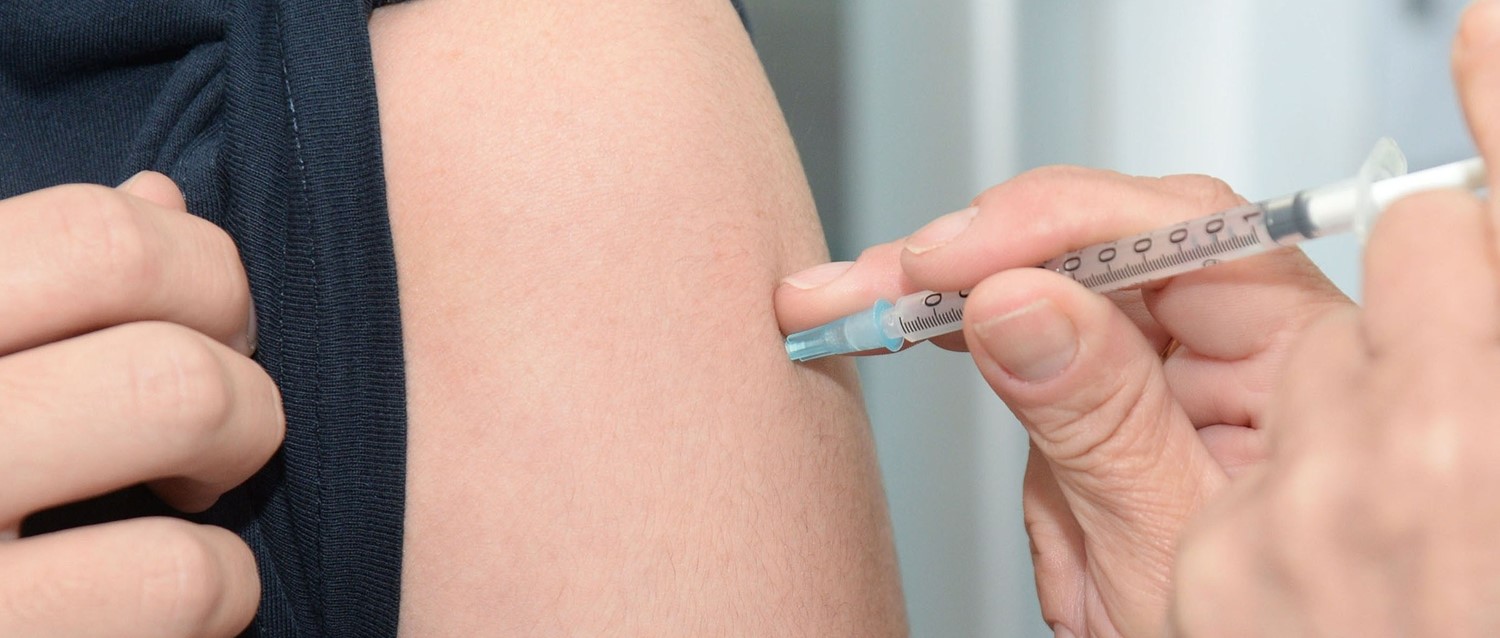
Will flu vaccinations be available after Brexit?
Peer reviewed by Joe CrowtherAuthored by Ashwin BhandariOriginally published 9 Sept 2019
Meets Patient’s editorial guidelines
- DownloadDownload
- Share
- Language
- Discussion
- Audio Version
- Add to preferred sources on Google
Leaving the EU without a deal on 31 October 'likely' to disrupt flu vaccine delivery just as UK faces virulent strain, doctors warn.
Several doctors and other health professionals have expressed concerns that a no-deal Brexit would affect this year's supply.
The president of the Royal College of Physicians, Andrew Goddard, told BBC Newsnight: "I can't sit here and say, 'Don't worry, no deal will be fine, no one is going to come to any harm, no one is going to run out of medicines'. "
Drug manufacturer Sanofi UK has said it would also expect issues with the vaccine in the event of no deal.
Hugo Fry, the company's managing director, told the BBC that more than 1 million doses of the vaccine would still need to be imported into the country after 31 October. He states that this is due to delays in identifying which strains of flu to put in this year's supply.
Fry added: "In the world of vaccines, you get shortages more often than you do in medicines, for example, because of the complexity. Therefore imagine in a world where it is difficult to get things into a country and there's a shortage of a particular vaccine, that's when you want to rush it into the country in case there's a shortfall."
The Department of Health stated: "We are working closely with vaccine suppliers to ensure they have robust contingencies in place. We want to reassure our patients that our plans should ensure that supplies of vaccines remain uninterrupted when we leave the EU on October 31, whatever the circumstances."
Flu vaccines are offered free every year to those most at risk of the illness, including over-65s and pregnant women, and other people can pay a small fee for the jab.
The World Health Organization also recommended it to people with pre-existing health conditions - (such as diabetes, asthma, chronic heart or lung diseases), children aged 6 months to 5 years, pregnant women and healthcare workers - to effectively prevent flu infection and its complications.
The NHS says the best time to get a flu vaccine is in the autumn, from the beginning of October to the end of November. Last winter it was reported that 72% of eligible people over 65 and 45% of eligible pregnant women had the vaccine, according to Public Health England.
Patient picks for Flu and vaccination

Infections
Can the flu jab really give you the flu?
Winter is coming and with it the dreaded flu virus. But many people put off having their flu jab for fear it gives them the flu, when in fact it's your best defence against the nasty illness. A GP and a pharmacist explain why.
by Andrea Downey
Infections
How to manage your flu symptoms at home
Winter is coming and that means flu season is also about to be in full swing. Most of us are familiar with the headaches, pains, sore throat and runny nose, but you don't have to suffer through it - there are steps you can take to manage your symptoms at home.
by Andrea Downey
About the authorView full bio
Authored by

Ashwin Bhandari
Medical Writer
BA Journalism
About the reviewer

Joe Crowther
Join the conversation
Share your thoughts or experiences with others in our patient communities.

Ask, share, connect.
Browse discussions, ask questions, and share experiences across hundreds of health topics.

Feeling unwell?
Assess your symptoms online for free
Sign up to the Patient newsletter
Your weekly dose of clear, trustworthy health advice - written to help you feel informed, confident and in control.
By subscribing you accept our Privacy Policy. You can unsubscribe at any time. We never sell your data.