Pride, belonging, and why health is about more than healthcare
Peer reviewed by Dr Colin Tidy, MRCGPAuthored by Thomas Andrew Porteus, MBCSOriginally published 9 Jun 2026
Meets Patient’s editorial guidelines
- DownloadDownload
- Share
- Language
- Discussion
- Audio Version
- Add to preferred sources on Google
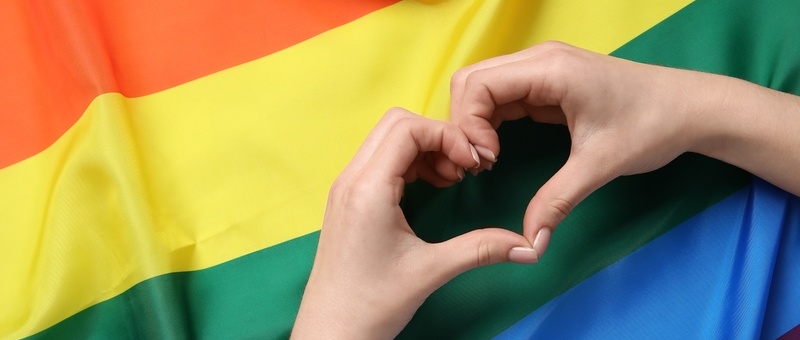
Pride Month isn’t only a time for visibility and celebration - it also offers a chance to think more broadly about how identity, belonging, and connection shape our health and wellbeing. Increasingly, there’s a growing understanding that health isn’t just about what happens in clinical settings, but about the everyday environments we live in and the relationships that support us.
Pride Month arrives at an interesting moment.
Over recent years, conversations about LGBTQ+ people have become increasingly visible in public life. Discussions about diversity and inclusion, gender identity, sexuality, and equality regularly feature in political debate, newspaper columns, and social media feeds. Issues that were once relatively niche topics are now discussed far more widely, often by people with very different perspectives.
That increased attention reflects how much society has changed. LGBTQ+ people are more visible than ever before, and many of the rights and protections that exist today would have been difficult to imagine just a few decades ago. Representation has increased across politics, sport, entertainment, and business. Younger generations are growing up in a world where discussions about sexuality and gender are often more open than they were for their parents or grandparents.
At the same time, greater visibility has not necessarily meant an end to disagreement. Many of these topics remain the subject of lively public debate, and there are often strongly held views on all sides. It can sometimes feel as though LGBTQ+ people are simultaneously more accepted and more scrutinised than ever before.
For healthcare professionals, however, an equally important question sits alongside the politics.
What impact does the wider social environment have on health?
It is an important question because health is shaped by far more than medicines, treatments, and hospital appointments. Increasingly, researchers recognise that our wellbeing is influenced by factors such as social connection, community support, relationships, and whether we feel that we belong.
In other words, health does not begin when we become ill.
It begins with the lives we lead every day.
The importance of belonging
When public health experts discuss the factors that influence health, they often focus on things such as housing, education, employment, and income. These are important determinants of health because they shape the circumstances in which people live.
Yet there is another factor that receives less attention, despite influencing many aspects of wellbeing - belonging.
Belonging is difficult to measure. It does not appear on a blood test, and it cannot be prescribed by a doctor. Nevertheless, it has a profound impact on how people experience their lives.
Feeling accepted by family, connected to friends and part of a wider community can improve confidence, resilience, and mental wellbeing. It can provide support during difficult periods and help people cope with stress. On the other hand, feeling isolated, excluded, or misunderstood can affect your mental health and contribute to loneliness.
This is not a uniquely LGBTQ+ experience. Most people can probably remember a time when they felt like an outsider, whether at school, at work or within a social group. Those experiences can be uncomfortable and emotionally draining even when they are temporary.
For people who feel different from those around them, however, questions of belonging can sometimes be more persistent.
Many LGBTQ+ people describe spending years trying to understand where they fit, whether they will be accepted and how much of themselves they feel comfortable sharing with others. While experiences vary enormously from person to person, the common thread is often the search for connection and acceptance.
This helps explain why community has played such an important role throughout LGBTQ+ history.
Why community matters
Long before LGBTQ+ people gained legal recognition and greater visibility in mainstream society, communities often provided support, friendship, and understanding.
Community groups, social spaces, support organisations, and informal networks helped people find others who shared similar experiences. These spaces were not simply places to socialise. For many people, they offered reassurance that they were not alone.
Although society has changed significantly, the importance of community has not disappeared.
Research into loneliness and social isolation has highlighted just how important social connection is for health. Strong social relationships are associated with better mental wellbeing, improved resilience, and higher levels of life satisfaction. Conversely, loneliness has become recognised as a significant public health challenge, with effects that can extend beyond mental health into physical wellbeing.
This growing understanding has even influenced healthcare itself. Initiatives such as social prescribing recognise that improving health is not always about medicine or clinical interventions. Sometimes it involves helping people connect with activities, groups, and communities that support their wellbeing.
The idea is simple but powerful.
People tend to do better when they feel connected to other people.
Health inequalities beyond the consulting room
Last year, NHS England launched its first review into LGBTQ+ health inequalities, recognising evidence that disparities in health outcomes and healthcare experiences continue to exist.
The existence of those inequalities can sometimes be surprising to people who assume that equal access to healthcare should naturally lead to equal outcomes. The reality is often more complicated.
Healthcare does not exist in isolation from the rest of society. People’s experiences before they walk through the door of a GP surgery can influence how they engage with healthcare services once they are there.
Trust plays an important role.
People are more likely to seek help when they feel understood. They are more likely to engage with healthcare services when they feel comfortable discussing their lives and experiences. They are more likely to access preventative services when they believe those services are relevant to them.
This is one reason why healthcare organisations increasingly focus on patient experience as well as clinical outcomes.
Good healthcare is not only about delivering the correct treatment. It is also about creating environments in which people feel able to access care when they need it.
For LGBTQ+ people, as for many other groups, that experience can be shaped by wider social factors that extend far beyond the healthcare system itself.
Living in an age of constant conversation
One feature of modern life is that public conversations rarely stay confined to newspapers or television programmes.
Social media means that debates can follow us almost everywhere. Discussions that might once have been encountered occasionally can now appear repeatedly throughout the day, often amplified by algorithms that favour controversy and conflict.
This affects everyone, regardless of their views.
For some LGBTQ+ people, however, it can create a sense that aspects of their identity are constantly being discussed, analysed, or debated by others. Even when those conversations are conducted respectfully, they can still contribute to feelings of uncertainty or fatigue.
This is not about suggesting that difficult topics should not be discussed. Open societies depend on the ability to debate complex issues.
Rather, it is a reminder that public conversations do not take place in a vacuum. They are experienced by real people with real lives, relationships, and concerns.
The way people experience the world around them can influence their wellbeing, whether through feelings of connection and acceptance or through feelings of isolation and uncertainty.
Looking beyond Pride Month
Pride is often associated with parades, celebrations, and visibility, but perhaps its lasting significance lies somewhere deeper.
At its heart, Pride is also about belonging.
It is about creating opportunities for people to feel seen, welcomed, and connected to others. It is about reminding people that they are not alone in their experiences. It is about community in the broadest sense of the word.
These ideas may not always be discussed as health issues, yet they touch on many of the factors that public health experts increasingly recognise as essential to wellbeing.
Health is not simply the absence of illness. It is influenced by the quality of our relationships, the strength of our communities, and our sense of connection to the world around us.
As discussions about identity, inclusion, and social change continue, that may be one of the most valuable lessons Pride has to offer.
Not that everyone must think the same way.
Not that disagreement should disappear.
But that wellbeing is often rooted in something surprisingly simple - the human need to feel accepted, connected, and part of something larger than ourselves.
In an increasingly busy and divided world, that is a message that extends far beyond LGBTQ+ communities. It is a reminder that health is about more than healthcare, and that belonging remains one of the most powerful influences on wellbeing that any of us will ever experience.
Need support?
If you're LGBTQ+ and struggling with your mental health, you're not alone. Support is available through the NHS, specialist charities, and community organisations.
You may find it helpful to:
Speak to your GP about how you're feeling.
Self-refer for NHS Talking Therapies if you live in England.
Contact a specialist LGBTQ+ support service.
Reach out to a trusted friend, family member, or community group.
Useful organisations include:
Mind LGBTQIA+ - information, support, and a comprehensive directory of LGBTQIA+ organisations and services.
Switchboard LGBT+ Helpline - confidential listening service by phone, email, and online chat.
LGBT Foundation - advice, information, and support services for LGBTQ+ people across the UK.
MindOut - mental health support run by and for LGBTQ+ people, including online support and peer groups.
Samaritans - available 24 hours a day if you need someone to talk to.
Patient picks for Healthcare

Healthy living
Why being kind helps others and benefits you too
We’ve all heard that kindness begins at home, but science suggests it actually stays there, too. We often think of acts of kindness as something that mainly serves others. Yet, evidence shows that what’s good for the receiver is just as good for the giver. We asked experts to break it down for us - and explain how being kind can boost your own wellbeing, in ways that hit closer to home than you might think.
by Victoria Raw

Mental health
Building resilience: how to bounce back from life's challenges
Life is full of ups and downs - moments of contentment and when we feel overwhelmed or stuck. It can be disheartening to face unexpected challenges, especially when they pop up just as things are going well. At times, it might feel like these setbacks keep on coming, making it even harder to bounce back. We asked a psychotherapist for tips on coping with life's tougher moments in a way that protects your mental and emotional wellbeing.
by Victoria Raw
Frequently asked questions
Why is the concept of 'belonging' so important for overall health?
Belonging, though not directly measurable like a blood test, profoundly impacts how people experience their lives. Feeling accepted, connected, and part of a wider community can boost confidence, resilience, and mental wellbeing. This sense of connection provides support during difficult times and helps in coping with stress. Conversely, feeling isolated or misunderstood can negatively affect mental health and contribute to loneliness.
How does social media affect the wellbeing of LGBTQ+ individuals?
Social media means that ongoing public conversations about LGBTQ+ identities can appear constantly, often amplified by algorithms. For some LGBTQ+ people, this can lead to a feeling that aspects of their identity are constantly being discussed or debated, which can contribute to feelings of uncertainty or fatigue, even when discussions are respectful.
Why do healthcare organisations focus on patient experience in addition to clinical outcomes?
Healthcare organisations increasingly focus on patient experience because good care is not only about delivering the correct treatment. It also involves creating environments where people feel comfortable and able to access care when they need it. Trust is crucial; people are more likely to seek help, engage with services, and access preventative care if they feel understood and believe the services are relevant to them.
What is the broader significance of Pride Month beyond just celebrations and parades?
Beyond parades and celebrations, Pride's lasting significance lies in belonging. It creates opportunities for people to feel seen, welcomed, and connected, reminding them they are not alone. It embodies community in the broadest sense and highlights how factors like relationships, community strength, and connection are essential to wellbeing, extending beyond just the absence of illness.
About the authorView full bio

Thomas Andrew Porteus, MBCS
HealthTech
MBCS
Thomas writes to inform, inspire, and equip practice leaders and health professionals navigating change, drawing on two decades of hands-on work across the UK health system.
About the reviewerView full bio

Dr Colin Tidy, MRCGP
General Practitioner, Medical Author
MBBS, MRCGP, MRCP (Paediatrics), DCH
Dr Colin Tidy is an NHS Doctor, based in Oxfordshire.
Article history
The information on this page is peer reviewed by qualified clinicians.
Article also available in English, German, Spanish, French, Italian, Portuguese, Hindi, Hebrew, Arabic, and Swedish.
Next review due: 9 Jun 2029
9 Jun 2026 | Originally published
Authored by:
Thomas Andrew Porteus, MBCSPeer reviewed by
Dr Colin Tidy, MRCGP
Join the conversation
Share your thoughts or experiences with others in our patient communities.

Ask, share, connect.
Browse discussions, ask questions, and share experiences across hundreds of health topics.

Feeling unwell?
Assess your symptoms online for free
Sign up to the Patient newsletter
Your weekly dose of clear, trustworthy health advice - written to help you feel informed, confident and in control.
By subscribing you accept our Privacy Policy. You can unsubscribe at any time. We never sell your data.
More in general health and lifestyle
- 4 first aid tips for a safe and merry Christmas
- 5 ways to look after your mental health this Christmas
- Air pollution and asthma: how to protect yourself this summer
- Being 'too clean' isn't bad for your health, experts confirm
- Could the energy crisis fuel a mental health emergency?
- Four-in-one pill could prevent heart problems
- Hay fever: how your pharmacist can help
- How to book your flu jab before winter
- How to boost your vitamin D levels this winter
- How to cope in the outdoors with a heatwave
- How to drink less over Christmas and the New Year
- How to relieve itchy eyes in the summer
- How to work out in a heatwave
- Is Christmas music good or bad for your mental health?
- Looking after your mental health when returning to work after maternity leave
- Mental health and work: is it affecting your career?
- Physician associates in the NHS: understanding the role, the debate, and your rights as a patient
- What's the link between hair relaxers and fibroids?
- When the heat rises, so do heart risks: What you need to know
- Why is my facial eczema worse in summer?