Semi di lino: un'arma segreta per la salute delle donne?
Revisione paritaria di Dr Colin Tidy, MRCGPAutore Victoria RawPubblicato originariamente 13 Maggio 2025
Rispetta le linee guida editoriali
- ScaricaScarica
- Condividi
- Language
- Discussione
- Versione audio
- Aggiungi alle fonti preferite su Google
Flax seeds are praised for their diverse health advantages - from supporting heart health to regulating blood sugar. Packed with nutrients, they’re easy to add to meals, baked goods, and drinks. They're also gaining popularity in the world of women's health. But what exactly are these health benefits, and what do the experts say?
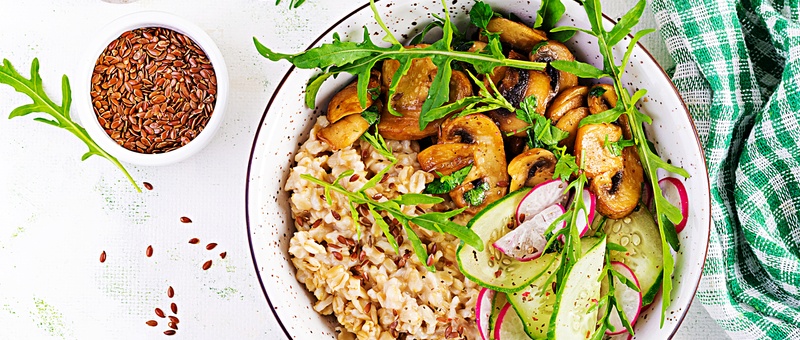
Flax seeds - also known as linseeds - are small, oval-shaped oil seeds that vary in colour, from a rich reddish-brown to a golden yellow. They can be eaten whole, ground, or consumed as flaxseed oil. Highly regarded for their nutritional value, these seeds are frequently recommended by health professionals for their wide array of health benefits.
Semi di lino: un'arma segreta per la salute delle donne?
Are flax seeds good for you?
Packed with essential nutrients, flax seeds may offer positive health effects when incorporated into your daily diet.
Dr Helen Messier, Chief Medical and Science Officer at Fountain Life in San Jose, California, USA says that flax seeds are a rich source of beneficial compounds.
Questi includono:
Alpha-linolenic (ALA) - a plant-based omega-3.
Lignans - a type of plant-based compound (phytoestrogens), that share a similar chemical structure to oestrogen.
Fibre - soluble and insoluble.
Dr Brittany Busse, Co-founder, President, and Chief Medical Officer of ViTelHealth, Sacramento, California, USA adds that flax seeds also contain micronutrients such as magnesium and B-vitamins.
Hormonal benefits of flax seeds for women
For menstruating women, the nutrients found in flax seeds may help support hormonal balance by influencing your oestrogen levels.
Busse explains that because lignans resemble oestrogen, they may help regulate your hormone levels.
"When oestrogen is too low it can stimulate your body to produce more," she says. "But when it's too high it can actually block the excess oestrogen from having a negative effect."
She adds that some evidence suggests flax seeds may:
Support fertility and healthy ovulation for women struggling to conceive.
Decrease symptoms of oestrogen depletion - such as hot flashes, night sweats and vaginal dryness.
Dr Bill Kapp, Chief Executive Officer, Fountain Life, Naples, Florida, USA agrees that the nutrients in flax seeds can be especially beneficial for women during the midlife transition, supporting digestive health, both heart and gut function, and helping to reduce inflammation.
When it comes to whether flax seeds help with hormonal balance, he points out that the evidence isn't strong enough to confirm they have a major effect.
Lui dice: "Lignans have weak oestrogen-like activity, and some researchers speculate that it may ease menopausal symptoms, but results are mixed."
Flax seeds for heart health, digestion and weight
Flax seeds are packed with nutrients that support various aspects of health - not just hormonal balance.
Messier explains that the fibre in flax seeds may help:
Reduce cholesterol.
Promote regular bowel movements.
Support anti-inflammatory processes.
Boost heart health.
"From a weight management perspective, flax promotes satiety and slows digestion," she says. "This helps reduce cravings and support insulin sensitivity. Emerging research suggests flax seeds may also support cognitive aging and skin health due to their antioxidant content."
Busse adds that omega-3 balance is an important factor in lowering your chance of developing heart disease - which increases significantly in post-menopausal women due to decreased oestrogen levels.
Lei dice: "The ALA in flax seeds has been shown to reduce plaque build-up (atherosclerotic disease), responsible for stroke and heart attacks, as well as lower inflammation in blood vessels and blood pressure."
Flax seeds for blood sugar control
Flax seeds are rich in soluble fibre, healthy fats, and protein - nutrients which may help to balance your blood sugar levels.
Trista Best, Registered Dietitian, The Candida Diet, Georgia, USA, explains that these components work together to support blood sugar regulation.
They do so in the following ways:
Fibre solubili - slows digestion for a more gradual release of sugar (glucose) into your bloodstream, helping to prevent spikes in blood sugar levels after meals.
Grassi sani - such as omega-3 fatty acids - promote insulin sensitvity, allowing cells to effectively use glucose for energy.
Proteine - contributes to stable blood sugar levels by providing a steady source of energy.
"By incorporating flax seeds into your diet, you may experience improved glycaemic control, making it particularly beneficial if you have diabetes or insulin resistance," she says. "However, it's important to consult with a healthcare professional for personalised advice regarding blood sugar management."
Recommended flax seed intake
If you're thinking of adding flax seeds to your diet, it's important to follow the recommended daily intake guidelines.
Though they may be good for your health as part of a balanced diet, you should not consume more than 1-2 tablespoons a day.
Busse says ground flax is best for absorption, as whole flax often passes through your system undigested, offering little nutritional benefit.
Messier advises drinking plenty of water to help the fibre in flax seeds work most effectively.
Are flax seeds safe for everyone?
Flax seeds are generally considered safe and well-tolerated by the majority of people.
Kapp warns, however, that women with hormone-sensitive conditions or people on certain medicines should check with their doctor before making big changes to their diets.
Messier says that anyone taking blood thinners should be cautious, as flax seeds may have a mild blood-thinning effect that could interfere with medication.
She adds: "It may also interfere with absorption of certain medicines if taken at the same time."
Busse concludes by advising you to avoid eating too much fibre too fast.
"Many of our bodies aren't adapted to high levels of fibre," she explains. "This may cause gastrointestinal (GI) discomfort - such as bloating, gas or diarrhoea."
Scelte del paziente per Nutrizione
Dieta e nutrizione
10 sorprendenti benefici per la salute del cavolo
Il cavolo potrebbe non sembrare un superfood, ma dal punto di vista nutrizionale, supera di gran lunga le aspettative. Spesso trascurato a favore di verdure più alla moda, questo umile crucifero ha alimentato diete sane per secoli.
di Heather Ainsworth

Dieta e nutrizione
10 nutrienti essenziali che potresti non avere
According to a study published by the Health and Food Supplement Information Service (HSIS), UK diets have become less healthy in the past 30 years. We chatted with health experts about 10 important nutrients you might be missing in your diet.
di Victoria Raw
Informazioni sull'autoreVisualizza il profilo completo

Victoria Raw
Scrittore di Articoli
Laurea in Lettere (Hons), Letteratura Inglese
Victoria è una scrittrice di contenuti per Patient i cui interessi speciali si concentrano sul benessere mentale, le tendenze sociali e l'impatto della tecnologia sulla nostra salute.
Informazioni sul recensoreVisualizza il profilo completo

Dr Colin Tidy, MRCGP
Medico di base, Autore medico
MBBS, MRCGP, MRCP (Paediatrics), DCH
Il Dr Colin Tidy è un medico del NHS, con sede nell'Oxfordshire.
Storia dell'articolo
Le informazioni su questa pagina sono revisionate da clinici qualificati.
Articolo disponibile anche in Inglese, Tedesco, Spagnolo, Francese, Italiano, Portoghese, Hindi, Ebraico, Arabo, and Svedese.
Prossima revisione prevista: 14 maggio 2028
13 Maggio 2025 | Pubblicato originariamente
Autore:
Victoria RawRevisione paritaria di
Dr Colin Tidy, MRCGP

Chiedi, condividi, connettiti.
Esplora le discussioni, fai domande e condividi esperienze su centinaia di argomenti di salute.

Non ti senti bene?
Valuta i tuoi sintomi online gratuitamente
Iscriviti alla newsletter di Patient
La tua dose settimanale di consigli sulla salute chiari e affidabili - scritti per aiutarti a sentirti informato, sicuro e in controllo.
Abbonandoti accetti i nostri Informativa sulla Privacy. Puoi annullare l'iscrizione in qualsiasi momento. Non vendiamo mai i tuoi dati.
Di più su dieta e nutrizione
- 10 nutrienti essenziali che potresti non avere
- 10 fonti di proteine vegetali per la salute delle ossa
- 7 ricette autunnali vivaci - mantienilo stagionale
- 9 benefici per la salute dei semi di chia
- Esistono davvero i 'superfood'?
- Tutto quello che devi sapere sul digiuno di tre giorni con le sardine
- Nutri le tue buone batteri con integratori di probiotici e prebiotici
- Alimenti per rafforzare il tuo sistema immunitario questo inverno
- AggiornatoCome la dieta influisce sul tuo cuore
- Come apportare piccoli cambiamenti salutari alla tua dieta senza fare una dieta
- Come smettere di abbuffarsi
- Come prepari il tuo cibo è importante
- Come il tuo intestino influisce sulla tua salute generale
- Video su nutrizione e dieta
- I migliori alimenti per la salute intestinale - e perché ne hai bisogno
- Quali sono i vantaggi di una dieta a base di piante?
- Quali sono i benefici della vitamina A?
- Quali alimenti possono ridurre il tuo stress e ansia?
- Perché abbiamo sintomi di astinenza da zucchero?
- Perché la fibra è tua amica