Why are some genetic conditions more common in particular ethnic groups?
Rispetta le linee guida editoriali
- ScaricaScarica
- Condividi
- Language
- Discussione
- Ask Patient
- Versione audio
- Aggiungi alle fonti preferite su Google
Some genetic disorders are more likely to occur among people who trace their ancestry to a particular geographic area. People in an ethnic group often share certain versions of their genes, which have been passed down from common ancestors. If one of these shared genes contains a disease-causing variant (also known as a mutation), a particular genetic disorder may be more frequently seen in the group.
Scelte video per Understanding geneticsVideo library
Panoramica
Some genetic disorders are more likely to occur among people who trace their ancestry to a particular geographic area. People in an ethnic group often share certain versions of their genes, which have been passed down from common ancestors. If one of these shared genes contains a disease-causing variant (also known as a mutation), a particular genetic disorder may be more frequently seen in the group.
Examples of genetic conditions that are more common in particular ethnic groups are anemia falciforme, which is more common in people of African, African American, or Mediterranean heritage; and Malattia di Tay-Sachs, which is more likely to occur among people of Ashkenazi (eastern and central European) Jewish or French Canadian ancestry. It is important to note, however, that these disorders can occur in any ethnic group.
Related patient information and medicines

Patient information leaflet
Albinismo
Albinism is a rare inherited (genetic) condition which reduces the amount of of melanin pigment in the skin, hair and/or eyes. Approximately 1 in 17,000 people in Europe and the USA have one of the... Albinism can affect all races and also affects other species, such as mice. They look different from their families, friends and other members of.

Patient information leaflet
Malattia di Huntington
Huntington's disease is a genetically inherited condition that causes parts of the brain and nervous system to stop working properly over time. Huntington's disease is a genetically inherited condition that gradually damages brain function. Huntington's disease affects between 11 - 14 people per 100,000 in the UK, the rest of Europe and North.

Patient information leaflet
Iperplasia surrenalica congenita
Congenital adrenal hyperplasia is an inherited (genetic) condition causing swelling of the adrenal glands. Congenital adrenal hyperplasia (CAH) is a condition affecting the level of cortisol, a hormone produced by the adrenal gland. It affects about 1 in 1,000 white people. It is more common in certain ethnic groups such as Ashkenazi Jewish people.
Patient information leaflet
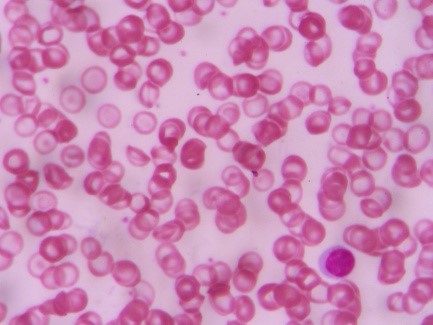
Anemia falciforme
Sickle cell disease (SCD) is a serious, inherited condition affecting the blood and various organs in the body. Sickle cell disease Sickle cell disease (SCD) is a serious group of conditions which are inherited (genetic). In the UK, about 12,500 people have SCD. It is more common in people whose family origins are African, African-Caribbean or.
Patient information leaflet
Tratto falciforme
If you inherit a gene from one of your parents, called a sickle cell gene, you have a condition called sickle cell trait. If you inherit a sickle cell gene from both parents, you get a double dose of the sickle cel... ServiceUpsellPlaceholder Who gets sickle cell trait. Anyone can have sickle cell trait but it is most common in people whose family.

Patient information leaflet
Sindrome di Marfan
Marfan syndrome (named after Dr Antoine Marfan, the French doctor who first described it in 1896) is a genetic disorder which people are born with and which lasts lifelong. Marfan syndrome can affect the connective tissue in different parts of your body, including your heart, blood vessels, eyes and skeleton. Marfan syndrome is rare and is thought.
Ulteriori letture e riferimenti
- Why are some genetic conditions more common in particular ethnic groups?; MedlinePlus, National Library of Medicine.
Condividi i tuoi pensieri o esperienze con gli altri nel nostro comunità di pazienti.
Accesso semplice a trattamenti affidabili e servizi sanitari online.
Common conditions
Get help with common conditions through the NHS, without a GP appointment.
 Sinusite acuta
 Tonsillite batterica
 Impetigine
 Punture di insetti
 Fuoco di Sant'AntonioInfezioni delle vie urinarie (IVU)
Iscriviti alla newsletter di Patient
La tua dose settimanale di consigli sulla salute chiari e affidabili - scritti per aiutarti a sentirti informato, sicuro e in controllo.
Abbonandoti accetti i nostri Informativa sulla Privacy. Puoi annullare l'iscrizione in qualsiasi momento. Non vendiamo mai i tuoi dati.