pyrroline-5-carboxylate reductase 1
Ultimo aggiornamento 5 Aug 2021
Rispetta le linee guida editoriali
- ScaricaScarica
- Condividi
- Language
- Discussione
- Versione audio
- Aggiungi alle fonti preferite su Google
The PYCR1 gene provides instructions for making a protein that is located in the energy-producing structures of cells, called mitochondria. The PYCR1 protein appears to be important for the function of mitochondria and it helps in the formation (synthesis) of the protein building block (amino acid) proline.
Normal function
The PYCR1 gene provides instructions for making a protein that is located in the energy-producing structures of cells, called mitochondria. The PYCR1 protein appears to be important for the function of mitochondria and it helps in the formation (synthesis) of the protein building block (amino acid) proline.
The formation of proline is a multi-step process that converts the amino acid glutamate to the amino acid proline. The PYCR1 protein carries out the last step in this process by turning pyrroline-5-carboxylate into proline. The conversion between proline and glutamate is important in maintaining a supply of the amino acids needed for protein production, and for energy transfer within the cell.
Conditions referring to this gene or chromosome
Altri nomi
P5C
Related patient information and medicines

Patient information leaflet
Malattia renale policistica
Polycystic kidney disease (PKD) causes many fluid-filled sacs (cysts) to develop in the kidneys. The most common type of PKD is an inherited condition called autosomal dominant polycystic kidney disease (ADPKD). With ADPKD, problems commonly do not develop until the age of 30-50, with some people never developing any problems. About half of ADPKD.

Patient information leaflet
Pancreatite acuta
Anyone with suspected acute pancreatitis will be admitted to hospital for tests to rule out other problems (as many conditions can cause similar symptoms) and to confirm the diagnosis. Sangue tests can check the blood level of amylase and/or lipase (these sono digestive enzymes made by dello pancreas). Although not 100% reliable, a high blood level of.

Patient information leaflet
Geni BRCA
There are a few known gene changes (mutations) that can increase the risk of certain cancers, and tests available for some of them, including BRCA1 e BRCA2 gene mutations. The BRCA1 and BRCA2 genes normally protect against certain cancers, particularly breast cancer and ovarian cancer. If there is a mutation in one of these genes then this may.

Patient information leaflet
Malattia di Kawasaki
Malattia di Kawasaki è a rare condition that affects small to medium-sized blood vessels in the body. Kawasaki disease causes the the walls of the blood vessels to become inflamed and swollen (vasculitis). Kawasaki disease mainly affects children less than 5 years old. The exact cause of Kawasaki disease remains unknown. Kawasaki disease causes a.
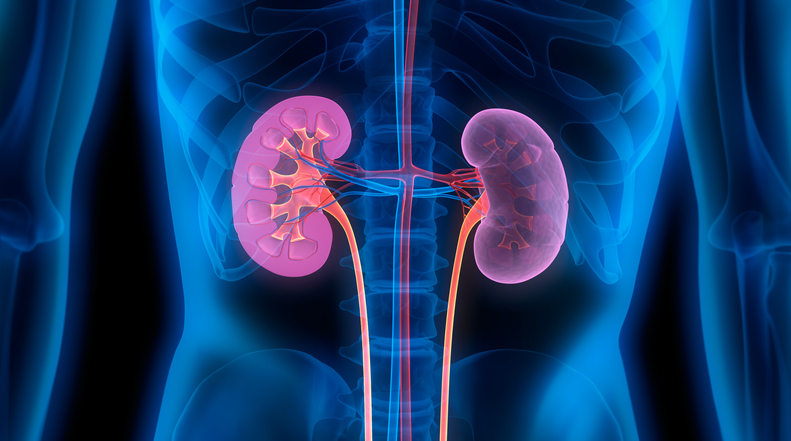
Patient information leaflet
Malattia renale cronica
Chronic kidney disease (CKD) means that the kidneys are not working as well as they used to, either due to being diseased or damaged in some way, or due to ageing. A range of conditions can cause chronic kidney disease (see later). Chronic means ongoing, persistent and long-term. Chronic kidney disease used to be called chronic renal failure but.

Patient information leaflet
Prostata ingrossata
This l'ingrossamento della prostata is also called ipertrofia prostatica benigna (or hyperplasia). There are two groups of medicines that may help: Alpha-blockers. Inibitori della 5-alfa reduttasi. This can improve the flow of urine. Inibitore della 5-alfa reduttasi medicines. These work by blocking the conversion of the hormone ... They do this by blocking a.
Ulteriori letture e riferimenti
- pyrroline-5-carboxylate reductase 1; MedlinePlus, National Library of Medicine.
- Dimopoulou A, Fischer B, Gardeitchik T, Schroter P, Kayserili H, Schlack C, Li Y, Brum JM, Barisic I, Castori M, Spaich C, Fletcher E, Mahayri Z, Bhat M, Girisha KM, Lachlan K, Johnson D, Phadke S, Gupta N, Simandlova M, Kabra M, David A, Nijtmans L, Chitayat D, Tuysuz B, Brancati F, Mundlos S, Van Maldergem L, Morava E, Wollnik B, Kornak U. Genotype-phenotype spectrum of PYCR1-related autosomal recessive cutis laxa. Mol Genet Metab. 2013 Nov;110(3):352-61. doi: 10.1016/j.ymgme.2013.08.009. Epub 2013 Aug 24.
- Guernsey DL, Jiang H, Evans SC, Ferguson M, Matsuoka M, Nightingale M, Rideout AL, Provost S, Bedard K, Orr A, Dube MP, Ludman M, Samuels ME. Mutation in pyrroline-5-carboxylate reductase 1 gene in families with cutis laxa type 2. Am J Hum Genet. 2009 Jul;85(1):120-9. doi: 10.1016/j.ajhg.2009.06.008. Epub 2009 Jul 2.
- Reversade B, Escande-Beillard N, Dimopoulou A, Fischer B, Chng SC, Li Y, Shboul M, Tham PY, Kayserili H, Al-Gazali L, Shahwan M, Brancati F, Lee H, O'Connor BD, Schmidt-von Kegler M, Merriman B, Nelson SF, Masri A, Alkazaleh F, Guerra D, Ferrari P, Nanda A, Rajab A, Markie D, Gray M, Nelson J, Grix A, Sommer A, Savarirayan R, Janecke AR, Steichen E, Sillence D, Hausser I, Budde B, Nurnberg G, Nurnberg P, Seemann P, Kunkel D, Zambruno G, Dallapiccola B, Schuelke M, Robertson S, Hamamy H, Wollnik B, Van Maldergem L, Mundlos S, Kornak U. Mutations in PYCR1 cause cutis laxa with progeroid features. Nat Genet. 2009 Sep;41(9):1016-21. doi: 10.1038/ng.413. Epub 2009 Aug 2.
Partecipa alla conversazione
Condividi i tuoi pensieri o esperienze con gli altri nel nostro comunità di pazienti.

Chiedi, condividi, connettiti.
Esplora le discussioni, fai domande e condividi esperienze su centinaia di argomenti di salute.
Iscriviti alla newsletter di Patient
La tua dose settimanale di consigli sulla salute chiari e affidabili - scritti per aiutarti a sentirti informato, sicuro e in controllo.
Abbonandoti accetti i nostri Informativa sulla Privacy. Puoi annullare l'iscrizione in qualsiasi momento. Non vendiamo mai i tuoi dati.