LDL receptor related protein 2
Ultimo aggiornamento 12 Apr 2023
Rispetta le linee guida editoriali
- ScaricaScarica
- Condividi
- Language
- Discussione
- Versione audio
- Aggiungi alle fonti preferite su Google
L LRP2 gene provides instructions for making a protein called megalin, which functions as a receptor. Receptor proteins have specific sites into which certain other proteins, called ligands, fit like keys into locks. Together, ligands and their receptors trigger signals that affect cell development and function. Megalin has many ligands involved in various body processes, including the absorption of vitamins A and D, immune functioning, stress response, and the transport of fats in the bloodstream.
Normal function
L LRP2 gene provides instructions for making a protein called megalin, which functions as a receptor. Receptor proteins have specific sites into which certain other proteins, called ligands, fit like keys into locks. Together, ligands and their receptors trigger signals that affect cell development and function. Megalin has many ligands involved in various body processes, including the absorption of vitamins A and D, immune functioning, stress response, and the transport of fats in the bloodstream.
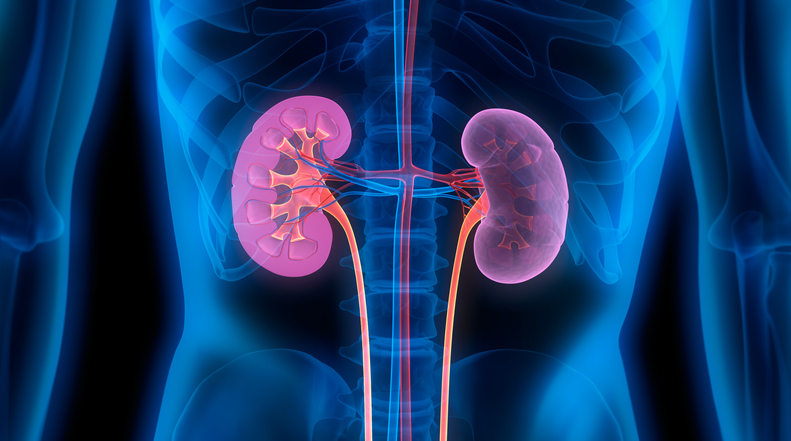
Megalin is embedded in the membrane of cells that line the surfaces and cavities of the body (epithelial cells). The receptor helps move its ligands from the cell surface into the cell (endocytosis), and is also involved in transporting the ligands of a related receptor called cubulin. Megalin is active in the development and function of many parts of the body, including the brain and spinal cord (central nervous system), eyes, ears, lungs, intestine, reproductive system, and the small tubes in the kidneys where urine is formed (renal tubules).
Conditions referring to this gene or chromosome
Altri nomi
calcium sensor protein
DBS
glycoprotein 330 (gp330)
gp330
Heymann nephritis antigen homolog
low density lipoprotein receptor-related protein 2
LRP2_HUMAN
megalin
Related patient information and medicines

Patient information leaflet
Ipercolesterolemia familiare
Familial ... There are three main genes that can be involved in FH: LDL receptor genes: this is the most common faulty gene in FH. It means there aren't enough LDL receptors, so cholesterol builds up in the blood. APOB gene (apolipoprotein B): a fault with this gene means Colesterolo LDL can’t bind well to LDL receptors so that blood levels of LDL.
Patient information leaflet
Malattia renale cronica
This is because they can prevent further worsening of the kidney function. These medicines are called: Angiotensin-converting enzyme (ACE) inhibitors (for example, captopril, enalapril, ramipril, lisinopril); and Angiotensin receptor blockers (ARBs), such as losartan, valsartan, candesartan, telmisartan). SGLT2 inhibitors. A group of medicines.

Patient information leaflet
Colesterolo alto
Colesterolo is a fat chemical (lipid) that is made in the cells in your body. Many different cells make cholesterol but cells in the liver make about a quarter of the total. When low-density lipoproteins (LDL choles... Higher levels of Colesterolo LDL in your blood cause an increased risk of lipoprotein disorders and cardiovascular disease (heart.

Patient information leaflet
Sindrome nefrosica
Nephrotic syndrome is a condition where the 'filters' in the kidney become 'leaky' and large amounts of proteine leak from the blood into the urine. The main symptom is fluid retention (oedema) which is mainly due to the low protein level in the blood. Various diseases can cause nephrotic syndrome, some more serious than others. Treatment and.

Patient information leaflet
Posso prendere Evolocumab ed Ezetimibe insieme?
Taking evolocumab and ezetimibe together is a common and safe combination. Both medicinali work to lower your 'bad' cholesterol (LDL), and using them together helps lower it more effectively than using either one alone. There is no evidence that they interfere with each other in a harmful way. Our Controllo Interazioni Farmaci helps you check.

Patient information leaflet
Malattia renale diabetica
Diabetic kidney disease is one of the causes of chronic kidney disease , a long-term condition where the kidneys do not work as well as they should. In diabetic kidney disease, the filters of the kidneys, the glomeruli, become damaged. Because of this the kidneys 'leak' abnormal amounts of protein from the blood into the urine. The main protein.
Ulteriori letture e riferimenti
- LDL receptor related protein 2; MedlinePlus, National Library of Medicine.
- Christensen EI, Birn H. Megalin and cubilin: multifunctional endocytic receptors. Nat Rev Mol Cell Biol. 2002 Apr;3(4):256-66. doi: 10.1038/nrm778.
- Christensen EI, Nielsen R. Role of megalin and cubilin in renal physiology and pathophysiology. Rev Physiol Biochem Pharmacol. 2007;158:1-22. doi: 10.1007/112_0604.
- Fisher CE, Howie SE. The role of megalin (LRP-2/Gp330) during development. Dev Biol. 2006 Aug 15;296(2):279-97. doi: 10.1016/j.ydbio.2006.06.007. Epub 2006 Jun 8.
- Holt SK, Karyadi DM, Kwon EM, Stanford JL, Nelson PS, Ostrander EA. Association of megalin genetic polymorphisms with prostate cancer risk and prognosis. Clin Cancer Res. 2008 Jun 15;14(12):3823-31. doi: 10.1158/1078-0432.CCR-07-4566.
- Kantarci S, Al-Gazali L, Hill RS, Donnai D, Black GC, Bieth E, Chassaing N, Lacombe D, Devriendt K, Teebi A, Loscertales M, Robson C, Liu T, MacLaughlin DT, Noonan KM, Russell MK, Walsh CA, Donahoe PK, Pober BR. Mutations in LRP2, which encodes the multiligand receptor megalin, cause Donnai-Barrow and facio-oculo-acoustico-renal syndromes. Nat Genet. 2007 Aug;39(8):957-9. doi: 10.1038/ng2063. Epub 2007 Jul 15.
- Kantarci S, Ragge NK, Thomas NS, Robinson DO, Noonan KM, Russell MK, Donnai D, Raymond FL, Walsh CA, Donahoe PK, Pober BR. Donnai-Barrow syndrome (DBS/FOAR) in a child with a homozygous LRP2 mutation due to complete chromosome 2 paternal isodisomy. Am J Med Genet A. 2008 Jul 15;146A(14):1842-7. doi: 10.1002/ajmg.a.32381.
- Mii A, Nakajima T, Fujita Y, Iino Y, Kamimura K, Bujo H, Saito Y, Emi M, Katayama Y. Genetic association of low-density lipoprotein receptor-related protein 2 (LRP2) with plasma lipid levels. J Atheroscler Thromb. 2007 Dec;14(6):310-6. doi: 10.5551/jat.e494. Epub 2007 Dec 17.
Partecipa alla conversazione
Condividi i tuoi pensieri o esperienze con gli altri nel nostro comunità di pazienti.

Chiedi, condividi, connettiti.
Esplora le discussioni, fai domande e condividi esperienze su centinaia di argomenti di salute.
Iscriviti alla newsletter di Patient
La tua dose settimanale di consigli sulla salute chiari e affidabili - scritti per aiutarti a sentirti informato, sicuro e in controllo.
Abbonandoti accetti i nostri Informativa sulla Privacy. Puoi annullare l'iscrizione in qualsiasi momento. Non vendiamo mai i tuoi dati.