general transcription factor IIH subunit 5
Ultimo aggiornamento 6 Apr 2023
Rispetta le linee guida editoriali
- ScaricaScarica
- Condividi
- Language
- Discussione
- Ask Patient
- Versione audio
- Aggiungi alle fonti preferite su Google
The GTF2H5 gene provides instructions for making a protein called p8 or TTDA. This protein is one part (subunit) of a group of related proteins known as the general transcription factor 2 H (TFIIH) complex. The TFIIH complex has two major functions: it is involved in the process of gene transcription, which is the first step in protein production, and it helps repair damaged DNA.
Scelte video per GenesVideo library
Normal function
The GTF2H5 gene provides instructions for making a protein called p8 or TTDA. This protein is one part (subunit) of a group of related proteins known as the general transcription factor 2 H (TFIIH) complex. The TFIIH complex has two major functions: it is involved in the process of gene transcription, which is the first step in protein production, and it helps repair damaged DNA.
DNA can be damaged by ultraviolet (UV) rays from the sun and by toxic chemicals, such as those found in cigarette smoke. DNA damage occurs frequently, but normal cells are usually able to fix it before it can cause problems.
One of the major mechanisms that cells use to fix DNA is known as nucleotide excision repair (NER). As part of this repair mechanism, the TFIIH complex opens up the section of double-stranded DNA that surrounds the damage. The TTDA protein helps with this process by stabilizing the TFIIH complex and maintaining its structure. Once the damaged region has been exposed, other proteins snip out (excise) the abnormal section and replace the damaged area with the correct DNA.
Conditions referring to this gene or chromosome
Altri nomi
bA120J8.2
C6orf175
FLJ30544
general transcription factor IIH, polypeptide 5
TF2H5_HUMAN
TFB5
TFB5 ortholog
TFIIH basal transcription factor complex TTD-A subunit
TFIIH basal transcription factor complex TTDA subunit
TGF2H5
Related patient information and medicines
Patient information leaflet
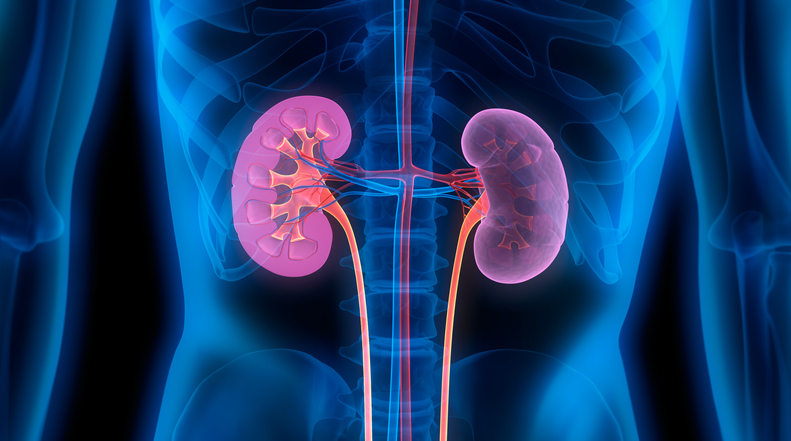
Malattia renale cronica
With more severe chronic kidney disease, symptoms. A poor appetite. Weight loss. Dry, itchy skin. Muscle cramps. Fluid retention Oedema which causes swollen feet and ankles. Puffiness around the eyes. A need to pass urine more often than usual. Being pale due to anaemia. Feeling sick. If the kidney function declines to stage 4 or 5 then various.
Patient information leaflet
Malattie cardiovascolari
Cardiovascular diseases (CVD) is a general term per describe diseases of the heart or blood vessels. The cause of most cardiovascular disease is a build-up of atheroma - a fatty deposit within the inside lining of arteries. The blood flow to the heart muscle may also be restricted by a blood clot in an artery taking blood to the heart muscle.

Patient information leaflet
Antistaminici
Antihistamines are a group of medicines which act to block the effects of the chemical called histamine in the body. Either H1 or H2 histamine receptors can be blocked by medicines, but the group commonly known as antihistamines blocks the H1 receptor. They have a number of uses, but are most often used to treat allergies. What are antihistamines..

Patient information leaflet
Emodialisi
The kidneys have a very important function in the body. Healthy kidneys balance fluid and chemicals in the body, and remove harmful waste products. The kidneys also make hormones that help to control blood pressure, make red blood cells, and keep bones strong and healthy. Dialysis can be used to remove waste products and excess fluid from the.

Patient information leaflet
Sostituzione dell'anca
Surgery to replace a worn-out hip joint is very common. The usual reason that someone has a hip replacement is because they have very painful arthritis in their hip. It is also sometimes done to treat a broken hip (hip fracture), depending on where the hip has broken. How do I know if I need a hip replacement. The main reasons for having a hip.

Patient information leaflet
Fatti e fattori di rischio del cancro al seno
What are the risk factors for breast cancer. Dr Sarah Jarvis MBE Although cancro al seno can develop for no apparent reason, there are certain risk factors which increase the chance that breast cancer will develop. /health/breast-cancer-leaflet Most cases of breast cancer occur by chance. However, breast cancer does occur more.
Ulteriori letture e riferimenti
- general transcription factor IIH subunit 5; MedlinePlus, National Library of Medicine.
- Coin F, Proietti De Santis L, Nardo T, Zlobinskaya O, Stefanini M, Egly JM. p8/TTD-A as a repair-specific TFIIH subunit. Mol Cell. 2006 Jan 20;21(2):215-26. doi: 10.1016/j.molcel.2005.10.024.
- Faghri S, Tamura D, Kraemer KH, Digiovanna JJ. Trichothiodystrophy: a systematic review of 112 published cases characterises a wide spectrum of clinical manifestations. J Med Genet. 2008 Oct;45(10):609-21. doi: 10.1136/jmg.2008.058743. Epub 2008 Jun 25.
- Giglia-Mari G, Coin F, Ranish JA, Hoogstraten D, Theil A, Wijgers N, Jaspers NG, Raams A, Argentini M, van der Spek PJ, Botta E, Stefanini M, Egly JM, Aebersold R, Hoeijmakers JH, Vermeulen W. A new, tenth subunit of TFIIH is responsible for the DNA repair syndrome trichothiodystrophy group A. Nat Genet. 2004 Jul;36(7):714-9. doi: 10.1038/ng1387. Epub 2004 Jun 27.
- Giglia-Mari G, Miquel C, Theil AF, Mari PO, Hoogstraten D, Ng JM, Dinant C, Hoeijmakers JH, Vermeulen W. Dynamic interaction of TTDA with TFIIH is stabilized by nucleotide excision repair in living cells. PLoS Biol. 2006 Jun;4(6):e156. doi: 10.1371/journal.pbio.0040156. Epub 2006 May 9.
- Hashimoto S, Egly JM. Trichothiodystrophy view from the molecular basis of DNA repair/transcription factor TFIIH. Hum Mol Genet. 2009 Oct 15;18(R2):R224-30. doi: 10.1093/hmg/ddp390.
- Kraemer KH, Patronas NJ, Schiffmann R, Brooks BP, Tamura D, DiGiovanna JJ. Xeroderma pigmentosum, trichothiodystrophy and Cockayne syndrome: a complex genotype-phenotype relationship. Neuroscience. 2007 Apr 14;145(4):1388-96. doi: 10.1016/j.neuroscience.2006.12.020. Epub 2007 Feb 1.
- Ranish JA, Hahn S, Lu Y, Yi EC, Li XJ, Eng J, Aebersold R. Identification of TFB5, a new component of general transcription and DNA repair factor IIH. Nat Genet. 2004 Jul;36(7):707-13. doi: 10.1038/ng1385. Epub 2004 Jun 27.
- Vermeulen W, Bergmann E, Auriol J, Rademakers S, Frit P, Appeldoorn E, Hoeijmakers JH, Egly JM. Sublimiting concentration of TFIIH transcription/DNA repair factor causes TTD-A trichothiodystrophy disorder. Nat Genet. 2000 Nov;26(3):307-13. doi: 10.1038/81603.
Condividi i tuoi pensieri o esperienze con gli altri nel nostro comunità di pazienti.
Accesso semplice a trattamenti affidabili e servizi sanitari online.
Common conditions
Get help with common conditions through the NHS, without a GP appointment.
 Sinusite acuta
 Tonsillite batterica
 Impetigine
 Punture di insetti
 Fuoco di Sant'AntonioInfezioni delle vie urinarie (IVU)
Iscriviti alla newsletter di Patient
La tua dose settimanale di consigli sulla salute chiari e affidabili - scritti per aiutarti a sentirti informato, sicuro e in controllo.
Abbonandoti accetti i nostri Informativa sulla Privacy. Puoi annullare l'iscrizione in qualsiasi momento. Non vendiamo mai i tuoi dati.