SLC35A2-congenital disorder of glycosylation
Ultimo aggiornamento 26 Nov 2021
Rispetta le linee guida editoriali
- ScaricaScarica
- Condividi
- Language
- Discussione
- Ask Patient
- Versione audio
- Aggiungi alle fonti preferite su Google
SLC35A2-congenital disorder of glycosylation (SLC35A2-CDG, formerly known as congenital disorder of glycosylation type IIm) is an inherited condition that causes neurological problems and other abnormalities. This disorder's signs and symptoms and their severity vary among affected individuals.
Scelte video per Condizioni geneticheVideo library
Descrizione
SLC35A2-congenital disorder of glycosylation (SLC35A2-CDG, formerly known as congenital disorder of glycosylation type IIm) is an inherited condition that causes neurological problems and other abnormalities. This disorder's signs and symptoms and their severity vary among affected individuals.
Individuals with SLC35A2-CDG typically develop signs and symptoms of the condition early in infancy. Seizures develop within the first months of life, usually involving uncontrollable muscle stiffening (infantile spasms) that can switch to shorter episodes of muscle jerks (epileptic spasms) later in childhood. In some individuals, the seizures do not improve with anti-epileptic medications. Individuals with SLC35A2-CDG often have abnormal brain function (encephalopathy), unusual facial features, skeletal abnormalities, and weak muscle tone (hypotonia) with poor head control. They also have severe intellectual disability and delayed development, often only being able to sit or crawl and never developing meaningful speech. Affected children may have feeding difficulties and fail to grow or gain weight at the expected rate. Some have vision or hearing problems.
In SLC35A2-CDG, medical imaging shows loss of tissue (atrophy) in parts of the brain called the cerebrum and cerebellum. These brain regions are necessary for thinking ability, hearing, vision, emotion, and coordinated movement. There can also be thinning of the tissue that connects the left and right halves of the brain (the corpus callosum) or a fluid-filled sac (cyst) on the membrane that surrounds the brain (arachnoid pouch).
Modelli di ereditarietà
The source lists the following possible inheritance patterns: X-linked dominant. More than one pattern can apply in different cases.
Related genes
Altri nomi
CDG IIm
CDG syndrome type IIm
CDG-IIm
CDG2M
CDGIIm
Congenital disorder of glycosylation, type IIm
EIEE22
Epileptic encephalopathy, early infantile, 22
SLC35A2-CDG
Related patient information and medicines
Patient information leaflet
Disordini di accumulo di glicogeno
Disordini di accumulo di glicogeno sono a group of inherited diseases. They result from a problem with one of the proteins (known as enzymes) involved in the conversion of glucose to glycogen, or the breakdown of glycogen back into glucose. Glycogen storage disorders are a group of inherited diseases that result from a lack of, or abnormal functioning of,.
Patient information leaflet
Disturbi della ghiandola pituitaria
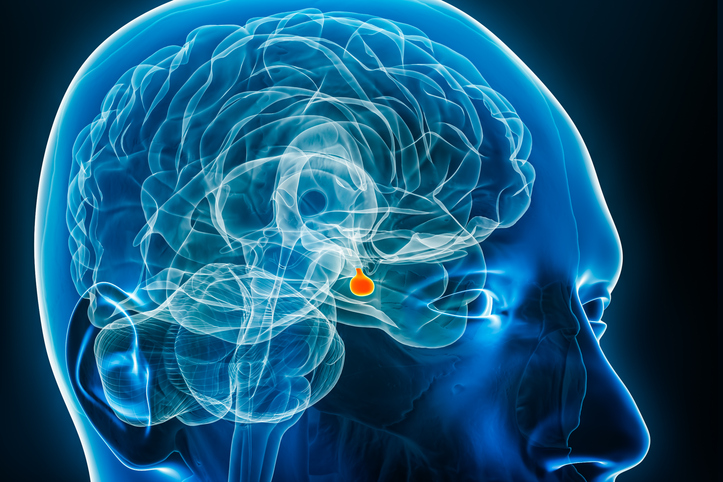
This leaflet gives a brief overview of the problema della ghiandola pituitaria and the hormones it makes. The pituitary gland is found at the base of the brain and is 'pea-sized'. The pituitary gland is an overall controller of a number of other glands in the body, overseeing the function of these organs through hormones. Some of the pituitary gland disorders.
Patient information leaflet
Cardiopatia congenita
Cardiopatia congenita is a condition where an abnormality (defect) develops in the heart before birth. There are a number of types of congenital heart defect. What is congenital heart disease. Abnormalities or defects of the heart which develop before birth are together (collectively) called congenital heart disease. Some of these are listed in.
Patient information leaflet
Sindrome nefrosica
Sindrome nefrosica is a condition where the 'filters' in the kidney become 'leaky' and large amounts of protein leak from the blood into the urine. A syndrome is a set of symptoms and signs that tend to occur together and which can be caused by one or more different diseases. FSGS accounts for up to 1 in 10 cases of nephrotic syndrome in children.
Patient information leaflet
Iperplasia surrenalica congenita
Iperplasia surrenalica congenita is an inherited (genetic) condition causing gonfiore of the adrenal glands. The condition is associated with a decrease in the blood level of a hormone called cortisol and an increase in the level of male sex hormones (androgens) in both sexes. What is congenital adrenal hyperplasia. Congenital adrenal hyperplasia.
Patient information leaflet
Porfiria
L porphyrias are a group of disorders in which there is a problem with the production of haem (also spelled heme) within the body. There are seven different types of porphyria and in most cases they run in families (are inherited). It is important that the type of porphyria that you have should be identified. Symptoms vary greatly and can.
Ulteriori letture e riferimenti
- SLC35A2-congenital disorder of glycosylation; MedlinePlus, National Library of Medicine.
- Dorre K, Olczak M, Wada Y, Sosicka P, Gruneberg M, Reunert J, Kurlemann G, Fiedler B, Biskup S, Hortnagel K, Rust S, Marquardt T. A new case of UDP-galactose transporter deficiency (SLC35A2-CDG): molecular basis, clinical phenotype, and therapeutic approach. J Inherit Metab Dis. 2015 Sep;38(5):931-40. doi: 10.1007/s10545-015-9828-6. Epub 2015 Mar 17.
- Kimizu T, Takahashi Y, Oboshi T, Horino A, Koike T, Yoshitomi S, Mori T, Yamaguchi T, Ikeda H, Okamoto N, Nakashima M, Saitsu H, Kato M, Matsumoto N, Imai K. A case of early onset epileptic encephalopathy with de novo mutation in SLC35A2: Clinical features and treatment for epilepsy. Brain Dev. 2017 Mar;39(3):256-260. doi: 10.1016/j.braindev.2016.09.009. Epub 2016 Oct 12.
- Kodera H, Nakamura K, Osaka H, Maegaki Y, Haginoya K, Mizumoto S, Kato M, Okamoto N, Iai M, Kondo Y, Nishiyama K, Tsurusaki Y, Nakashima M, Miyake N, Hayasaka K, Sugahara K, Yuasa I, Wada Y, Matsumoto N, Saitsu H. De novo mutations in SLC35A2 encoding a UDP-galactose transporter cause early-onset epileptic encephalopathy. Hum Mutat. 2013 Dec;34(12):1708-14. doi: 10.1002/humu.22446. Epub 2013 Oct 15.
- Ng BG, Buckingham KJ, Raymond K, Kircher M, Turner EH, He M, Smith JD, Eroshkin A, Szybowska M, Losfeld ME, Chong JX, Kozenko M, Li C, Patterson MC, Gilbert RD, Nickerson DA, Shendure J, Bamshad MJ; University of Washington Center for Mendelian Genomics; Freeze HH. Mosaicism of the UDP-galactose transporter SLC35A2 causes a congenital disorder of glycosylation. Am J Hum Genet. 2013 Apr 4;92(4):632-6. doi: 10.1016/j.ajhg.2013.03.012.
Condividi i tuoi pensieri o esperienze con gli altri nel nostro comunità di pazienti.
Accesso semplice a trattamenti affidabili e servizi sanitari online.
Common conditions
Get help with common conditions through the NHS, without a GP appointment.
 Sinusite acuta
 Tonsillite batterica
 Impetigine
 Punture di insetti
 Fuoco di Sant'AntonioInfezioni delle vie urinarie (IVU)
Iscriviti alla newsletter di Patient
La tua dose settimanale di consigli sulla salute chiari e affidabili - scritti per aiutarti a sentirti informato, sicuro e in controllo.
Abbonandoti accetti i nostri Informativa sulla Privacy. Puoi annullare l'iscrizione in qualsiasi momento. Non vendiamo mai i tuoi dati.