When will I become fertile again after coming off contraception?
Peer reviewed by Dr Krishna Vakharia, MRCGPAuthored by Lydia SmithOriginally published 22 Nov 2023
Meets Patient’s editorial guidelines
- DownloadDownload
- Share
- Language
- Discussion
- Audio Version
- Add to preferred sources on Google
If you want to have a baby, you’ve probably got a lot of questions - including how long it can take for you to become fertile again if you’ve been on the contraceptive pill or the coil. And while everyone is different, here’s what we know about fertility after coming off different kinds of contraception.
Want to access contraception online?
Start a quick NHS Pharmacy First consultation online through Patient.info.
- Online and available 24/7, treatment can often be delivered next day.
- Free service, just pay the NHS prescription charge online if required.
- Just answer a few questions then choose a time for a clinician call.
Powered by Evaro, a UK regulated healthcare service supporting over 2 million patients. Reviewed by UK registered clinicians.

Contraceptive pill
There are two different types of hormonal contraceptive pills available in the UK: The progestogen-only pill which contains only one type of hormone, and the combined pill - which contains the hormones oestrogen and progestogen.
There is no evidence suggesting a significant delay in the return of fertility after you’ve stopped taking the progestogen-only pill or the combined pill. It can take up to three months for your periods to return to their usual cycle, though. The first period after coming off the pill is known as a withdrawal bleed, but the next one is your first natural period.
In theory, you could become pregnant immediately after you come off either medication. However, there are many other factors that can affect your fertility, including your age, your health, stress and conditions such as polycystic ovary syndrome. Sometimes, it can take longer to become pregnant even without any underlying conditions.
Dr Hana Patel, a GP and Medico-Legal Expert Witness, says: “The contraceptive pills stop your body from ovulating, but as soon as you stop them this process kicks back into action.
“So, it's possible to get pregnant as soon as you come off the pill - more than 8 out of 10 couples will get pregnant within a year of starting to have regular sex without contraception1. Long-term contraceptive use has no impact on fertility, however, fertility naturally declines with age.”
Copper coil and hormonal coil
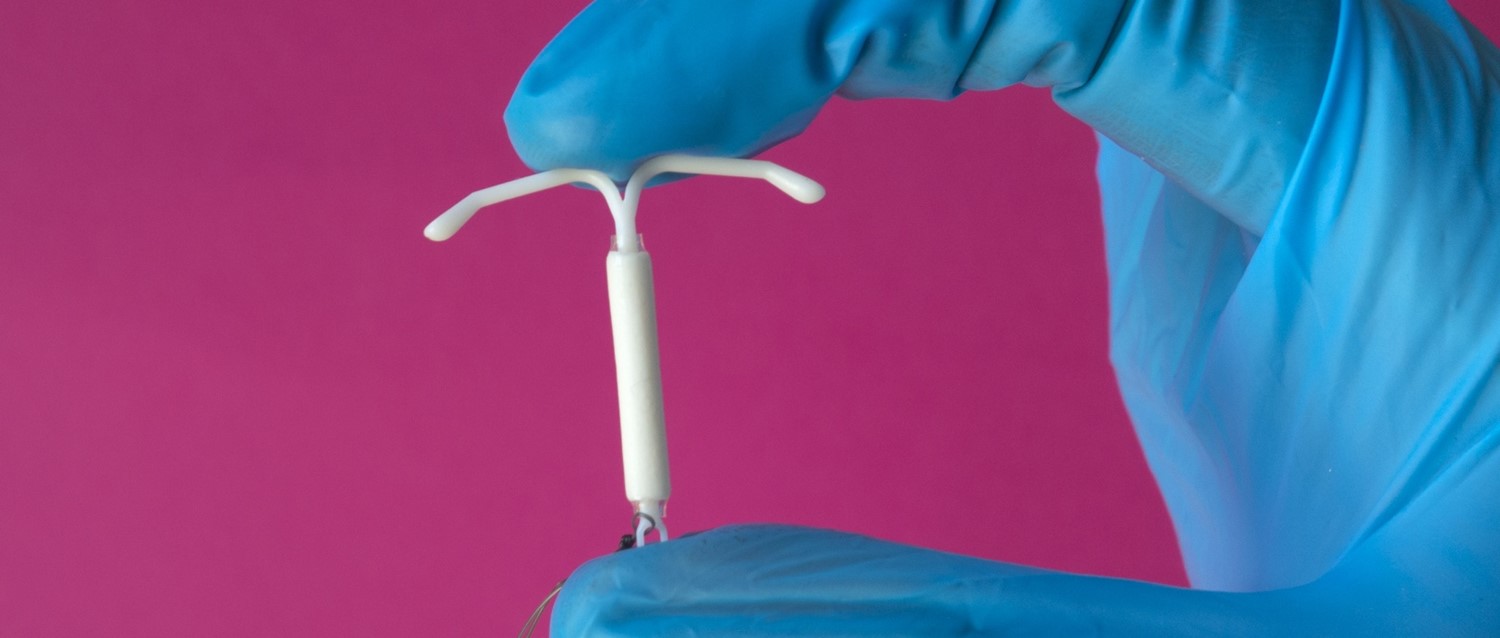
The copper coil (intrauterine contraceptive device, IUD) sits inside the womb (uterus) and works for up to 10 years. It can be taken out at any time by a specially trained doctor or nurse. No hormones are involved in the copper coil, so your body doesn’t have to readjust after having it removed.
“Your natural fertility will return immediately after the copper coil is removed, so you could become pregnant straight away, but it may take longer,” says Patel.
The hormonal coil (intrauterine system, IUS) often has the brand name Mirena, and releases a hormone called levonorgestrel. Once fitted, it can last for between 3 to 5 years depending on the type. However, once removed- like the copper coil - your fertility can come straight back.
If you do not want to get pregant but want to stop using the IUS or IUD, you should start using another method of contraception for at least seven days before removal.
Contraceptive injection
The contraceptive injection lasts for 2 to 3 months and releases the hormone progestogen to prevent pregnancy. There are three long-acting injectables available in the UK. The most commonly used is Depo-Provera, which lasts 13 weeks. Sayana Press lasts for 13 weeks and Noristerat needs to be injected every eight weeks.
“It can take up to one year for your fertility to return to normal after the injection wears off. So it may not be suitable if you want to have a baby in the near future,” says Patel. This delay is not related to the length of time you use this method of contraception.
However, fertility varies widely between individuals and might happen faster to some than others, so those wishing to stop contraceptive injectables and avoid unplanned pregnancies should start another contraceptive method before or at the time of their next scheduled injection.
After being on the contraceptive injection, your periods may change too. Some may experience irregular bleeding during the first few months or they may be heavier and longer.
Progestogen-only Implant
The progestogen-only implant is a small flexible plastic rod placed under the skin in the upper arm. It releases the hormone progestogen into your bloodstream to prevent pregnancy and lasts for three years.
After the implant, natural fertility will return quickly - so contraception is required straight away after it is removed.
Contraceptive patch or ring
The contraceptive patch contains oestrogen and progestogen. It is stuck on to the skin so that the two hormones are continuously delivered to the body to stop you getting pregnant.
The vaginal ring is a small soft, plastic ring that you place inside your vagina. It releases a continuous dose of oestrogen and progestogen into the bloodstream to to stop you getting pregnant.
There is no significant delay in return to fertility once women stop using these methods.
Are there any side effects when coming off contraception?
“After coming off contraception, especially ones that contain hormones, side effects may occur from withdrawal and changes in your body’s chemistry,” says Patel. “These side effects include - Headaches, weight change, acne, mood swings or missed or irregular periods.”
Getting pregnant
To maximise your chances of getting pregnant after coming off contraception, there are several things you can do, like eat healthily, stay active, quit smoking and cut down, or stop drinking,alcohol.
Ideally, you should take folic acid supplements if you are thinking of getting pregnant and continue taking them until at least the 12th week of pregnancy.
It’s important to visit your doctor to discuss pregnancy if you have any medical conditions or if you take medication - do not stop any medication without speaking to your GP first.
Your doctor will also be able to advise you if you have been trying to get pregnant but have not yet conceived.
“Some women may choose to start tracking their menstrual cycle with apps that note changes in your cervical mucus and basal temperatures which can help you determine a fertile window,” says Patel. “However, your GP will recommend having regular intercourse every two to three days.”
Further reading
Patient picks for Contraception
Sexual health
What's the future of contraception?
There are already many contraception choices but no method is perfect and totally free of side effects. However, scientists are studying various new forms right now. It means that in the future, there should be better options for couples who want to avoid pregnancy.
by Dr Colin Tidy, MRCGP
Sexual health
Will we ever have a male contraceptive pill?
Could we soon have a male version of the pill? For many people, unsatisfied with current modes of contraception, the prospect probably sounds too good to be true.
by Abi Millar
About the authorView full bio

Lydia Smith
Feature writer
BA, MA, MSc
Lydia Smith is an award-winning journalist and feature writer who has written extensively on women's health and mental health. She is currently studying for an MSc in psychology.
About the reviewerView full bio

Dr Krishna Vakharia, MRCGP
Chief Medical Officer for Health, Optum UK
MBChB, MRCGP(2013), BMedSci (hons), DFSRH, DRCOG, PGDipDerm (Distn)
Dr Krishna Vakharia is an NHS GP. She is also a regular examiner for the postgraduate Diploma in Practical Dermatology at Cardiff University as well as being the Chief Medical Officer for health at Optum UK.
Article history
Article also available in English, German, Spanish, French, Italian, Portuguese, Hindi, Hebrew, Arabic, and Swedish.
22 Nov 2023 | Originally published
Authored by:
Lydia SmithPeer reviewed by
Dr Krishna Vakharia, MRCGP
Join the conversation
Share your thoughts or experiences with others in our patient communities.

Ask, share, connect.
Browse discussions, ask questions, and share experiences across hundreds of health topics.

Feeling unwell?
Assess your symptoms online for free
Sign up to the Patient newsletter
Your weekly dose of clear, trustworthy health advice - written to help you feel informed, confident and in control.
By subscribing you accept our Privacy Policy. You can unsubscribe at any time. We never sell your data.
More in sexual health
- Can you prevent breakthrough bleeding on the pill?
- How often should you visit a sexual health clinic for a check-up?
- Is it safe to skip your period on the pill?
- Is oral sex less risky than intercourse?
- Living with HIV from birth
- Safeguarding your sexual health at university
- Scientists develop sperm separation method for sex selection
- Should you change your contraception to the coil or implant?
- The male reproductive system
- The pros and cons of female condoms
- The STIs you've never heard of
- Video: How much does PCOS affect fertility?
- What it's like to go through the menopause when you have HIV
- What living with HIV is like today
- What to do about contraception after giving birth
- What to do after rape or sexual assault
- What to do if you think you have an STI
- Which types of condoms are best for preventing pregnancy?
- Women's HIV prevention: the importance of the vaginal ring
- World AIDS Day: Where are we now with HIV?