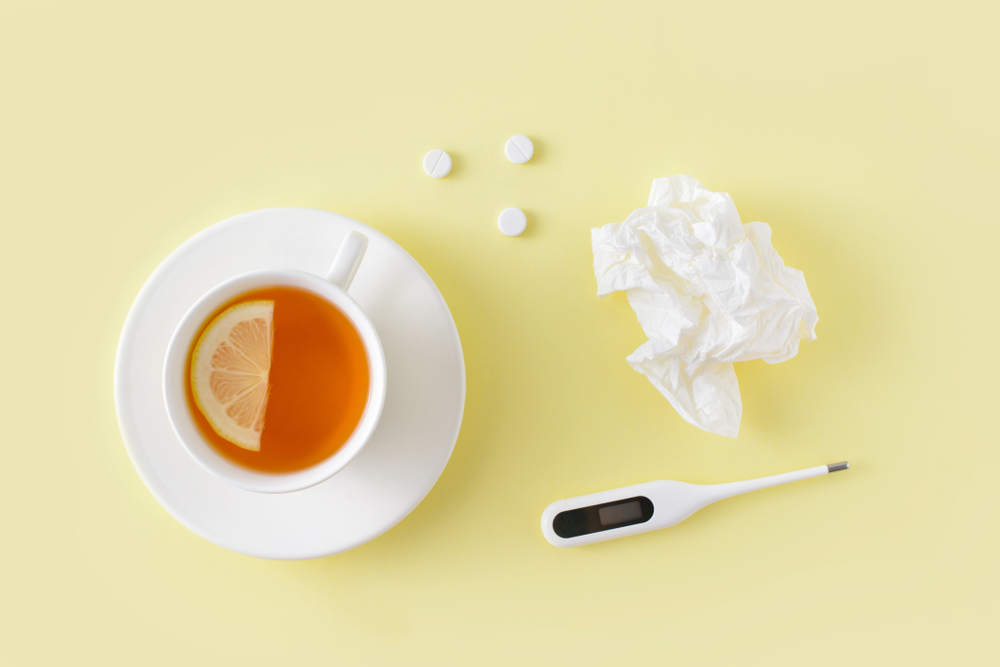
Come gestire i sintomi dell'influenza a casa
Revisione paritaria di Dr Colin Tidy, MRCGPUltimo aggiornamento di Victoria RawUltimo aggiornamento 29 Oct 2026
Rispetta le linee guida editoriali
- ScaricaScarica
- Condividi
- Language
- Discussione
- Versione audio
- Aggiungi alle fonti preferite su Google
Winter is coming and that means flu season will soon be in full swing. Most of us are familiar with the headaches, pains, sore throat, and runny nose - but there are steps you can take to manage your symptoms at home.
Explore relief for cold and flu symptoms
Get expert healthcare advice from the comfort of home. Complete a quick online consultation, available 24/7, with your request reviewed by a UK-registered clinician. Next day delivery available on eligible treatments.

Protecting yourself against seasonal flu (influenza) remains important. Getting your annual flu jab can reduce your chance of serious illness, and ease pressure on the NHS during winter months.
If you develop flu symptoms, you should stay at home as much as possible to avoid passing it on to others, and reduce the strain on healthcare services. However, there are times when you may need to see a doctor.
Professor Martin Marshall, former chair of the Royal College of GPs (RCGP), and Dr Ravi Tomar, GP partner at Saxonbrook Medical, share advice on managing flu symptoms at home.
Know the signs
First of all, it's important you know the symptoms of flu before you can manage them.
Tomar explains that flu typically causes symptoms that affect your whole body.
"These include fever, fatigue, aches, pains, and headaches rather than symptoms in isolated areas of the body such as the upper airway and chest," he says.
Flu symptoms can come on very quickly and will often feel worse than a raffreddore comune.
Look out for:
A temperature above 38°C.
Aching body.
Feeling exhausted.
Un mal di gola.
Tosse secca.
Difficoltà a dormire.
Mal di testa.
Sentirsi male o essere malati.
Dolore addominale.
Perdita di appetito.
Symptoms are usually the same in children and adults, but sometimes children will experience earaches.
Over-the-counter treatments
Luckily, there are plenty of over-the-counter treatments that can help ease your pain.
Marshall says that flu can be an unpleasant disease. But for otherwise healthy people it usually passes on its own within a couple of weeks without complication.
"People who have the flu should get plenty of rest, keep up their fluids to avoid dehydration, and control symptoms such as fever and aches with paracetamol or ibuprofen, where necessary," he advises.
Mentre antidolorifici can help with overall aches and pains, there are other options for sore throats and coughs.
Tomar adds that for symptoms affecting your throat, cough syrups or lozenges and throat sprays can be very helpful. If your nose is blocked, sinus rinses or decongestant sprays can be used short-term.
You should always take painkillers as directed on the packet and speak with a pharmacist about the right medications for you.
At-home remedies
There are also a number of at-home remedies that might be helpful in relieving symptoms. Honey and lemon, for instance, can help a sore throat, while steam can help unblock your nose.
Tomar says that while the scientific evidence behind many home remedies has not been established, they can often be found as helpful additions to over-the-counter treatments.
"Hot water with honey and lemon works well to relieve throat symptoms," he explains. "Steam inhalation - with or without an added oil - can help to unblock your nose.
"Furthermore, many food sources have been shown to have some effect in boosting the immune system. These include beta carotene, vitamina D and zinc, which can be found in vegetables, fortified cereals, and beans."
When should you stay home?
Anyone who has symptoms of flu should take 5 to 7 days off work to avoid spreading the illness.
Tomar says that spending this time resting will give your body time to get better. You're also likely to recover faster without risking prolonging or worsening your symptoms.
"If you can work from home, this might be the best initial practice at the onset of symptoms to see if you can manage them while continuing to be productive," he suggests.
While it's advisable to stay home as much as possible to stop spreading the illness, there are times where seeing a doctor is necessary. If your symptoms persist for longer than 5-7 days, or affect your breathing, you should seek medical advice.
"Most people with flu will not need to seek further medical advice during the course of the illness," explains Tomar. "However, if the illness persists for longer than expected, is more severe, distressing, or affecting your breathing then this may suggest an alternative cause or a particularly bad case of flu."
The best protection
The best way to protect yourself, and also help stop the spread of flu, is to get your flu vaccine.
Marshall stresses the importance of flu vaccination in higher-risk groups, including older adults, pregnant people, and those with long-term health conditions or learning disabilities.
"It is the best protection we have against the flu and we urge all people in at-risk groups to get vaccinated," - and for parents of young children to arrange this for their children - as soon as possible."
Read our guide to find out whether you're eligible for a free flu vaccine.
COVID-19 or the flu?
As flu season approaches, telling the difference between the flu, COVID-19, and a common cold can be tricky. All three share similar symptoms such as a cough, fever, sore throat, and fatigue. Because these symptoms overlap so heavily, testing is often the only way to tell them apart.
"If you're unsure or confused about your symptoms, contact the NHS 111 service online or by phone in the first instance," Mason concludes. "This should direct you to the most appropriate care or medical advice."
Explore relief for cold and flu symptoms
Get expert healthcare advice from the comfort of home. Complete a quick online consultation, available 24/7, with your request reviewed by a UK-registered clinician. Next day delivery available on eligible treatments.
Scelte del paziente per Influenza e vaccinazione

Infezioni
Perché le vaccinazioni sono così importanti
Insieme all'acqua pulita, le vaccinazioni hanno fatto più di qualsiasi altro progresso sanitario pubblico per prevenire la morte dei bambini - ma non sono solo per i neonati. Esistono vaccini per proteggerti dalle infezioni più pericolose a ogni età.
di Dr Sarah Jarvis

Orecchio, naso e gola
How long should you use a decongestant nasal spray? The new five-day warning explained
Winter brings many reasons to reach for a nasal spray, from seasonal viruses and allergies to dry nasal passages. However, health professionals are urging people not to overuse them, as they can cause unwanted side effects. We explain how long you should use nasal sprays for, the potential downsides of overuse, and why it’s important to take care while using them.
di Victoria Raw
Informazioni sull'autore
Aggiornato da

Victoria Raw
Scrittore di articoli
Laurea in Lettere (Hons), Letteratura Inglese
Victoria è una scrittrice di contenuti presso Patient, con interessi speciali che spaziano dal benessere mentale, alle tendenze sociali e all'impatto della tecnologia sulla nostra salute.
Autore

Andrea Downey
Informazioni sul recensoreVisualizza il profilo completo

Dr Colin Tidy, MRCGP
Medico di base, Autore medico
MBBS, MRCGP, MRCP (Paediatrics), DCH
Il Dr Colin Tidy è un medico del NHS, con sede nell'Oxfordshire.
Storia dell'articolo
Articolo disponibile anche in Inglese, Tedesco, Spagnolo, Francese, Italiano, Portoghese, Hindi, Ebraico, Arabo, and Svedese.
Prossima revisione prevista: 30 ott 2028
29 Oct 2026 | Ultima versione
15 Oct 2020 | Pubblicato originariamente
Autore:
Andrea Downey
Partecipa alla conversazione
Condividi i tuoi pensieri o esperienze con gli altri nel nostro comunità di pazienti.

Chiedi, condividi, connettiti.
Esplora le discussioni, fai domande e condividi esperienze su centinaia di argomenti di salute.

Non ti senti bene?
Valuta i tuoi sintomi online gratuitamente
Iscriviti alla newsletter di Patient
La tua dose settimanale di consigli sulla salute chiari e affidabili - scritti per aiutarti a sentirti informato, sicuro e in controllo.
Abbonandoti accetti i nostri Informativa sulla Privacy. Puoi annullare l'iscrizione in qualsiasi momento. Non vendiamo mai i tuoi dati.