Mangiare fuori con il colesterolo alto
Revisione paritaria di Dr Sarah JarvisAutore Danny ChadburnPubblicato originariamente 21 Set 2017
Rispetta le linee guida editoriali
- ScaricaScarica
- Condividi
- Language
- Discussione
- Ask Patient
- Versione audio
- Aggiungi alle fonti preferite su Google
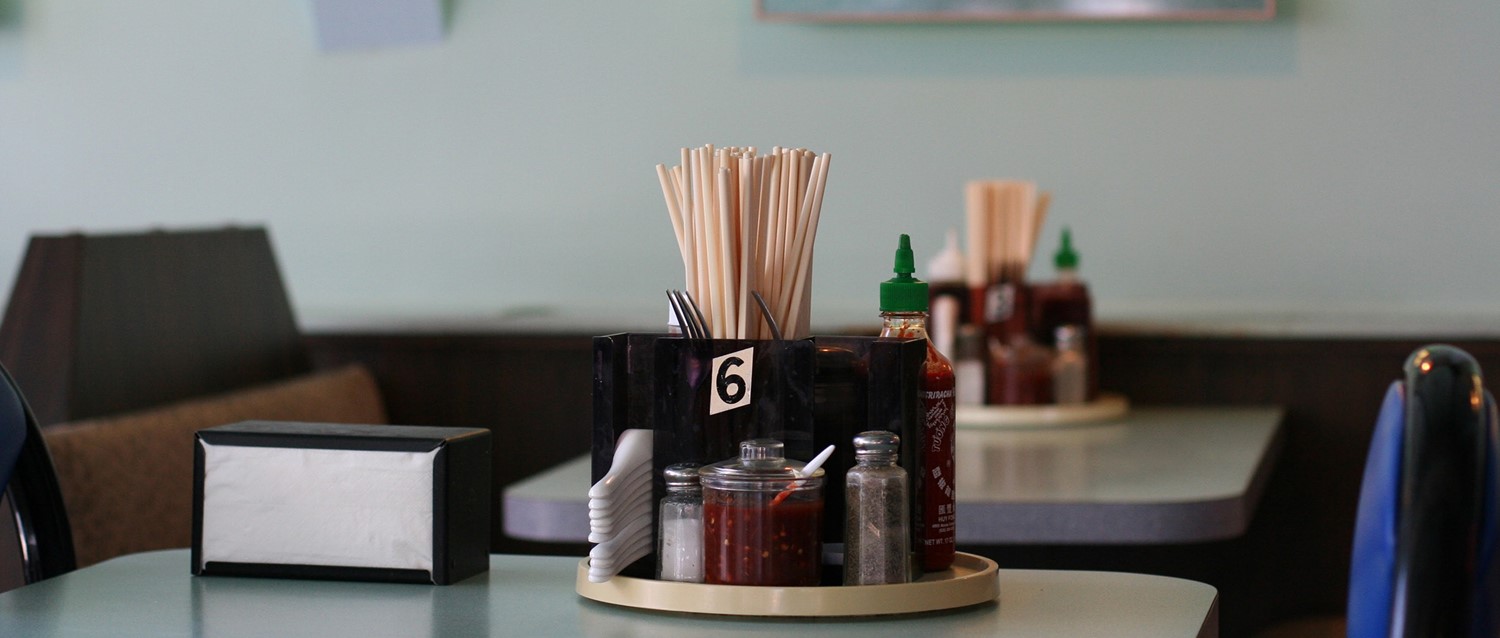
Se hai colesterolo alto, going out for a meal can feel like a minefield. Which type of cuisine do you go for? What about hidden fats? Should you have a pudding? Luckily there is so much choice now available – and many restaurants now offer heart-healthy options – that you can eat out without missing out.
Explore cholesterol treatment options
Get expert healthcare advice from the comfort of home. Complete a quick online consultation, available 24/7, with your request reviewed by a UK-registered clinician. Next day delivery available on eligible treatments.

Scelte video per Colesterolo altoVideo library
Watch your saturated fat intake
Saturated fat increases the levels of colesterolo in your blood – especially ‘bad’ LDL cholesterol – so choose foods that have low or reduced levels. It’s recommended that women eat no more than 20 g of saturated fat a day and men 30 g.
‘But it’s not just about low fat, you need a healthy balance of fats,’ says Heart UK dietetic adviser, Linda Main. ‘Two thirds of your fat intake should be from vegetable sources, not animal sources. Ask your waiter for the low-fat options and limit high-fat foods such as creamy sauces, rich desserts, oily dressings and dips, pastry, fatty meat, and fried or sautéed foods.’
Choose the cuisine carefully
Research by Heart UK found that many high street restaurants and fast food chains are serving dishes with four times the UK’s maximum daily recommended amount of saturated fat in a single meal. The top three worst offenders were Zizzi, ASK and Pizza Express, all Italian, although they also have healthy choices on their menus.
Sadly, no one type of food is better than another – there are good and bad options in most cuisines. Many Indian dishes are based around vegetables, but have fatty sauces, while Mexican food includes lots of fresh veg but they often come in deep-fried tortillas laden with cheese. Main says, ‘Watch out for dishes made with coconut oil, cream, ghee, pastry, fried foods, fatty meat or crackling.’
What are the healthiest restaurant options?
Indian
Opt for steamed or boiled ride, and try lentil soups, chicken or fish dishes based on yoghurt or tomato, instead of creamy curries. Ask for dhal lentil curries without ghee or butter, as these are often added after cooking for a creamier taste.
Mexican and Spanish
Go for healthy tomato salsa dips over creamy ones, and steer clear of fried tacos. Ask for any mains to come with meat and cheese toppings on the side, so you can decide how much to use. Go for healthy fajitas, fish with rice (arroz abarida), or chilli con carne with beans.
Italiano
Choose vegetable or fruit-based starters, such as plain asparagus or melon and parma ham. Opt for pasta with tomato-based sauces, rather than cream, and ask for pizzas to be made with half the cheese and extra vegetable toppings. Avoid fatty meats, like pepperoni or salami, and give stuffed crusts a miss.
Chinese
Stick to boiled or steamed rice and noodles, and clear soups. Avoid fried dishes like spring rolls or sweet and sour pork balls, and try lighter options such as beef or chicken in black bean sauce, vegetable stir-fry and fish in chilli or oyster sauce.
Do your research
Check menus online so you can decide which restaurant offers the best cholesterol-friendly options. Many restaurants now have ‘heart-healthy’ or ‘low-fat’ symbols on their menus – Zizzi has ‘600’ symbol for meals under 600 calories, for example, while Bella Italia has a heart symbol to show its heart-healthy options.
You may have more choice at a local independent restaurant rather than a high street chain. They normally use fresh, locally sourced ingredients and can be more flexible about changing menu options for guests with specific dietary needs. It may also be easier for them to take out certain ingredients if they’re cooking from scratch, rather than using pre-prepared meals.
However, ‘some fast-food restaurants also have websites with ‘nutritional calculators’ which allow you to check out what’s in the food before you order,’ says Main. This makes it easier to work out exactly what you can eat in advance. If you’re really worried, call ahead and ask the restaurant what they’ll be able to do for you.
Ask for dishes to be adapted
Go for dishes that are steamed, braised, grilled or baked, but don’t be afraid to ask for dishes you like the look of to be altered. 'It’s not usually a problem for a restaurant to replace chips with a jacket potato, salad or vegetables.
'You can also ask for no extra cheese, butter or oil, and put sauces and dressings on the side,’ says senior dietitian Victoria Taylor from the British Heart Foundation.
Are vegetarian dishes a better choice?
If you’re vegetarian, your choices can be limited – there are often only one or two options on the menu, and they can be high in saturated fat; cheesy veggie lasagne, creamy curry, pastry pies and chips, or a rich risotto. If you can’t avoid them, ask for smaller portions or to have a starter as a main meal.
Dishes such as sushi, curries without ghee or creamy sauces, Mexican bean salads and Thai or Chinese stir-fries packed with vegetables and tofu can be veggie-friendly and heart-healthy too.
Don’t beat yourself up
If you’re eating out regularly this could impact on your overall food intake; meals in the canteen, business lunches, and a quick snack in the pub all add up. ‘One meal out won’t make any difference to your health in the grand scheme of things, so enjoy it. But if it’s one of many, think about how it fits into your overall diet,’ says Taylor. ‘This could mean having a lighter meal in the evening if you had a big meal earlier in the day.’
If you know you’re going to have a few meals out during the week, make sure you’re choosing the healthiest options available, such as low saturated fat. But if it’s a special get-together or a big family Sunday lunch, the occasional roast potato or creamy pudding won’t hurt – just make sure your next meal is a healthy one.
Scelte del paziente per Colesterolo alto

Salute del cuore e dei vasi sanguigni
Iniezione semestrale di colesterolo potrebbe sostituire le statine giornaliere
Un nuovo farmaco, iniettato due volte l'anno, potrebbe essere utilizzato per ridurre il 'colesterolo cattivo' nel sangue, secondo i nuovi risultati presentati alla conferenza della Società Europea di Cardiologia a Parigi.
di Ashwin Bhandari
Salute del cuore e dei vasi sanguigni
Interrompere le statine dopo i 75 anni aumenta il rischio di infarto
Interrompere l'uso delle statine dopo i 75 anni aumenta il rischio di infarto di quasi la metà, secondo quanto suggerito dalla ricerca.
di Ashwin Bhandari
Informazioni sull'autore
Autore

Danny Chadburn
Responsabile dei Contenuti
Danny era il precedente Responsabile dei Contenuti presso Patient.
Informazioni sul recensoreVisualizza il profilo completo

Dr Sarah Jarvis
Consulente Clinico
MA (Cantab), BM, BCh (Oxon), DRCOG, FRCGP, MBE
Dopo aver completato la formazione in medicina a Cambridge e Oxford, la Dott.ssa Sarah Jarvis MBE è diventata un medico di base.
Storia dell'articolo
Articolo disponibile anche in Inglese, Tedesco, Spagnolo, Francese, Italiano, Portoghese, Hindi, Ebraico, Arabo, and Svedese.
21 Set 2017 | Pubblicato originariamente
Autore:
Danny Chadburn
Revisione paritaria di
Dr Sarah Jarvis
Condividi i tuoi pensieri o esperienze con gli altri nel nostro comunità di pazienti.
Iscriviti alla newsletter di Patient
La tua dose settimanale di consigli sulla salute chiari e affidabili - scritti per aiutarti a sentirti informato, sicuro e in controllo.
Abbonandoti accetti i nostri Informativa sulla Privacy. Puoi annullare l'iscrizione in qualsiasi momento. Non vendiamo mai i tuoi dati.