Come prevenire il mal di montagna?
Revisione paritaria di Dr Sarah JarvisAutore Gillian HarveyPubblicato originariamente 9 Lug 2019
Rispetta le linee guida editoriali
- ScaricaScarica
- Condividi
- Language
- Discussione
- Ask Patient
- Versione audio
- Aggiungi alle fonti preferite su Google
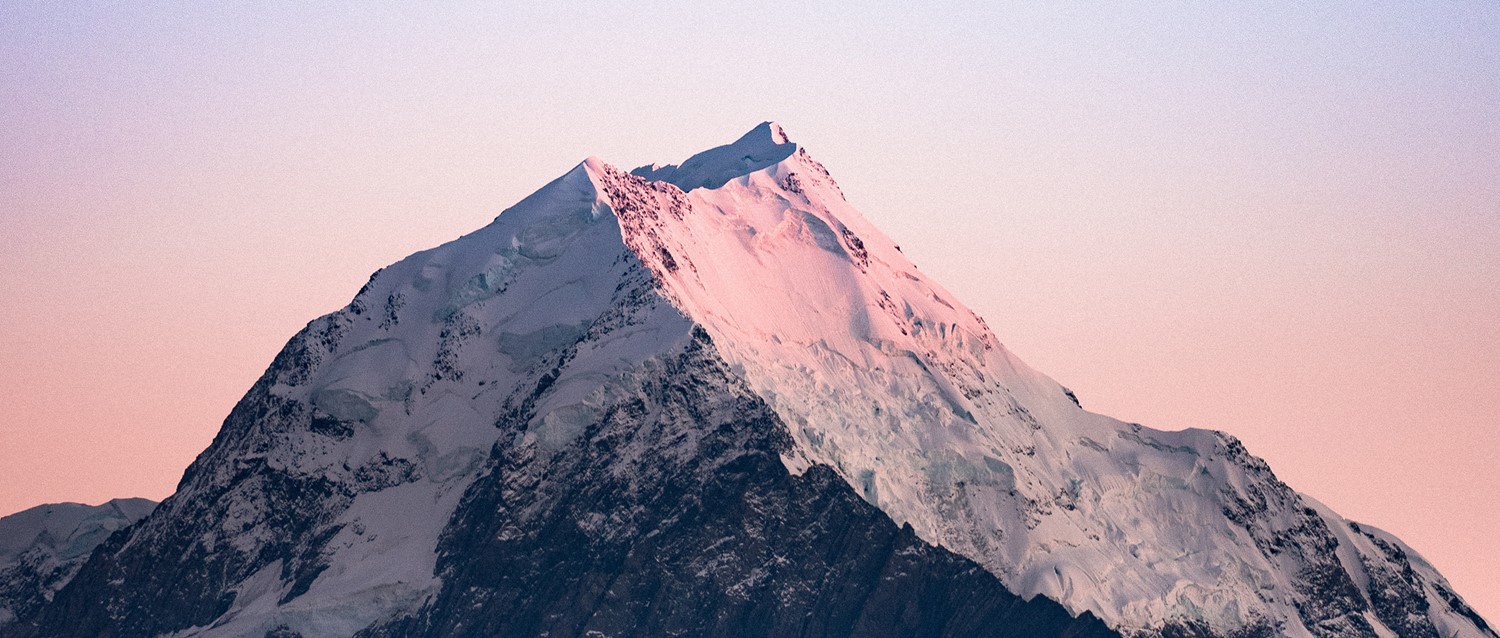
Parti per una scalata? Che tu sia un alpinista esperto o un fundraiser benefico che affronta un viaggio unico nella vita, devi essere consapevole dei rischi per la tua salute quando sali ad alta quota. Conoscere i sintomi della malattia da altitudine e adottare misure per ridurre il rischio prima del viaggio potrebbe prevenire molte sofferenze - e persino salvarti la vita.
Explore altitude sickness prevention
Get expert healthcare advice from the comfort of home. Complete a quick online consultation, available 24/7, with your request reviewed by a UK-registered clinician. Next day delivery available on eligible treatments.

Scelte video per Consigli di viaggioVideo library
What is altitude sickness?
Altitude sickness is an illness that may develop when you reach a height of 2500 metres above sea level.
"There is a particular risk if you ascend too quickly, without giving your body time to adjust to lower oxygen levels," explains James Moore, director of Exeter Travel Clinic. "Symptoms, which include headache, nausea, dizziness and fatigue at higher altitude, should never be ignored, as the condition can worsen, leading to high-altitude pulmonary oedema (HAPE) - a build-up of fluid in the lungs - or to high-altitude cerebral oedema (HACE) - a build-up of fluid in the brain. Both of these can be fatal."
Anyone climbing or travelling to 2500 metres above sea level or higher may develop altitude sickness. In the UK you're safe, as even Ben Nevis - the highest mountain - is only 1344 metres.
However, in some popular holiday destinations, you need to be careful. "You may reach 3500 metres in the Alps going skiing," explains Moore. "Although because people are going up and down, the risk is lower. Those at higher risk are people who are doing some of the higher mountain hikes, such as the Everest base camp trek, Kilimanjaro, or some of the higher passes on the Inca Trail."
Does being fit minimise risk?
It would be easy to assume that physical strength can play a part in preventing altitude sickness. However, the condition is caused primarily by rapid ascent rather than lack of fitness or preparation, and you are at a slightly higher risk if you've experienced altitude sickness before.
Even if you've climbed mountains without experiencing this condition, you may well find yourself suffering on your next trip.
How can I prevent altitude sickness?
Whilst altitude sickness may not be entirely preventable, you can minimise your risk by ensuring you don't ascend too quickly.
"Guidelines suggest that climbers don't ascend more than 500 metres per day once they've reached 3000 metres," says Moore. "And take a rest day every third or fourth day. So when planning your trip, look at the speed of ascent and make sure you stay within limits."
It's also important to ensure that you are adequately hydrated and avoid alcohol.
Acetazolamide - a prescription medicine - can also be used to reduce the risk of acute mountain sickness developing, and reduce the symptoms of altitude sickness. It's not usually available on the NHS, but many pharmacists offer a service where they can provide it as part of their travel health service. It's important to discuss this medication with your GP, specialist travel nurse or pharmacist to ensure you take the correct dose.
What should I do if I develop symptoms?
If you develop any of the symptoms of altitude sickness, it's important not to climb any higher until your symptoms have disappeared. If your symptoms persist it's advisable to descend to a lower level where it is easier to breathe. If your symptoms become severe, it's important to seek urgent medical attention.
As well as acetazolamide, milder symptoms can also be alleviated with over-the-counter remedies, such as paracetamol for headaches, and anti-sickness medication for any feelings of nausea you experience.
Taking a risk
Sadly, despite our knowledge of altitude sickness, people die every year from HAPE and HACE whilst climbing. Any symptoms of altitude sickness should be taken seriously, and the charity Altitude.org advises that if you develop the symptoms you should assume "you have altitude sickness unless proven otherwise".
"People sometimes feel they need to press on. Perhaps they've spent a lot of money going to Everest base camp or Kilimanjaro and feel determined to get to the top," explains Moore. "Or you might have people around you who don't recognise the symptoms and aren't willing to turn back.
"A lot of people are spurred on because they're raising money for charity; and they force themselves to ascend too high, too quickly."
Be altitude aware
Setting yourself a challenge and having to turn back is a disappointing outcome. However, it's important that you don't risk your health by ignoring or downplaying symptoms. If you're planning a trip, make sure you take note of the symptoms of altitude sickness so that you can spot warning signs in yourself and others.
Scelte del paziente per Consigli di viaggio
Viaggi e vaccinazioni
Come mantenersi in salute durante le vacanze
Nessuno si aspetta di ammalarsi in vacanza, ma succede. La dottoressa Sarah Jarvis ha perso il conto delle disgrazie mediche che ha ascoltato dai pazienti e che si sarebbero potute evitare. Qui condivide i suoi consigli principali per vacanze sane, così che gli unici ricordi che porti a casa dalla vacanza siano felici.
di Amberley Davis
Viaggi e vaccinazioni
Come gestire il mal di movimento
Ti sei mai sentito male o stordito in un veicolo in movimento? Forse hai anche sudato freddo, ti sei sentito debole o hai sviluppato un mal di testa allo stesso tempo? Il mal d'auto può essere comune, ma questo non significa che non puoi prevenirlo o trattarlo.
di Amberley Davis
Informazioni sull'autoreVisualizza il profilo completo
Autore
Gillian Harvey
Scrittore Freelance
Laurea in Inglese (Hons)
Gillian è una scrittrice freelance e una columnist per una varietà di giornali e riviste nazionali.
Informazioni sul recensoreVisualizza il profilo completo

Dr Sarah Jarvis
Consulente Clinico
MA (Cantab), BM, BCh (Oxon), DRCOG, FRCGP, MBE
Dopo aver completato la formazione in medicina a Cambridge e Oxford, la Dott.ssa Sarah Jarvis MBE è diventata un medico di base.
Storia dell'articolo
Articolo disponibile anche in Inglese, Tedesco, Spagnolo, Francese, Italiano, Portoghese, Hindi, Ebraico, Arabo, and Svedese.
9 Lug 2019 | Pubblicato originariamente
Autore:
Gillian HarveyRevisione paritaria di
Dr Sarah Jarvis
Condividi i tuoi pensieri o esperienze con gli altri nel nostro comunità di pazienti.
Iscriviti alla newsletter di Patient
La tua dose settimanale di consigli sulla salute chiari e affidabili - scritti per aiutarti a sentirti informato, sicuro e in controllo.
Abbonandoti accetti i nostri Informativa sulla Privacy. Puoi annullare l'iscrizione in qualsiasi momento. Non vendiamo mai i tuoi dati.