How to protect yourself from hearing loss this Bonfire Night
Peer reviewed by Dr Sarah JarvisLast updated by Amberley DavisLast updated 31 Oct 2021
Meets Patient’s editorial guidelines
- DownloadDownload
- Share
- Language
- Discussion
- Audio Version
- Add to preferred sources on Google
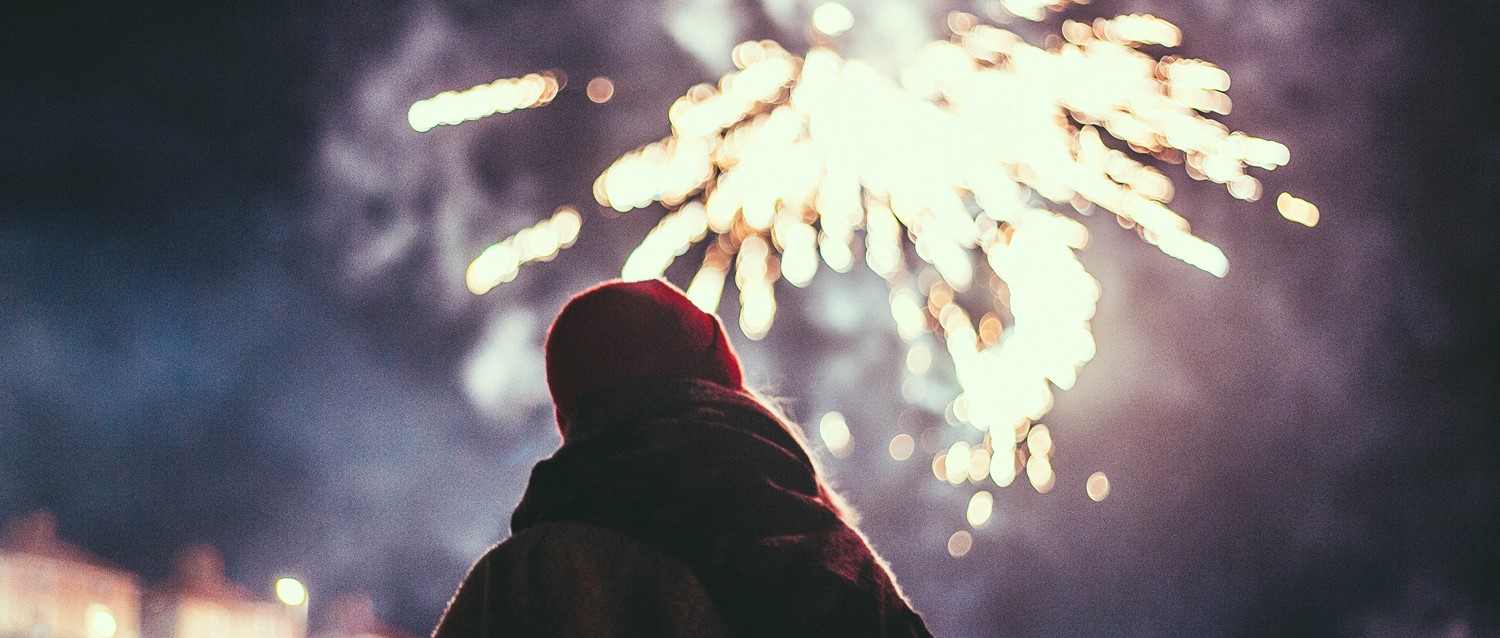
The skies will soon be lit up with colourful and loud firework displays this Bonfire Night. The dazzling sights may last only one night, but potential ear damage from the noisy explosions may cause long-lasting hearing loss.
Noise-induced hearing loss can be caused by a single loud sound that we are too close to, such as the bangs and whizzes made by loud fireworks and firecrackers. Hearing loss may be temporary or permanent, and it is important to take measures to protect your ears and reduce your risk of hearing loss.
What is the risk of hearing loss from loud fireworks?
According to the Centers for Disease Control and Prevention (CDC), loud noise above 120 decibels (dB) can cause immediate harm to your ears. As such, the legal UK noise limit for a fireworks display is 120 dB, as recommended by the World Health Organization (WHO).
Sound levels for familiar noises
Healthcare experts believe that sounds at or below 70 dB are unlikely to cause hearing loss. However, it is possible that long or repeated exposure to sounds above 85 dBA can cause hearing loss.
To put this into context, there are average decibel ratings of some familiar sounds:
Normal conversation: 60-70 dB.
Cinema films: 74-104 dB.
Motorbikes: 80-110 dB.
Lawn mowers: 90 dB.
Music through headphones at maximum volume, sporting events, and concerts: 94-120 dB.
Sirens: 110-129 dBA.
Firework displays: 120-160 dBA.
The risk of hearing loss from fireworks
The legal noise limit for fireworks is 30 dB above the level at which hearing damage can occur, where hearing loss may not be immediately obvious but experienced as a gradual decline. It is also worth noting that many firework displays do exceed this limit and reach heights of 160 dB.
As the CDC point out, the longer you are exposed to a loud noise without ear protection, the greater the risk you run of hearing loss. At a noise level of 120 dB, it can take only seven seconds to risk having permanent hearing damage.
What are the signs of hearing loss?
Hearing loss resulting from a loud fireworks display can affect one or both ears, be immediate or gradual, and be either temporary or permanent. Some of the signs include:
An immediate and noticeable loss of hearing.
Severe pain and possibly blood or fluid leaking from your ear if the sound has been loud enough to perforate your eardrum. This is rare and a firework display is unlikely to create noise loud enough for this to happen.
Struggling to hear sounds that were previously clearer.
No longer being able to use a phone in one or both of your ears.
A persistent ringing or buzzing sound in your ears which may indicate that you have tinnitus. This may subside over time, but tinnitus can sometimes continue constantly or return periodically throughout a person's life.
A temporary loss of hearing that disappears 16 to 48 hours later. It is important to note that even temporary hearing loss may cause residual long-term damage.
The National Institute on Deafness and Other Communication Disorders points out that you may not be able to tell that you are damaging your hearing at the time, but instead have more trouble hearing in the future. It is important to use preventative measures to reduce the risk of hearing loss.
How to protect your hearing on Bonfire Night
There are several ear protection measures you can take to mitigate potential damage to your hearing on Bonfire Night.
By maintaining a distance of at least 15-20 metres away from a loud fireworks display you can greatly decrease the sound levels that reach your ears. For children, a greater distance of 50-60 metres is advised as their ears are more sensitive and vulnerable to hearing damage.
If there are any speaker systems or music amplifiers it is also wise to keep a safe distance.
Using ear protection means that you can watch the dazzling explosions while minimising the damage to your ears. Ear plugs, ear muffs, and noise-cancelling headphones can all reduce the risk of hearing loss. For ear protection to be effective, you must wear it correctly for the duration of the fireworks.
Child and baby ear defenders are a great way to protect your children's ears.
If you find yourself close to a very loud fireworks display without ear protection, use your fingers to plug your ears and move yourself away from the source of the noise.
If you are having your own fireworks display you may consider purchasing noiseless fireworks.
If you have been exposed to a very noisy environment your ears can take around 16 hours to recover so ensure that you protect them from further exposure to damage during this time.
If you believe that you may be experiencing hearing loss it is important to have your hearing tested. Consult your GP if you notice that you are struggling to hear sounds that were once clearer.
Patient picks for Hearing problems
Ear, nose and throat
What is a cochlear implant and what effect do they have on hearing?
Opportunities and representation for the Deaf community have greatly improved over recent years. In 2022, a Bill passed through Parliament to make British Sign Language (BSL) a legally recognised and protected language. Despite these conversations being in the spotlight, there might be some aspects of deafness that you aren't familiar with and want to know more about.
by Emily Jane Bashforth
Ear, nose and throat
How to protect against hearing loss while using headphones
Most of us use headphones for one reason or another on a daily basis. Perhaps it's to take calls or to listen to music while out on a run. There are countless styles of headphones in various price ranges meaning they are accessible to many. However, as convenient and comfortable as headphones can be, it's vital you use them properly to protect your ears.
by Emily Jane Bashforth
About the authorView full bio

Amberley Davis
Senior writer
BA (Hons), CPD
Amberley is a senior writer with Patient and has written extensively on a range of health and wellbeing topics.
About the reviewerView full bio

Dr Sarah Jarvis
Clinical Consultant
MA (Cantab), BM, BCh (Oxon), DRCOG, FRCGP, MBE
After training in medicine at Cambridge and Oxford, Dr Sarah Jarvis MBE became a GP.
Article history
Article also available in English, German, Spanish, French, Italian, Portuguese, Hindi, Hebrew, Arabic, and Swedish.
31 Oct 2021 | Latest version
Join the conversation
Share your thoughts or experiences with others in our patient communities.

Ask, share, connect.
Browse discussions, ask questions, and share experiences across hundreds of health topics.

Feeling unwell?
Assess your symptoms online for free
Sign up to the Patient newsletter
Your weekly dose of clear, trustworthy health advice - written to help you feel informed, confident and in control.
By subscribing you accept our Privacy Policy. You can unsubscribe at any time. We never sell your data.
More in ear, nose and throat
- 9 home remedies for tonsillitis
- Anatomy of the ear
- Coughs, colds and sore throats: is honey better than over-the-counter treatments?
- Ear conditions videos
- Ear tickle' therapy could slow down ageing
- Find your balance: 10 natural remedies to treat labyrinthitis at home
- How I found my Deaf identity - Rachel's story
- How to manage tonsillitis in children
- How to protect against hearing loss while using headphones
- Is British Sign Language a legally recognised language?
- Living with tinnitus: symptoms and solutions
- Signs of tinnitus to look out for in children
- What causes a musty smell in the nose?
- What do tonsils do?
- What does your snot say about your health?
- What is it like to be Deaf?
- What should you eat if you have tonsillitis?
- What's causing my hearing loss?
- When to worry about a sore throat
- Why has the advice on dealing with earwax blockages changed?