Fermare un sanguinamento dal naso
Revisione paritaria di Dr Colin Tidy, MRCGPUltimo aggiornamento di Dr Hayley Willacy, FRCGP Ultimo aggiornamento 24 Ott 2023
Rispetta le linee guida editoriali
- ScaricaScarica
- Condividi
- Language
- Discussione
- Versione audio
- Add to preferred sources on Google
In questa serie:Sanguinamento dal naso
This leaflet is created from first aid advice provided by St John Ambulance, the nation's leading first aid charity. This advice is no substitute for first aid training - trova un corso di formazione vicino a te.
In questo articolo:
Video picks for Naso e seni paranasali
Continua a leggere sotto
What is a nose bleed?
A nose bleed is when blood flows from one or both nostrils. It's normally caused by the tiny blood vessels inside the nostrils being ruptured.
Common causes of nose bleeds include a blow to the nose, sneezing, picking or blowing the nose, and high blood pressure.
What to look for with a nose bleed
Torna ai contenutiMost nose bleeds are minor and only last a few minutes, but they can be dangerous if someone loses a lot of blood or if they have frequently nose bleeds.
If someone has had a blow to the head, the blood may appear thin and watery. This could mean that their skull is fractured and fluid is leaking from around the brain. If that happens, it is very serious and you should call 999 or 112 for emergency medical help. See advice for head injuries.
Continua a leggere sotto
How to stop a nose bleed
Torna ai contenutiIf someone is having a nose bleed, your priority is to control the bleeding and keep their airway open. To stop a nose bleed:
Get them to sit down (not lie down) as keeping the nose above the heart will reduce bleeding.
Get them to lean forward (not backwards), to make sure the blood drains out through their nose, rather than down their throat which could block their airway.
Nose pinch SJA
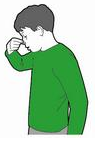
Ask them to breathe through their mouth and pinch the soft part of the nose, taking a brief pause every ten minutes, until the bleeding has stopped.
Encourage them not to speak, swallow, cough, spit or sniff because this may break blood clots that may have started to form in the nose.
If the bleeding is severe, or if it lasts more than 30 minutes, call 999 or 112 for medical help.
Nota: these hints are no substitute for thorough knowledge of first aid. St John Ambulance holds corsi di primo soccorso throughout the country.
What will my GP do if I have nosebleeds?
Torna ai contenutiWhen you go and see your local doctor about a nosebleed, they will ask you questions about the bleeds, such as how often they occur and how long they last? Do both nostrils bleed or does it tend to be one side? They will try to discover what might have caused the bleeding. They will ask about what medicines you take, if any, and any family history of bleeding disorders. Then they will examine the inside of your nose and take your blood pressure. A high blood pressure can cause nose bleeds.
Sometimes the GP may be able to see a bleeding point (a small blood vessel) in the nostril and cauterise it. This might be with electrocautery or silver nitrate. This can be quite uncomfortable to tolerate and similar results are obtained using a cream called Naseptin® for a few days. If they cannot stop the bleeding they will pack the nose with soft dressing material. This applies pressure to the small blood vessels and stops the bleeding.
Continua a leggere sotto
Preventing a nosebleed
Torna ai contenutiTry to avoid picking your nose and keep your fingernails short.
Blow your nose less often and do so gently.
Don't allow your nostrils to become dry. If you feel the skin is dry, you can help by applying a small amount of petroleum jelly.
If you use a nasal decongestant, follow the instructions carefully. Overusing them can cause nosebleeds.
Adapted from the St John Ambulance leaflet: nose bleeds. Il copyright di questo opuscolo è di St John Ambulance.
Patient picks for Naso e seni paranasali
Orecchio, naso e gola
Sinusite cronica
La sinusite cronica è un'infiammazione dei seni paranasali che dura a lungo, solitamente definita come 12 settimane o più. È meno comune della sinusite acuta, ma sembra diventare più comune in tutte le fasce d'età. Ci sono molti trattamenti. La chirurgia per migliorare il drenaggio dei seni è un'opzione se altri trattamenti falliscono e di solito funziona bene.
di Dr Doug McKechnie, MRCGP

Orecchio, naso e gola
Sanguinamento dal naso
Avere un sanguinamento dal naso (epistassi) è comune nei bambini. Le epistassi sono di solito lievi e facilmente trattabili. A volte il sanguinamento può essere più grave. Questo accade di solito nelle persone anziane o in persone con altri problemi medici come disturbi del sangue. Cercare rapidamente assistenza medica se il sanguinamento è grave o se non si ferma entro 20-30 minuti.
di Dr Colin Tidy, MRCGP
Ulteriori letture e riferimenti
- Epistaxis (nosebleeds); NICE CKS, ottobre 2024 (accesso solo Regno Unito)
- Tunkel DE, Anne S, Payne SC, et al; Clinical Practice Guideline: Nosebleed (Epistaxis). Otolaryngol Head Neck Surg. 2020 Jan;162(1_suppl):S1-S38. doi: 10.1177/0194599819890327.
Continua a leggere sotto
About the author

Dr Hayley Willacy, FRCGP
Medico di base, Autore medico
MBChB (1992), DRCOG, DFFP, MRCOG (Part 1) MRCGP (2007), DFSRH (2013), MSc - medical education (2020)
Dr Hayley Willacy was an NHS GP working in northwest England, who retired from clinical practice in 2022 after 30 years.
About the reviewerView full bio

Dr Colin Tidy, MRCGP
Medico di base, Autore medico
MBBS, MRCGP, MRCP (Paediatrics), DCH
Dr Colin Tidy is an NHS Doctor, based in Oxfordshire.
Storia dell'articolo
Le informazioni su questa pagina sono scritte e revisionate da clinici qualificati.
Prossima revisione prevista: 22 ott 2028
24 Ott 2023 | Ultima versione

Chiedi, condividi, connettiti.
Esplora le discussioni, fai domande e condividi esperienze su centinaia di argomenti di salute.

Non ti senti bene?
Valuta i tuoi sintomi online gratuitamente
Iscriviti alla newsletter di Patient
La tua dose settimanale di consigli sulla salute chiari e affidabili - scritti per aiutarti a sentirti informato, sicuro e in controllo.
By subscribing you accept our Informativa sulla Privacy. Puoi annullare l'iscrizione in qualsiasi momento. Non vendiamo mai i tuoi dati.