peroxisomal biogenesis factor 7
Ultimo aggiornamento 3 Apr 2025
Rispetta le linee guida editoriali
- ScaricaScarica
- Condividi
- Language
- Discussione
- Ask Patient
- Versione audio
- Aggiungi alle fonti preferite su Google
L PEX7 gene provides instructions for making a protein called peroxisomal biogenesis factor 7, which is part of a group known as the peroxisomal assembly (PEX) proteins. Within cells, PEX proteins are responsible for importing certain enzymes into structures called peroxisomes. The enzymes in these sac-like compartments break down many different substances, including fatty acids and certain toxic compounds. They are also important for the production (synthesis) of fats (lipids) used in digestion and in the nervous system.
Scelte video per GenesVideo library
Normal function
L PEX7 gene provides instructions for making a protein called peroxisomal biogenesis factor 7, which is part of a group known as the peroxisomal assembly (PEX) proteins. Within cells, PEX proteins are responsible for importing certain enzymes into structures called peroxisomes. The enzymes in these sac-like compartments break down many different substances, including fatty acids and certain toxic compounds. They are also important for the production (synthesis) of fats (lipids) used in digestion and in the nervous system.
Peroxisomal biogenesis factor 7 transports several enzymes that are essential for the normal assembly and function of peroxisomes. The most important of these enzymes is alkylglycerone phosphate synthase (produced from the AGPS gene). This enzyme is required for the synthesis of specialized lipid molecules called plasmalogens, which are present in cell membranes throughout the body. Peroxisomal biogenesis factor 7 also transports the enzyme phytanoyl-CoA hydroxylase (produced from the PHYH gene). This enzyme helps process a type of fatty acid called phytanic acid, which is obtained from the diet. Phytanic acid is broken down through a multistep process into smaller molecules that the body can use for energy.
Conditions referring to this gene or chromosome
Altri nomi
peroxin-7
peroxisomal PTS2 receptor
peroxisome targeting signal 2 receptor
PEX7_HUMAN
PTS2R
Related patient information and medicines

Patient information leaflet
Gravidanza ectopica
An ectopic pregnancy is a pregnancy which is not in the womb - the normal place. Ectopic means 'misplaced'. It occurs in about 11 in 1,000 pregnancies. Although many ectopic pregnancies are now treated without the need for an operation, you should always see a doctor urgently if you think you have an ectopic pregnancy symptoms. Symptoms include.

Patient information leaflet
Paralisi cerebrale
Paralisi cerebrale è a problem with muscle function. It is caused by brain injury or abnormal development of the brain that occurs while a child's brain is still developing. ... Spastic cerebral palsy symptoms This type of cerebral palsy occurs in about 7 in 10 cases. There are different words that are used to describe types of spastic cerebral.

Patient information leaflet
Test di coagulazione del sangue
Test di coagulazione del sangue are used to diagnose and assess bleeding problems and to monitor people who take warfarin or other anticoagulant medicines. You may be advised to have blood clotting tests: If you have a suspected bleeding disorder. For example, the amount of factor VIII can be measured in a blood sample. (The level is very low or absent in.

Patient information leaflet
Colite ulcerosa
What is ulcerative colitis. Ulcerative colitis is a disease of the colon and the rectum (the large intestine). Colitis means inflammation of the colon. Ulcerative means that ulcers tend to develop, often in places where there is inflammation. An ulcer occurs when the lining of the gut (gastrointestinal tract) is damaged and the underlying tissue.

Patient information leaflet
morbo di Crohn
morbo di Crohn is a condition that causes inflammation of the wall of the gut (gastrointestinal tract). Any part of the gut can be affected. What is Crohn's disease. Crohn's disease is a condition that causes inflammation of the wall of the gut (gastrointestinal tract). Any part of the gut can be affected. However, the most common site for the.
Patient information leaflet
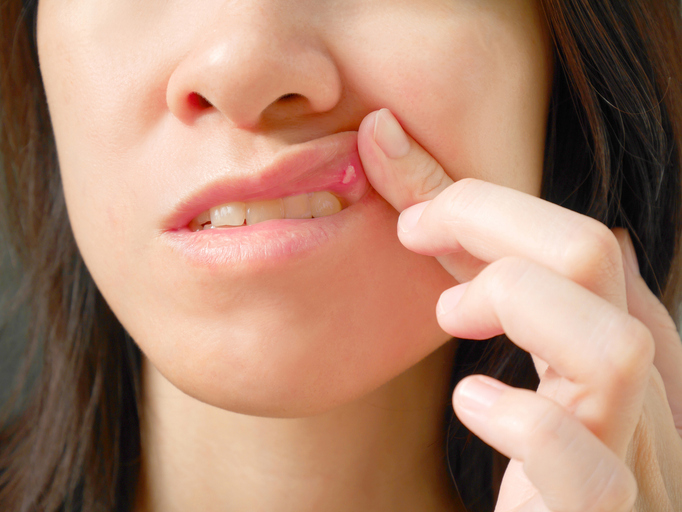
Ulcere della bocca
Mouth ulcers are common, painful sores inside the mouth that può make eating and drinking uncomfortable. They are usually harmless and often heal on their own, however, stress, hormones, or certain foods can trigger them. Mouth ulcers are painful sores that can occur anywhere inside the mouth. This leaflet is about the most common type of mouth.
Ulteriori letture e riferimenti
- peroxisomal biogenesis factor 7; MedlinePlus, National Library of Medicine.
- Braverman N, Chen L, Lin P, Obie C, Steel G, Douglas P, Chakraborty PK, Clarke JT, Boneh A, Moser A, Moser H, Valle D. Mutation analysis of PEX7 in 60 probands with rhizomelic chondrodysplasia punctata and functional correlations of genotype with phenotype. Hum Mutat. 2002 Oct;20(4):284-97. doi: 10.1002/humu.10124.
- Braverman N, Steel G, Lin P, Moser A, Moser H, Valle D. PEX7 gene structure, alternative transcripts, and evidence for a founder haplotype for the frequent RCDP allele, L292ter. Genomics. 2000 Jan 15;63(2):181-92. doi: 10.1006/geno.1999.6080.
- Braverman N, Steel G, Obie C, Moser A, Moser H, Gould SJ, Valle D. Human PEX7 encodes the peroxisomal PTS2 receptor and is responsible for rhizomelic chondrodysplasia punctata. Nat Genet. 1997 Apr;15(4):369-76. doi: 10.1038/ng0497-369.
- Braverman NE, Carroll R, Muss C, Fallatah W, Jain M. PEX7-Related Rhizomelic Chondrodysplasia Punctata. 2001 Nov 16 [updated 2025 Aug 7]. In: Adam MP, Bick S, Mirzaa GM, Wallace SE, Amemiya A, editors. GeneReviews(R) [Internet]. Seattle (WA): University of Washington, Seattle; 1993-2026. Available from http://www.ncbi.nlm.nih.gov/books/NBK1270/
- Jansen GA, Waterham HR, Wanders RJ. Molecular basis of Refsum disease: sequence variations in phytanoyl-CoA hydroxylase (PHYH) and the PTS2 receptor (PEX7). Hum Mutat. 2004 Mar;23(3):209-18. doi: 10.1002/humu.10315.
- Motley AM, Brites P, Gerez L, Hogenhout E, Haasjes J, Benne R, Tabak HF, Wanders RJ, Waterham HR. Mutational spectrum in the PEX7 gene and functional analysis of mutant alleles in 78 patients with rhizomelic chondrodysplasia punctata type 1. Am J Hum Genet. 2002 Mar;70(3):612-24. doi: 10.1086/338998. Epub 2002 Jan 7.
- Van den Brink DM, Brites P, Haasjes J, Wierzbicki AS, Mitchell J, Lambert-Hamill M, de Belleroche J, Jansen GA, Waterham HR, Wanders RJ. Identification of PEX7 as the second gene involved in Refsum disease. Adv Exp Med Biol. 2003;544:69-70. doi: 10.1007/978-1-4419-9072-3_9. No abstract available.
- van den Brink DM, Wanders RJ. Phytanic acid: production from phytol, its breakdown and role in human disease. Cell Mol Life Sci. 2006 Aug;63(15):1752-65. doi: 10.1007/s00018-005-5463-y.
- Wanders RJ, Komen JC. Peroxisomes, Refsum's disease and the alpha- and omega-oxidation of phytanic acid. Biochem Soc Trans. 2007 Nov;35(Pt 5):865-9. doi: 10.1042/BST0350865.
- Waterham HR, Wanders RJA, Leroy BP. Adult Refsum Disease. 2006 Mar 20 [updated 2021 Sep 30]. In: Adam MP, Bick S, Mirzaa GM, Wallace SE, Amemiya A, editors. GeneReviews(R) [Internet]. Seattle (WA): University of Washington, Seattle; 1993-2026. Available from http://www.ncbi.nlm.nih.gov/books/NBK1353/
Condividi i tuoi pensieri o esperienze con gli altri nel nostro comunità di pazienti.
Accesso semplice a trattamenti affidabili e servizi sanitari online.
Common conditions
Get help with common conditions through the NHS, without a GP appointment.
 Sinusite acuta
 Tonsillite batterica
 Impetigine
 Punture di insetti
 Fuoco di Sant'AntonioInfezioni delle vie urinarie (IVU)
Iscriviti alla newsletter di Patient
La tua dose settimanale di consigli sulla salute chiari e affidabili - scritti per aiutarti a sentirti informato, sicuro e in controllo.
Abbonandoti accetti i nostri Informativa sulla Privacy. Puoi annullare l'iscrizione in qualsiasi momento. Non vendiamo mai i tuoi dati.