Hyperphosphatemic familial tumoral calcinosis
Ultimo aggiornamento 18 Ago 2020
Rispetta le linee guida editoriali
- ScaricaScarica
- Condividi
- Language
- Discussione
- Versione audio
- Aggiungi alle fonti preferite su Google
Hyperphosphatemic familial tumoral calcinosis (HFTC) is a condition characterised by an increase in the levels of phosphate in the blood (hyperphosphatemia) and abnormal deposits of phosphate and calcium (calcinosis) in the body's tissues. Calcinosis typically develops in early childhood to early adulthood, although in some people the deposits first appear in infancy or in late adulthood. Calcinosis usually occurs in and just under skin tissue around the joints, most often the hips, shoulders, and elbows. Calcinosis may also develop in the soft tissue of the feet, legs, and hands. Rarely, calcinosis occurs in blood vessels or in the brain and can cause serious health problems. The deposits develop over time and vary in size. Larger deposits form masses that are noticeable under the skin and can interfere with the function of joints and impair movement. These large deposits may appear tumour-like (tumoral), but they are not tumours or cancerous. The number and frequency of deposits varies among affected individuals; some develop few deposits during their lifetime, while others may develop many in a short period of time.
Descrizione
Hyperphosphatemic familial tumoral calcinosis (HFTC) is a condition characterised by an increase in the levels of phosphate in the blood (hyperphosphatemia) and abnormal deposits of phosphate and calcium (calcinosis) in the body's tissues. Calcinosis typically develops in early childhood to early adulthood, although in some people the deposits first appear in infancy or in late adulthood. Calcinosis usually occurs in and just under skin tissue around the joints, most often the hips, shoulders, and elbows. Calcinosis may also develop in the soft tissue of the feet, legs, and hands. Rarely, calcinosis occurs in blood vessels or in the brain and can cause serious health problems. The deposits develop over time and vary in size. Larger deposits form masses that are noticeable under the skin and can interfere with the function of joints and impair movement. These large deposits may appear tumour-like (tumoral), but they are not tumours or cancerous. The number and frequency of deposits varies among affected individuals; some develop few deposits during their lifetime, while others may develop many in a short period of time.
Other features of HFTC include eye abnormalities such as calcium buildup in the clear front covering of the eye (corneal calcification) or angioid streaks that occur when tiny breaks form in the layer of tissue at the back of the eye called Bruch's membrane. Inflammation of the long bones (diaphysis) or excessive bone growth (hyperostosis) may occur. Some affected individuals have dental abnormalities. In males, small crystals of cholesterol can accumulate (microlithiasis) in the testicles, which usually causes no health problems.
A similar condition called hyperphosphatemia-hyperostosis syndrome (HHS) results in increased levels of phosphate in the blood, excessive bone growth, and bone lesions. This condition used to be considered a separate disorder, but it is now thought to be a mild variant of HFTC.
Modelli di ereditarietà
The source lists the following possible inheritance patterns: Autosomal recessive. More than one pattern can apply in different cases.
Related genes
Altri nomi
HFTC
Hyperphosphatemia hyperostosis
Hyperphosphatemia hyperostosis syndrome
Hyperphosphatemia tumoral calcinosis
Primary hyperphosphatemic tumoral calcinosis
Related patient information and medicines

Patient information leaflet
Iperparatiroidismo
Iperparatiroidismo occurs when too molto parathyroid hormone is released by the parathyroid glands in the neck. ...hyroidism is caused by cancer in one of the parathyroid glandsHowever, in a very small number of people, it can be the result of an inherited condition called familial isolated hyperparathyroidism. Also, rarely, it may be inherited.
Patient information leaflet
Sclerosi sistemica
In systemic sclerosis, you can also get hardening of some of your internal organs. This stops them working normally. Systemic sclerosis cannot be cured but there are various treatments which can help. Newer treatments have improved the outlook for this condition. There are two kinds of scleroderma: Localised scleroderma (also known as morphoea)..
Patient information leaflet
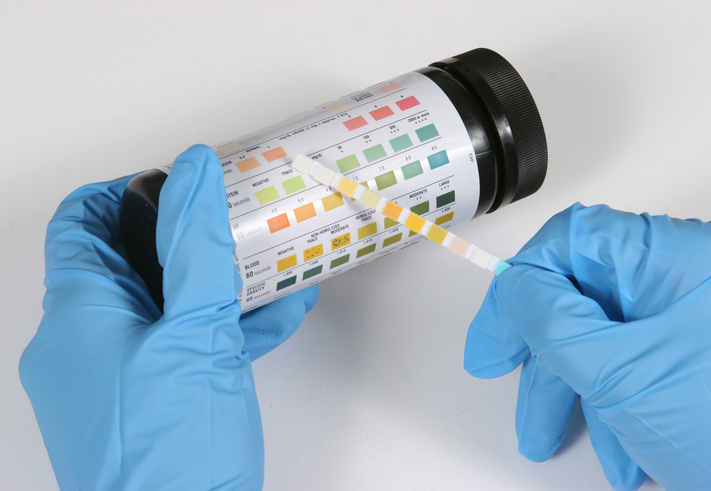
Test con striscia reattiva delle urine
A urine dipstick test tests the urina using a special strip of paper that is dipped into a sample of urine. The result is available almost immediately. It is sometimes called a rapid urine test. Urine contains waste chemicals from all of the millions of chemical reactions that go on in the body all the time. However, in some conditions, chemicals.

Patient information leaflet
Leucemia linfatica cronica
Leucemia linfatica cronica (LLC) is a condition where you have many abnormal B lymphocyte white blood cells. What is chronic lymphocytic leukaemia. Chronic lymphocytic leukaemia (CLL) is a condition where you have many abnormal B lymphocyte white blood cells. The lymphocytes look normal under a microscope but are abnormal as they do not.

Patient information leaflet
Pemfigo volgare
It is rare. Pemfigo volgare è more serious than most other blistering skin conditions. Before treatment became available, most people with the condition used to die soon after the disease started. These diffe... Pemfigo volgare è the most common form of pemphigus and one of the most serious blistering skin conditions. This leaflet is only.

Patient information leaflet
Geni BRCA
There are a few known gene changes (mutations) that can increase the risk of certain cancers, and tests available for some of them, including BRCA1 e BRCA2 gene mutations. The BRCA1 and BRCA2 genes normally protect against certain cancers, particularly breast cancer and ovarian cancer. If there is a mutation in one of these genes then this may.
Ulteriori letture e riferimenti
- Hyperphosphatemic familial tumoral calcinosis; MedlinePlus, National Library of Medicine.
- Carmichael KD, Bynum JA, Evans EB. Familial tumoral calcinosis: a forty-year follow-up on one family. J Bone Joint Surg Am. 2009 Mar 1;91(3):664-71. doi: 10.2106/JBJS.G.01512.
- Chefetz I, Sprecher E. Familial tumoral calcinosis and the role of O-glycosylation in the maintenance of phosphate homeostasis. Biochim Biophys Acta. 2009 Sep;1792(9):847-52. doi: 10.1016/j.bbadis.2008.10.008. Epub 2008 Oct 25.
- Farrow EG, Imel EA, White KE. Miscellaneous non-inflammatory musculoskeletal conditions. Hyperphosphatemic familial tumoral calcinosis (FGF23, GALNT3 and alphaKlotho). Best Pract Res Clin Rheumatol. 2011 Oct;25(5):735-47. doi: 10.1016/j.berh.2011.10.020.
- Ichikawa S, Baujat G, Seyahi A, Garoufali AG, Imel EA, Padgett LR, Austin AM, Sorenson AH, Pejin Z, Topouchian V, Quartier P, Cormier-Daire V, Dechaux M, Malandrinou FCh, Singhellakis PN, Le Merrer M, Econs MJ. Clinical variability of familial tumoral calcinosis caused by novel GALNT3 mutations. Am J Med Genet A. 2010 Apr;152A(4):896-903. doi: 10.1002/ajmg.a.33337.
- Sprecher E. Familial tumoral calcinosis: from characterization of a rare phenotype to the pathogenesis of ectopic calcification. J Invest Dermatol. 2010 Mar;130(3):652-60. doi: 10.1038/jid.2009.337. Epub 2009 Oct 29.
- Yancovitch A, Hershkovitz D, Indelman M, Galloway P, Whiteford M, Sprecher E, Kilic E. Novel mutations in GALNT3 causing hyperphosphatemic familial tumoral calcinosis. J Bone Miner Metab. 2011 Sep;29(5):621-5. doi: 10.1007/s00774-011-0260-1. Epub 2011 Feb 25.
Partecipa alla conversazione
Condividi i tuoi pensieri o esperienze con gli altri nel nostro comunità di pazienti.

Chiedi, condividi, connettiti.
Esplora le discussioni, fai domande e condividi esperienze su centinaia di argomenti di salute.
Iscriviti alla newsletter di Patient
La tua dose settimanale di consigli sulla salute chiari e affidabili - scritti per aiutarti a sentirti informato, sicuro e in controllo.
Abbonandoti accetti i nostri Informativa sulla Privacy. Puoi annullare l'iscrizione in qualsiasi momento. Non vendiamo mai i tuoi dati.