Come fare uno spuntino quando si ha il diabete
Revisione paritaria di Dr Colin Tidy, MRCGPUltimo aggiornamento di Victoria RawUltimo aggiornamento 2 lug 2025
Rispetta le linee guida editoriali
- ScaricaScarica
- Condividi
- Language
- Discussione
- Ask Patient
- Versione audio
- Aggiungi alle fonti preferite su Google
Ognuno ha bisogno di uno spuntino a volte. Ma se hai il diabete, è importante scegliere qualcosa che non abbia un grande effetto sui livelli di zucchero nel sangue. Gestire il diabete e fare spuntini non deve essere una sfida. Esploriamo i migliori spuntini per chi ha il diabete di tipo 1 e di tipo 2 e come evitare le ipoglicemie.
Iscriviti al nostro corso gratuito di 10 settimane sul diabete!
Ogni settimana esploreremo un argomento diverso per aiutarti a comprendere e gestire meglio il tuo diabete, inclusi la vita quotidiana e i farmaci, il benessere mentale, le ultime novità nella tecnologia per il diabete e la nutrizione.
Abbonandoti accetti i nostri Informativa sulla Privacy. Puoi annullare l'iscrizione in qualsiasi momento. Non vendiamo mai i tuoi dati.
At mealtimes, we can't always plan exactly how much food we need until the next meal. And if you have diabetes, it can be even trickier. But the aim of good diabetic control is to keep your sugar levels steady, so the ideal snack will satisfy your hunger, but be low in fat and sugar.
Fruit, biscuits, or cereal bars are useful, portable snacks. Always carry glucose tablets or gel or a non-diet soft drink too, to prevent low blood sugar (hypoglycaemia).
Snacking with type 1 diabetes
If you have type 1 diabetes, you may need to eat carbohydrate snacks during the day to help balance your blood sugar levels.
Hunger
Like anyone, if you have type 1 diabetes you might get hungry between meals. Low blood sugar is not the only cause of hunger, although it can trigger it.
If you take insulin twice a day then you are fairly likely to need to snack between meals to prevent a hypo. But if you take insulin with each meal then you won't usually need to snack. Your dietitian will be able to advise you.
Esercizio
You might need to snack before or after attività fisica - sometimes both. If you are on insulin and you are about to be very active, then it is usually best to snack before you start, particularly if your blood glucose is already low in your range.
If you are active for a while - such as in a match - you may need an additional snack part-way through. After you have finished being active, you will carry on using extra glucose for a while as you replace your stored 'rapidly accessible energy'. You may need additional carbohydrate at your next meal to compensate for this.
When snacks cause problems
It's easy to accidentally overcompensate if you have type 1 diabetes. Take three-year-old Mia* who has this condition. Her mum, Jenny, also has type 1 diabetes, and a history of having hypos at night, which frightened her.
Whenever Mia came to the diabetes clinic, her blood tests suggested that her control was very poor. The dietitian spent some time with Mia and her mum and discovered that Mia's chosen snack was a mini Mars bar. Because her Mum worried about night-time hypos, Mia always had one or two of these beside her bed. She liked them so much that she would eat them each night, and would often request extra during the day.
But even a small Mars bar is a big snack for a little girl, and not something she needed during the night if she wasn't having hypos. Mia wasn't very pleased at first but with reward and praise she was weaned off her late-night snacks and her control improved dramatically.
Snacking with type 2 diabetes
Persone con diabete di tipo 2 are resistant to insulin, rather than not being able to produce it. Those who are not on any medicine will not develop low blood sugar, so won't need to snack in the way that people with type 1 diabetes do.
If you take insulin or diabetes medicines that lower your blood glucose - particularly sulfoniluree tablets, which carry a much higher likelihood of hypos than other tablets - you may need a snack between meals in order to keep your blood sugar in the normal range.
Can your body mislead you?
Roy* is in his seventies, has type 2 diabetes and has always liked a plain digestive biscuit with his tea. He'd been on insulin for some years but had gradually put on weight, so needed a steadily increasing dose. Unfortunately, after a fall, he broke his foot and had to come into hospital as it wasn't healing.
It became obvious when Roy was on the ward that he was now eating half a packet of digestives every time he felt hypo, and this was happening two or three times a day. He insisted that it took this amount of biscuits to make the hypo feeling go away. He had tried fewer but it just didn't work.
The specialist diabetes nurse spent some time with Roy. For a couple of days she watched as he did things his way, but tested his blood sugars before and after the biscuits - when he felt hypo, and when he felt better. She was able to show him that his blood sugar was 12 when he felt low, and 17-18 when he felt better. Roy was having false hypo sensations because he was so accustomed to running high. It took some time for Roy to adjust back, but gradually his control improved, and he gave up digestive biscuits completely.
What should I snack on?
The key to snacking with diabetes is to choose snacks that are high in fibre, protein and healthy fats.
Snacks to eat
Veggies and hummus.
Yoghurt and berries.
Hard-boiled eggs.
Cottage cheese.
Handful of almonds.
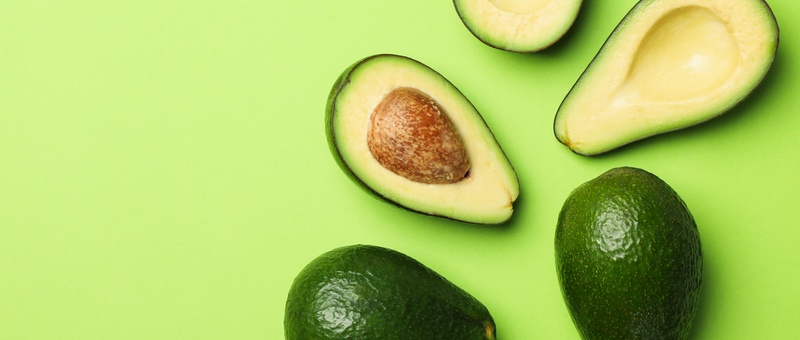
Avocado.
Apples and peanut butter.
Snacks to avoid
Generally speaking, if you have type 1 or type 2 diabetes, you should avoid high-fat, high-salt foods.
Questi includono:
Patatine.
Iced cakes.
Processed foods.
Foods high in refined sugars - such as sweets and fizzy drinks.
All carbohydrates increase your blood sugar. These include sugary carbs - found in sweets, sugary drinks, cakes and desserts, as well as in fruit - and starchy carbs - found in pasta, bread, cereals and starchy vegetables such as potatoes. However, low glycaemic index (GI) carbs are absorbed more slowly into your system and release energy more slowly too, so they reduce sharp rises in blood sugar.
Wholegrain and high-fibre foods have a lower GI than refined versions. Whole fruit contains carbs, but they're mixed in with fibre and broken down more slowly than standard sugar. That's why tinned fruit in syrup or fruit juice causes your blood sugar to rise faster than whole fruit.
But it's more complicated than that. For instance, wholemeal bread - where the whole grain is in the bread but has been ground up - is relatively high GI. The fat content of food affects its GI as well - so chocolate is medium GI despite all the sugar it contains. Protein also lowers GI, so milk and dairy products, which contain protein and fat, are low GI.
It's also important to remember that some low-carb foods are high in calories, and that a huge portion of low GI food will raise your blood sugar more than a small portion of the same food.
And you don't need special 'diabetic' snacks.
Diabetes UK advises against buying snacks marketed as 'diabetic'. These products are generally overpriced, with no unique health advantages. Try incorporating your preferred snacks into your daily diet, but be mindful of how much you eat.
Remember, if something tastes very sweet it may be high in sugar, and if something is deep-fried it is almost certainly high in fat.
How to make snacks more interesting
If you can keep a broad range of snack ingredients in your fridge and food cupboard, then you should be able to create healthy snacks that appeal to you out of your weekly shop.
Healthy snack ideas for people with diabetes include:
Milkshakes are simple and delicious. Just mix whole milk, a fruit of your choice and a few ice-cubes. Pour into a glass and enjoy.
Rather than pitta bread or bread sticks, dip carrot and cucumber sticks in your hummus.
If you can't resist a sandwich, try a Scandinavian-style open sandwich with 1 slice of whole grain rye bread rather than 2 and a high protein topping like chopped egg.
Instead of a chocolate bar, snack on 25 grams of almonds, which provide protein, 'good' fats and vitamins.
Instead of eating crisps, pop your own corn. Flavour with salt and pepper, a sprinkle of paprika or even a little finely grated parmesan.
Avocados are low in carbs - half an avocado provides just 1.5 grams of carbs. While the fat they contain is 'good' fat, they are high in calories - half an avocado has about 158 calories - so eat them in moderation.
Keep a couple of hard boiled eggs, high in protein to keep you feeling full, in the fridge. You can snack on one for under 70 calories and just 1.7 grams carbs.
*Names have been changed to protect identities.
La Dott.ssa Mary Lowth è un'autrice o l'autrice originale di questo opuscolo.
Scelte del paziente per Diabete mellito
Diabete
Le app possono davvero aiutare nella gestione del diabete?
La tecnologia spesso gioca un ruolo importante nel modo in cui gestiamo la nostra salute. Usiamo i tracker di fitness per registrare quanto esercizio facciamo. I contatori di calorie ci aiutano a tenere sotto controllo le nostre abitudini alimentari - e usiamo persino app per supportare il nostro benessere mentale. La tecnologia può anche supportarci nella gestione di condizioni di salute più specifiche come il diabete. Ma come funzionano queste app - e possono davvero aiutare?
di Lydia Smith

Diabete
Video: Qual è la differenza tra il diabete di tipo 1 e il diabete di tipo 2?
While they're both technically under the umbrella of diabetes, type 1 and type 2 are very different conditions which require a distinct set of treatments. We've looked at some of the main questions people have around each.
di Dr Sarah Jarvis
Informazioni sull'autoreVisualizza il profilo completo
Aggiornato da

Victoria Raw
Scrittore di articoli
Laurea in Lettere (Hons), Letteratura Inglese
Victoria è una scrittrice di contenuti presso Patient, con interessi speciali che spaziano dal benessere mentale, alle tendenze sociali e all'impatto della tecnologia sulla nostra salute.
Autore
Dr Mary Harding, MRCGP
Medico di base, Autore medico
BA, MA, MB, BChir, MRCGP, DFFP
La Dott.ssa Mary Harding si è laureata alla facoltà di medicina dell'Università di Cambridge nel 1989.
Informazioni sul recensoreVisualizza il profilo completo

Dr Colin Tidy, MRCGP
Medico di base, Autore medico
MBBS, MRCGP, MRCP (Paediatrics), DCH
Il Dr Colin Tidy è un medico del NHS, con sede nell'Oxfordshire.
Storia dell'articolo
Articolo disponibile anche in Inglese, Tedesco, Spagnolo, Francese, Italiano, Portoghese, Hindi, Ebraico, Arabo, and Svedese.
Prossima revisione prevista: 2 Lug 2028
2 lug 2025 | Ultima versione
15 May 2018 | Pubblicato originariamente
Autore:
Dr Mary Harding, MRCGP
Condividi i tuoi pensieri o esperienze con gli altri nel nostro comunità di pazienti.
Iscriviti alla newsletter di Patient
La tua dose settimanale di consigli sulla salute chiari e affidabili - scritti per aiutarti a sentirti informato, sicuro e in controllo.
Abbonandoti accetti i nostri Informativa sulla Privacy. Puoi annullare l'iscrizione in qualsiasi momento. Non vendiamo mai i tuoi dati.