
Come evitare i pidocchi al ritorno a scuola
Revisione paritaria di Dr Sarah JarvisAutore Kerry Taylor-SmithPubblicato originariamente 23 Ago 2018
Rispetta le linee guida editoriali
- ScaricaScarica
- Condividi
- Language
- Discussione
- Ask Patient
- Versione audio
- Aggiungi alle fonti preferite su Google
È il giorno per cui ti sei preparato: tuo figlio inizia la scuola. Lo mandi via con la sua uniforme immacolata e le scarpe lucide insieme al suo enorme nuovo zaino. Tutto va secondo i piani, anche se con qualche lacrima - tu, non loro - e adorano assolutamente la scuola. Qualche settimana dopo, ricevi l'email temuta: sono stati segnalati pidocchi - non eri preparato per questo.
Explore head lice treatments
Get expert healthcare advice from the comfort of home. Complete a quick online consultation, available 24/7, with your request reviewed by a UK-registered clinician. Next day delivery available on eligible treatments.

Scelte video per Infezioni infantiliVideo library
You frantically start searching your child's hair, combing back and forth in search of ... what exactly?
You'll be looking for two things - lice and nits. Although the two terms are often used to mean the same thing, they aren't. Lice are small grey-brown insects that cling to the hair close to the scalp while nits are the empty yellow-white shells left after their eggs have hatched.
Lice feed on the blood from your scalp. Many people think their biting causes the itching that often alerts you to their presence - it's actually the skin's reaction to the louse saliva. During their stay, lice will lay eggs on strands of hair, which take around seven to 10 days to hatch. A baby louse will reach adulthood in seven to 10 days and begin laying its own eggs.
Come diagnosticare
"To diagnose a case of head lice, you need to find them alive. Lice range in size from a full stop to a sesame seed and they remain close to the scalp; however, you will need to check all over from the back of the head to behind the ears and under the fringe," explains head lice expert Ian Burgess, director of the Medical Entomology Centre.
Head lice are incredibly common and it's likely that your child will experience them several times while at school. Lice require close hair-to-hair contact to walk from one head to another, so unfortunately, they tend to be more common in girls, especially with long hair which isn't tied back.
"It has been estimated that between 10% and 20% of UK children have head lice at any one time, according to a survey by Hedrin," says pharmacist Daniel Brash, managing director of Healthcare4all. "As they're so common it's nothing to feel embarrassed about. Head lice are no reflection on the cleanliness of your child - lice aren't choosy, as long as there's hair they'll want to live there."
Getting rid of it
Your child's hair is covered in these little sesame seed-sized lice - what next? There a few tried-and-tested methods for ridding your child of head lice, and numerous products lining the shelves of the local pharmacy - but what actually works?
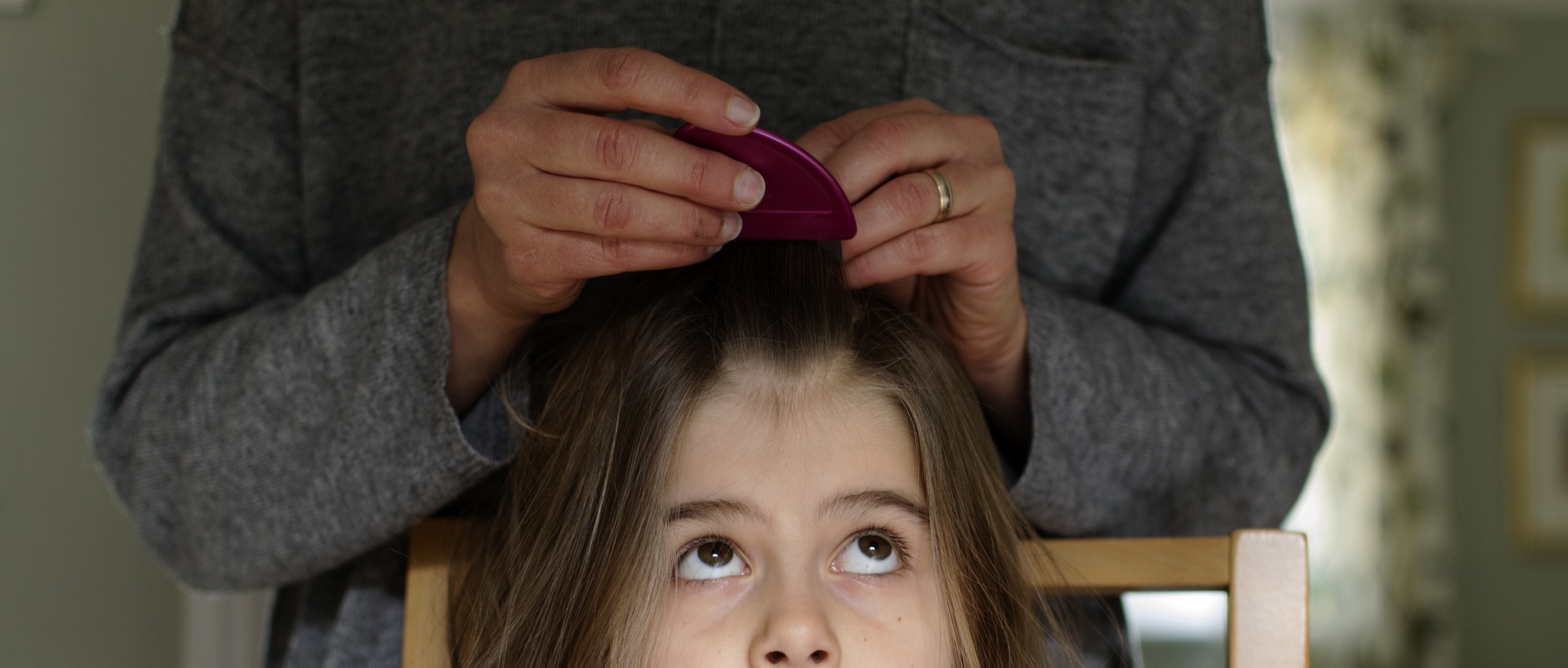
"Head lice can be treated without seeing your GP," says Dr Zubair Ahmed of MedicSpot GP. "I would recommend treating head lice as soon as you detect any live ones - finding eggs alone doesn't necessarily mean your child is still infested, so don't treat at this stage. If you see eggs, check for live lice by wet combing, which involves using a fine-toothed comb through wet hair with conditioner. Comb all hair from roots to the ends and repeat every few days for a couple of weeks to ensure all head lice are removed. This usually takes around 10 minutes for those with short hair but can take up to half an hour for those with long, frizzy or curly hair.
"If after two weeks your child is still struggling with head lice, I would recommend using a medicated lotion or spray to kill the lice. This treatment should kill all live lice within a day and might need to be repeated after a week to kill any newly hatched lice."
If your child has head lice, everyone in the household should be checked for lice and treated at the same time as your child if live lice are still around after two weeks.
Is 'natural' treatment best?
Many parents opt to physically remove the lice, using traditional nit combs, while others choose to use a treatment from a pharmacy. If this is the case, the advice is to avoid those containing insecticides, as research shows lice are becoming resistant to pyrethrins and permethrins - the main ingredients in over-the-counter treatments. Instead, a pharmacist might recommend one of the many non-pesticide lotions and shampoos such as Hedrin, Lyclear or Full Marks Solution, which are thought to be effective in around 80-90% of cases.
"You should use a non-pesticide treatment that smothers the lice instead of poisoning them. Research suggests that lice have become resistant to traditional pesticide treatments so they are less effective although most people do use a non-pesticide product these days," says Burgess.
"Home remedies are sometimes used by parents, such as dosing the hair in vinegar, mayonnaise and olive oil; however, none of these is clinically proven to eradicate lice. If you are unsure about what treatment to use, speak to your pharmacist."
Experts are divided over whether preventative medicated lotions and sprays can actually avert infestations. Some claim to protect children from the parasites by breaking the life cycle and killing lice before an infestation can be established but Ahmed believes such sprays can irritate the scalp and would not recommend these to his patients.
Be vigilant
It is impossible to protect against head lice entirely but there are ways you can minimise the chance of any repeat infestations, including tying back long hair, avoiding or minimising head-to-head contact, and checking and treating family members if necessary. The key is to be vigilant; check your children's hair regularly to catch and treat any lice early on before they get the chance to lay eggs.
Scelte del paziente per Infezioni infantili
Salute dei bambini
I migliori modi per eliminare i pidocchi
Sono difficili da individuare e stanno diventando sempre più difficili da trattare; quasi il 50% dei bambini nel Regno Unito ha avuto i pidocchi negli ultimi cinque anni. Ma non disperare – la battaglia potrebbe diventare più dura, ma puoi ancora vincere la guerra contro i pidocchi.
di Danny Chadburn

Salute dei bambini
Dovrebbero essere le scuole o i genitori a combattere i pidocchi?
Le ultime cifre suggeriscono che quasi il 70 per cento dei bambini delle scuole primarie avrà i pidocchi, con grande disperazione dei loro genitori. Quindi, le scuole dovrebbero avere un ruolo maggiore nella lotta contro i pidocchi? Oppure la responsabilità ricade sui genitori? Esaminiamo entrambi i lati dell'argomento.
di Danny Chadburn
Informazioni sull'autoreVisualizza il profilo completo
Autore

Kerry Taylor-Smith
Giornalista freelance
Laurea in Scienze Naturali (con lode)
Kerry è una scrittrice, editor e correttore di bozze freelance dal 2016; si specializza in argomenti legati alla scienza e alla salute.
Informazioni sul recensoreVisualizza il profilo completo

Dr Sarah Jarvis
Consulente Clinico
MA (Cantab), BM, BCh (Oxon), DRCOG, FRCGP, MBE
Dopo aver completato la formazione in medicina a Cambridge e Oxford, la Dott.ssa Sarah Jarvis MBE è diventata un medico di base.
Storia dell'articolo
Articolo disponibile anche in Inglese, Tedesco, Spagnolo, Francese, Italiano, Portoghese, Hindi, Ebraico, Arabo, and Svedese.
23 Ago 2018 | Pubblicato originariamente
Autore:
Kerry Taylor-SmithRevisione paritaria di
Dr Sarah Jarvis
Condividi i tuoi pensieri o esperienze con gli altri nel nostro comunità di pazienti.
Iscriviti alla newsletter di Patient
La tua dose settimanale di consigli sulla salute chiari e affidabili - scritti per aiutarti a sentirti informato, sicuro e in controllo.
Abbonandoti accetti i nostri Informativa sulla Privacy. Puoi annullare l'iscrizione in qualsiasi momento. Non vendiamo mai i tuoi dati.