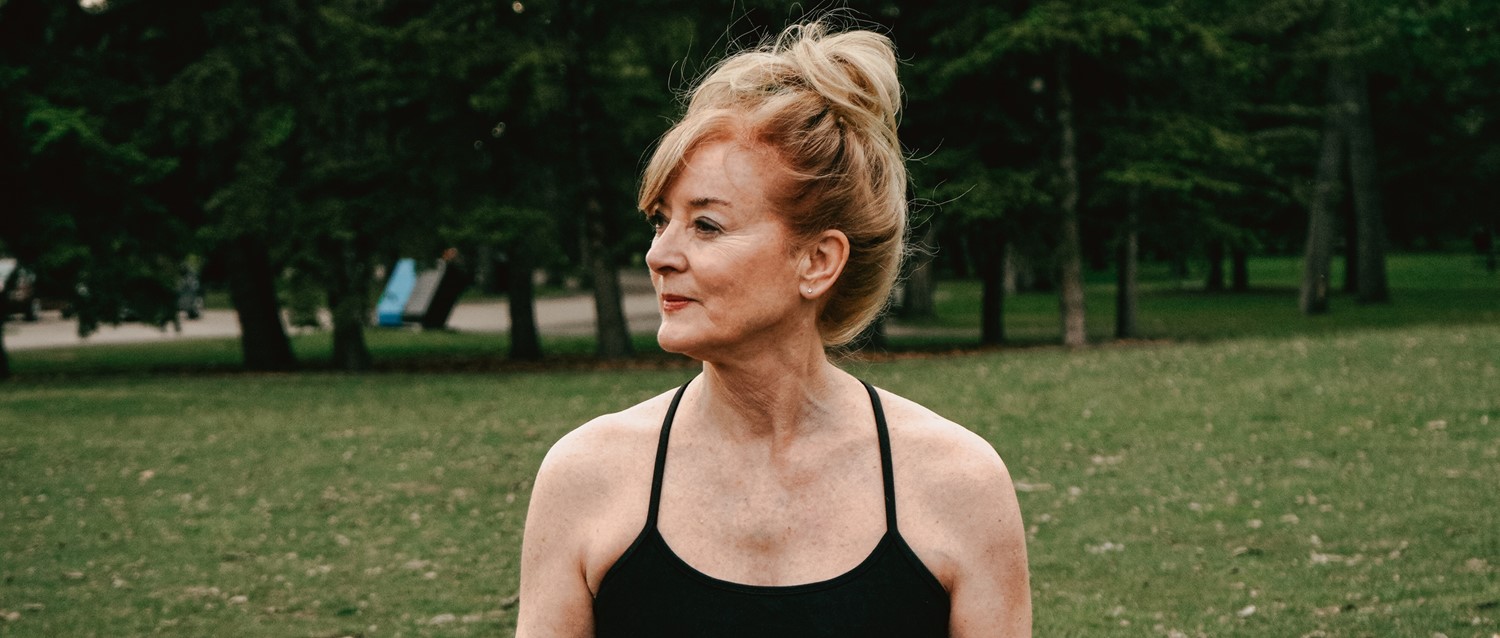
Come la fisioterapia può aiutare le persone con problemi polmonari
Revisione paritaria di Dr Sarah JarvisAutore Allie AndersonPubblicato originariamente 5 Feb 2020
Rispetta le linee guida editoriali
- ScaricaScarica
- Condividi
- Language
- Discussione
- Ask Patient
- Versione audio
- Aggiungi alle fonti preferite su Google
Lung conditions can affect every part of someone's life and well-being, from movement to socialising. For people affected, experts recommend pulmonary physiotherapy to help manage and improve the condition. So how exactly does it work, and how could it benefit you?
When Carol Liddle was diagnosed with malattia polmonare ostruttiva cronica (COPD) five years ago, she was left bewildered and unsure what her future would hold.
At just 54, Carol had experienced symptoms for a while and was finding herself gradually less able to do everyday things that she'd previously taken for granted, because she was getting out of breath quickly and easily.
COPD describes a group of lung conditions in which the airways are narrowed, making it difficult to expel air from the lungs. People with COPD, like Carol, experience mancanza di respiro on exertion - and this could be gentle, everyday activity like just walking on the flat, climbing stairs or doing housework.
Thankfully for Carol, she was told about a type of specialised physiotherapy for people with respiratory conditions, called pulmonary rehabilitation (PR).
"The practice nurse said it would help me understand my diagnosis and help me find ways to be able to do more," Carol explains. "I was referred by the nurse at diagnosis and was incredibly lucky enough to be accepted on to the six-week course within six weeks from referral."
Che cos'è la riabilitazione polmonare?
This specially designed treatment - usually run by physiotherapists but often involving respiratory nurses and occupational therapists - can help anyone with breathing difficulties to move around more easily and achieve improvements in functional activity, PR specialist physiotherapist Lauren Hogg explains.
"It can really help people to walk further, climb stairs more easily, feel better about themselves and feel more in control of their breathlessness," she says. "The sessions are for groups of people who all experience similar symptoms from their lung problems. It's usually a six- to eight-week course and sessions are held twice a week.
Each session involves moderate opzioni di esercizio that's appropriate for the people taking part, so it challenges them without pushing them too far. The exercises are designed to strengthen the leg muscles in particular - for example, through walking, cycling on a static bike, and doing step-ups.
Other exercises target the arm muscles and core, and together, the sessions are aimed at gradually building people's fitness. But equally important is learning how to manage the symptoms of lung disease.
"A good pulmonary rehab course is a combination of education about your lung disease, breathing techniques and when to use them for best effects, and relaxation techniques," Carol says.
"So much of the problem can be down to panic and ansia, so it's really important to understand that although you're going to get breathless, you can deal with the situation. Learning all these things gives you much more understanding and control over your symptoms and emotions."
Seeing benefits
It's not uncommon for people with severe lung conditions, like COPD, to get trapped in a cycle of inactivity, l'isolamento and worsening breathlessness.
You get out of breath, so you tend to shy away from doing any kind of activity, which means you're less likely to go out and move around. As a result, you lose strength and fitness, which in turn can exacerbate your symptoms.
Completing a course of PR helps people with lung conditions in many ways, and can support them in breaking this cycle. "They are able to walk further, and breathe more easily when they move around or exert themselves, and are able to manage daily activities more comfortably," Hogg says.
"After PR, people feel more confident to manage their breathlessness and be more active. They feel less anxious or worried about getting breathless, and some people say it has changed their lives and they wish they'd done it so much earlier."
This was certainly Carol's experience. Five years later, she uses the knowledge and skills she gained in the PR course and the exercises it taught her.
"I cannot think of any intervention that gives you so much in ways of improving your symptoms and well-being," Carol says. "I would recommend everyone who has a lung condition to do one of these courses - it will be the most important step towards feeling and living better they can take."
Access for all
According to Hogg, anyone who has a lung disease and who is bothered by breathlessness could be a candidate for respiratory physiotherapy, as long as they don't have any kind of physical condition that restricts their movement, such as significant mal di schiena or problems with articolazioni or muscles.
"That would mean you wouldn't be able to participate in the exercise programme sufficiently to get the benefit," she comments. "Apart from that, people need to be able to walk at least 10 metres unaided, be able to access the venue regularly for the duration of the course, and be motivated to participate."
You can even take part if you use oxygen to help you breathe; every small bit of manageable activity can help to improve your symptoms.
You can find out more about pulmonary rehabilitation and how to find courses in your area from the British Lung Foundation.
Scelte del paziente per Fisioterapia

Trattamenti e farmaci
Hai bisogno di fisioterapia dopo una sostituzione articolare?
La chirurgia di sostituzione articolare è molto comune nel Regno Unito. Nel 2018 sono state eseguite oltre 252.000 sostituzioni articolari, circa 10.000 in più rispetto all'anno precedente. Quindi, come si recuperano le persone da questi interventi? E quanto è importante la fisioterapia?
di Allie Anderson
Trattamenti e farmaci
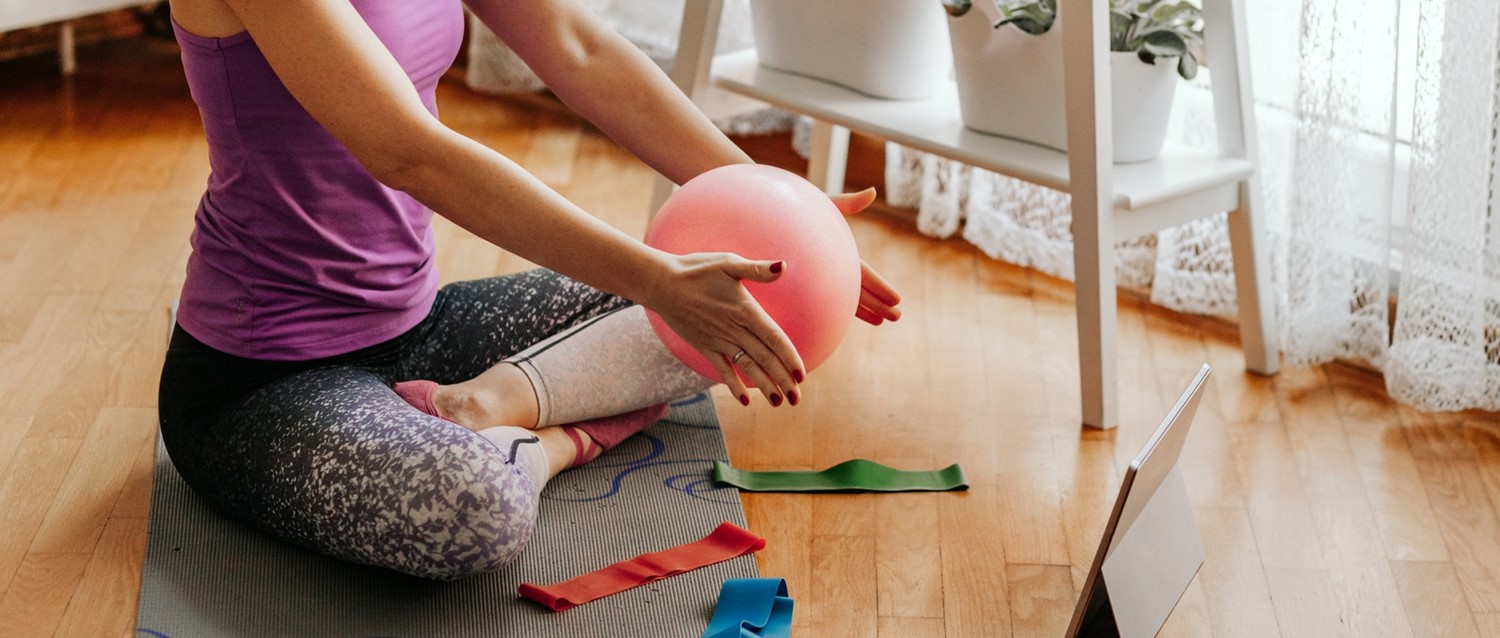
Che cos'è la fisioterapia video e a chi può essere utile?
Proprio come altri professionisti sanitari, molti fisioterapisti si sono spostati verso la fornitura online dei loro servizi durante la pandemia di coronavirus. In precedenza dominio esclusivo degli appassionati di tecnologia e dei professionisti lungimiranti, le consulenze video per ogni tipo di disturbo stanno ora diventando parte della 'nuova normalità'. Ma cosa comporta esattamente, e i progressi nella fornitura digitale potrebbero sostituire la fisioterapia tradizionale come la conosciamo?
di Allie Anderson
Informazioni sull'autoreVisualizza il profilo completo
Autore

Allie Anderson
Freelance Journalist
NCTJ
Allie Anderson è una giornalista qualificata NCTJ con molti anni di esperienza nella scrittura e nell'editing per una varietà di editori.
Informazioni sul recensoreVisualizza il profilo completo

Dr Sarah Jarvis
Consulente Clinico
MA (Cantab), BM, BCh (Oxon), DRCOG, FRCGP, MBE
Dopo aver completato la formazione in medicina a Cambridge e Oxford, la Dott.ssa Sarah Jarvis MBE è diventata un medico di base.
Storia dell'articolo
Articolo disponibile anche in Inglese, Tedesco, Spagnolo, Francese, Italiano, Portoghese, Hindi, Ebraico, Arabo, and Svedese.
5 Feb 2020 | Pubblicato originariamente
Autore:
Allie AndersonRevisione paritaria di
Dr Sarah Jarvis
Condividi i tuoi pensieri o esperienze con gli altri nel nostro comunità di pazienti.
Iscriviti alla newsletter di Patient
La tua dose settimanale di consigli sulla salute chiari e affidabili - scritti per aiutarti a sentirti informato, sicuro e in controllo.
Abbonandoti accetti i nostri Informativa sulla Privacy. Puoi annullare l'iscrizione in qualsiasi momento. Non vendiamo mai i tuoi dati.