
Green eyes
Jealousy: what is it, where does it come from and how to deal with these emotions.
Autore Thomas Andrew Porteus, MBCSPubblicato originariamente 29 Mar 2026
Rispetta le linee guida editoriali
- ScaricaScarica
- Condividi
- Language
- Discussione
- Versione audio
- Aggiungi alle fonti preferite su Google
Have you ever had that knot in your stomach when your partner is spending a lot of time with someone else, or that emotional reaction when a colleague gets promoted over you? Then it’s likely you’ve experienced this week’s topic: jealousy.
In this episode, Clare and Aileen discuss what jealousy is, where it comes from and tips on what you can do about it. They will give you a set of tools to help you work with your jealous emotions in a better way when you feel them welling up inside you.
Jealousy can be an uncomfortable emotion. We might feel threatened by a partner's friendships, worry about someone else's success at work, or become convinced that something is happening when we don't have all the facts. In this episode, Clare and Aileen explore jealousy, where it comes from, how it can affect relationships and what we can do when those familiar “green eyes” appear.
Jealousy or envy?
Clare offers a simple distinction: jealousy is wanting to keep what you have, while envy is wanting what someone else has. Jealousy can arise when something we value feels under threat – whether that's a partner, a job or our place within a group.
But jealousy is also a surprisingly taboo emotion. We may feel that we're not supposed to experience it, particularly when we're expected to be happy for someone else. Aileen reflects on experiencing jealousy when fellow actors began getting agents and jobs after drama school, and how suppressing those feelings could create distance between people.
What is jealousy telling us?
Rather than treating jealousy as evidence that we're a bad person, Clare and Aileen consider what might be underneath it. Jealousy can involve fear, insecurity, anger or low self-esteem. When we rely on external things – such as a relationship, a job or other people's approval – to prove our worth, we may become particularly vulnerable to feelings of jealousy.
In intimate relationships, this can become complicated. If one partner feels threatened by the other's friendships, hobbies or activities, they may try to change their behaviour to prevent jealousy. Over time, this can affect both people's freedom and sense of themselves within the relationship.
When jealousy becomes about control
The episode distinguishes between different forms of jealousy, including reactive jealousy, which follows something that has actually happened, and suspicious jealousy, which is driven by thoughts and distrust rather than evidence.
Suspicious jealousy can lead to behaviours such as checking a partner's phone, going through their belongings or invading their privacy in an attempt to find proof. Clare emphasises that even within an intimate relationship, both people are entitled to privacy.
The podcast also touches on pathological jealousy, which Clare distinguishes from the everyday jealousy being discussed in the episode and describes as being in a more serious mental-health context.
Pause before you act
One of the key suggestions is simple: notice the feeling before acting on it.
Instead of immediately checking a phone, confronting a partner or calling a friend for reassurance, Clare suggests taking a moment to pause, breathe and notice where the feeling is showing up in the body. This creates some space between experiencing jealousy and acting on it.
From there, curiosity can be useful. What exactly are you jealous of? Is it the time your partner is spending elsewhere? Their friendships? Something they can do that you can't? Or is the jealousy revealing something that you want more of in your own life?
Sometimes, the answer may be that you simply want more quality time together. At other times, jealousy might highlight that you've lost touch with your own hobbies, friendships or interests.
Don't mistake a feeling for a fact
Jealousy can make our thoughts feel certain. We can construct a story around a partner coming home late, a colleague getting a promotion or someone else receiving attention, and then start looking for evidence that proves our story is true.
Clare and Aileen explore the value of questioning those assumptions. Instead of immediately deciding that something is true, we can ask: “Is it true?”, “Is it absolutely true?” o anche “Is it true, false, or don't know?”
Being able to sit with “I don't know” can be difficult, particularly when jealousy is driving us to find certainty. But allowing some uncertainty can stop assumptions becoming facts in our minds.
Getting curious about the green eyes
Ultimately, the conversation suggests that jealousy can be treated as information rather than something to be ashamed of. The feeling itself isn't necessarily the problem; what we attach to it and what we do with it can create difficulties.
Clare describes these uncomfortable emotions as potentially offering something to notice and understand. Instead of pushing jealousy away, we can ask: Why are you here? What are you showing me that I haven't noticed?
And when jealousy has led us to behave in ways we regret, self-compassion matters too. Clare emphasises that we're all works in progress and that jealousy can have a back story, including experiences from childhood, sibling relationships, parenting or school. Recognising that history can help us understand what has been activated in the present.
Scelte del paziente per Il Podcast su Sesso e Relazioni
Podcast
Friendship matters
Friends - those people we collect through life often taken for granted but can be so important to us. In this episode Clare and Aileen turn their attention to friendships. What are they, how do we make them, what do they bring and where they can go wrong? So, if you’ve ever felt guilty for neglecting a friendship, been baffled by a falling out or wondered why some friends bring out the best in you and others don’t. This one is for you.
di Thomas Andrew Porteus, MBCS
Podcast
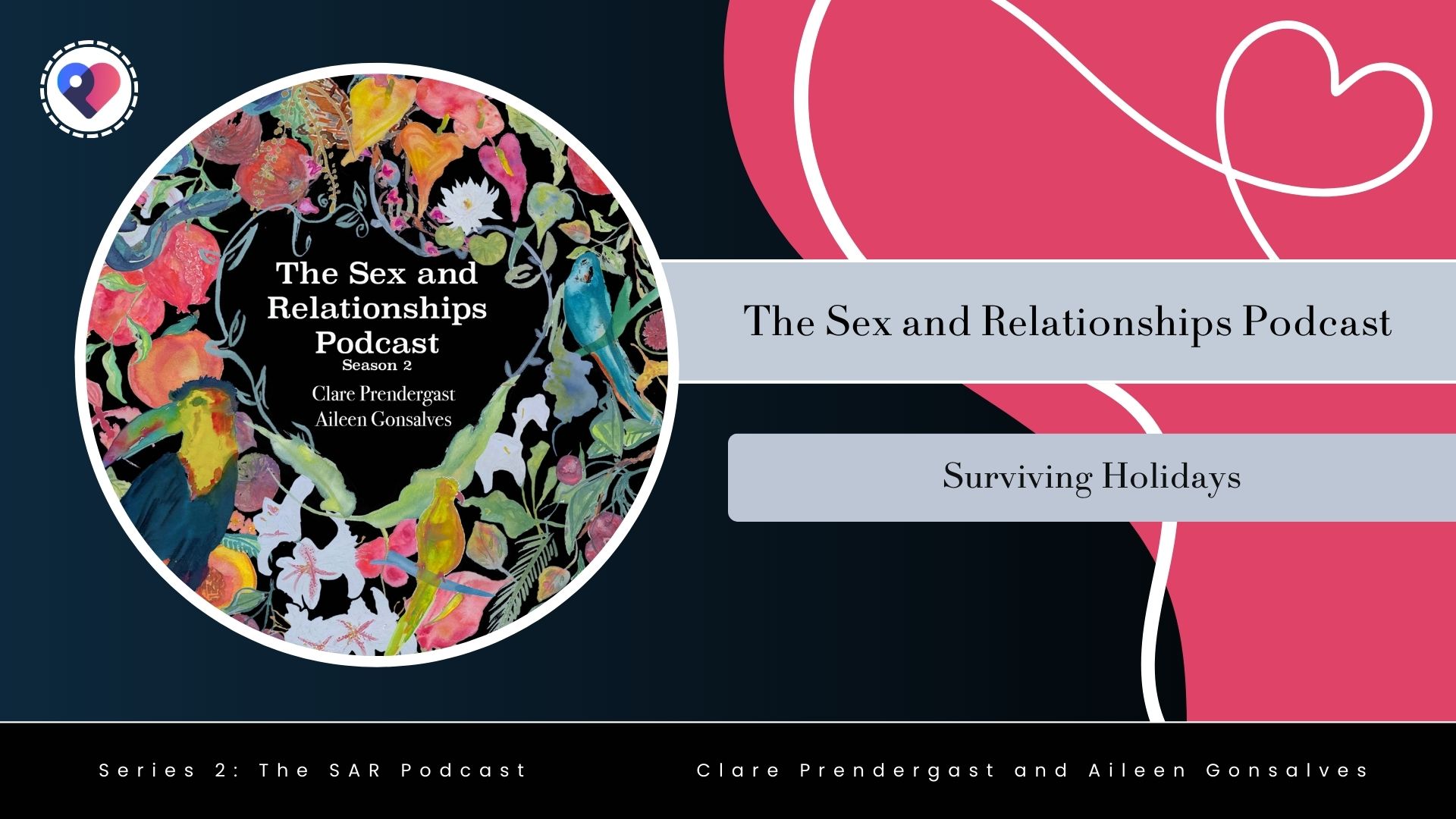
Sopravvivere alle festività
Vacanze, Ringraziamento, Natale, compleanni - quei momenti speciali e meravigliosi di cui sogniamo. Ma se ti sei mai allontanato da una cena di Natale o da una festa in famiglia chiedendoti cosa sia andato storto - questo podcast fa per te.
di Thomas Andrew Porteus, MBCS
Informazioni sull'autoreVisualizza il profilo completo
Autore

Thomas Andrew Porteus, MBCS
SaluteTech
MBCS
Thomas scrive per informare, ispirare e attrezzare i leader delle pratiche e i professionisti della salute che affrontano il cambiamento, attingendo a due decenni di lavoro pratico nel sistema sanitario del Regno Unito.
Partecipa alla conversazione
Condividi i tuoi pensieri o esperienze con gli altri nel nostro comunità di pazienti.

Chiedi, condividi, connettiti.
Esplora le discussioni, fai domande e condividi esperienze su centinaia di argomenti di salute.

Non ti senti bene?
Valuta i tuoi sintomi online gratuitamente
Iscriviti alla newsletter di Patient
La tua dose settimanale di consigli sulla salute chiari e affidabili - scritti per aiutarti a sentirti informato, sicuro e in controllo.
Abbonandoti accetti i nostri Informativa sulla Privacy. Puoi annullare l'iscrizione in qualsiasi momento. Non vendiamo mai i tuoi dati.