Blood groups and types
Peer reviewed by Dr Colin Tidy, MRCGPLast updated by Dr Rosalyn Adleman, MRCGPLast updated 20 Jun 2023
Meets Patient’s editorial guidelines
- DownloadDownload
- Share
- Language
- Discussion
- Audio Version
- Add to preferred sources on Google
In this series:Blood testsBlood tests to detect inflammationCoombs testFull blood count and blood film
ABO and rhesus are both types of antigens found on the surface of red blood cells. There are lots of other types but these are the most important.
At a glance
Your blood group is determined by antigens on your red blood cells.
ABO and rhesus are the most important blood group systems.
Blood groups are identified by testing a blood sample.
Knowing your blood group is important for transfusions and pregnancy.
If you are pregnant and rhesus negative, your baby may need monitoring.
Donating blood is an easy way to find out your blood group.
The main reasons to know your blood group are if you need to have a blood transfusion or if you are pregnant.
What is a blood group?
Red blood cells (erythrocytes) have certain proteins on their surface, called antigens. Also, your plasma contains antibodies which will attack certain antigens if they are present.
ABO and rhesus are both types of antigens found on the surface of red blood cells. There are lots of other types but these are the most important.
ABO blood types
These were the first type discovered.
If you have type A antigens on the surface of your red blood cells, you also have anti-B antibodies in your plasma.
If you have type B antigens on the surface of your red blood cells, you also have anti-A antibodies in your plasma.
If you have type A and type B antigens on the surface of your red blood cells, you do not have antibodies to A or B antigens in your plasma.
If you have neither type A nor type B antigens on the surface of your red blood cells, you have anti-A and anti-B antibodies in your plasma.
It is not known what the functions of the A and B antigens are. People who don't have either (blood group O) are still just as healthy. There is some evidence that people of different blood groups may be more or less susceptible to certain diseases - for example, blood clots in the blood vessels (thromboembolism) and malaria. There is no evidence that people with different blood groups should follow different diets.
Rhesus types
Most people are 'rhesus positive'. This means they have rhesus antigens on their red blood cells. But, about 3 in 20 people do not have rhesus antibodies and are said to be 'rhesus negative'.
Blood group names
Your blood group depends on which antigens occur on the surface of your red blood cells. Your genetic make-up, which you inherit from your parents, determines which antigens are present on your red blood cells. Your blood group is said to be:
A+ (A positive) if you have A antigens and rhesus antigens.
A− (A negative) if you have A antigens but don't have rhesus antigens.
B+ (B positive) if you have B antigens and rhesus antigens.
B− (B negative) if you have B antigens but don't have rhesus antigens.
AB+ (AB positive) if you have A antigens, B antigens and rhesus antigens.
AB− (AB negative) if you have A antigens and B antigens but don't have rhesus antigens. This is the rarest blood group in the UK.
O+ (O positive) if you have neither A nor B antigens but you do have rhesus antigens. This is the commonest blood group in the UK.
O− (O negative) if you don't have A, B or rhesus antigens.
Other blood types
There are many other types of antigens which may occur on the surface of red blood cells. However, most are classed as 'minor' and are not as important as ABO and rhesus.
How is blood group testing done?
Basically, a sample of your blood is mixed with different samples of plasma known to contain different antibodies. For example, if plasma which contains anti-A antibodies makes the red cells in your blood (erythrocytes) clump together, you have A antigens on your blood cells. Or, if plasma which contains rhesus antibodies makes the red cells in your blood clump together, you have rhesus antigens on your blood cells.
By doing a series of such tests it is possible to determine what antigens are on your red blood cells and therefore determine your blood group. Routine blood grouping checks for your ABO and rhesus status. Other red cell antigens are tested for in certain other situations.
Blood transfusions and cross-matching
If you have a blood transfusion, it is vital that the blood you receive is well matched (compatible) with your own. For example, if you receive blood from a person who is A positive and you are B positive then the anti-A antibodies in your plasma will attack the red blood cells (erythrocytes) of the donated blood.
This causes the red cells of the donated blood to clump together. This can cause a serious or even fatal reaction in your body. Therefore, before a blood transfusion is done, your blood group is tested. Then a donor bag of blood is selected with the same ABO and rhesus blood group as yourself.
Then, to make sure there is no incompatibility, a small sample of your blood is mixed with a small sample of the donor blood. After a short time the mixed blood is looked at under a microscope to see if there has been any clumping of blood. If there is no clumping, then it is safe to transfuse the blood.
Blood groups and pregnancy
A blood group test is always done on pregnant women. If the mother is rhesus negative and the unborn baby is rhesus positive (inherited from a rhesus positive father) then the mother's immune system may produce anti-rhesus antibodies.
These may attack and destroy the baby's blood cells. This is rarely a problem in a first pregnancy. However, without treatment, this can become a serious problem in subsequent pregnancies, as the mother's immune system will be 'sensitised' after the first pregnancy. This is called rhesus disease, but it is rare nowadays as it can be prevented with injections of a medicine called anti-D immunoglobulin.
Donating blood
Giving blood is simple and saves lives. The blood transfusion service needs people of all blood groups to donate blood, but especially if you have one of the rarer blood groups. By donating blood, you will find out what blood group you are.
Patient picks for Blood tests
Tests and investigations
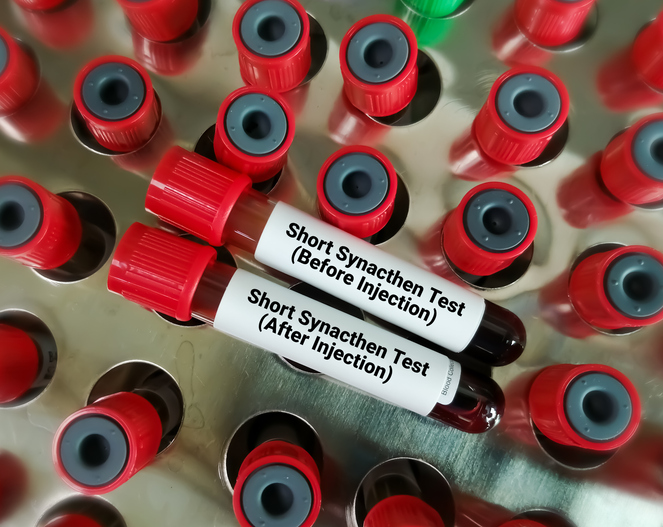
Synacthen test
A synacthen test checks the function of the adrenal glands. It can help to see whether the adrenal glands are producing enough steroid hormone (cortisol). Note: the information below is a general guide only. The arrangements, and the way tests are performed, often vary between different hospitals. Always follow the instructions given by your doctor or local hospital.
by Dr Philippa Vincent, MRCGP
Tests and investigations
Routine kidney function blood test
There are various different ways of measuring how well the kidneys are working. The most common way is by measuring a substance called creatinine with a blood test, and calculating something called the estimated glomerular filtration rate (eGFR). Usually, other substances such as urea and salts in the blood (potassium and sodium) are measured as well.
by Dr Doug McKechnie, MRCGP
Frequently asked questions
Why is it important for pregnant women to know their blood group?
A blood group test is always performed on pregnant women. This is particularly important to establish if the mother is rhesus negative. If she is rhesus negative and her unborn baby is rhesus positive (having inherited this from the father), her immune system could produce antibodies that attack and destroy the baby's blood cells. While this is rarely an issue in a first pregnancy, it can become a serious problem in subsequent pregnancies if the mother's immune system gets 'sensitised'. However, this condition, known as rhesus disease, is rare nowadays because it can be prevented with anti-D immunoglobulin injections.
Are there any health differences associated with different blood groups?
While the specific functions of A and B antigens are not fully understood, individuals without either (blood group O) are considered equally healthy. There is some evidence suggesting that people with different blood groups might have varying susceptibility to certain conditions, such as blood clots (thromboembolism) and malaria. However, there is no evidence to support the idea that individuals with different blood groups should follow different diets.
What is 'cross-matching' and why is it essential before a blood transfusion?
Cross-matching is a critical step before a blood transfusion to ensure the donor blood is fully compatible with the recipient's blood. After determining the patient's ABO and rhesus blood group and selecting a matching donor unit, a small sample of the patient's blood is mixed with a small sample of the donor blood. This mixture is then examined under a microscope. If no clumping of blood cells occurs, it indicates that the blood is safe to transfuse. This process prevents severe and potentially fatal reactions that could occur if incompatible blood were transfused.
Besides ABO and rhesus, are there other classifications of blood types?
Yes, there are many other types of antigens that can be found on the surface of red blood cells beyond ABO and rhesus. However, most of these are considered 'minor' and are generally not as critical in routine medical situations like transfusions as the ABO and rhesus systems.
What is the commonest blood group in the UK?
The commonest blood group in the UK is O+ (O positive). This means individuals with this blood group have neither A nor B antigens on their red blood cells but do possess rhesus antigens.
Which is the rarest blood group in the UK?
The rarest blood group in the UK is AB- (AB negative). People with this blood group have both A and B antigens on their red blood cells but do not have rhesus antigens.
How can I find out my blood group?
One way to find out your blood group is by donating blood. The blood transfusion service tests donated blood to determine its type. Alternatively, if you require a blood transfusion or are pregnant, your blood group will be tested as part of the routine medical procedures.
Further reading and references
- Lab Tests Online® - UK
- Dean L; ABO Blood Group. Medical Genetics Summaries. Bethesda (MD): National Center for Biotechnology Information (US); 2012-[updated 2015 Jul 27].
About the authorView full bio
Updated by

Dr Rosalyn Adleman, MRCGP
MRCGP
Dr Rosalyn Adleman, is an NHS GP working in north London.
About the reviewerView full bio

Dr Colin Tidy, MRCGP
General Practitioner, Medical Author
MBBS, MRCGP, MRCP (Paediatrics), DCH
Dr Colin Tidy is an NHS Doctor, based in Oxfordshire.
Join the conversation
Share your thoughts or experiences with others in our patient communities.

Ask, share, connect.
Browse discussions, ask questions, and share experiences across hundreds of health topics.

Feeling unwell?
Assess your symptoms online for free
Sign up to the Patient newsletter
Your weekly dose of clear, trustworthy health advice - written to help you feel informed, confident and in control.
By subscribing you accept our Privacy Policy. You can unsubscribe at any time. We never sell your data.