Behçet's disease
Peer reviewed by Dr Philippa Vincent, MRCGPLast updated by Dr Rosalyn Adleman, MRCGPLast updated 18 Feb 2025
Meets Patient’s editorial guidelines
- DownloadDownload
- Share
- Language
- Discussion
- Audio Version
- Add to preferred sources on Google
Behçet's disease (also known as Behçet's syndrome) is a rare condition which causes frequent ulcers in your mouth and genital area and can affect different parts of your body. It most commonly affects your eyes and skin. It is more common in people from Mediterranean countries and also those from the Middle East and Eastern Asia. Various treatments are available which help reduce long-term complications.
At a glance
Behçet's disease is a condition causing inflammation in various parts of the body.
It commonly affects people from the Middle East, Mediterranean, and Eastern Asia.
Symptoms can include painful mouth and genital ulcers, skin rashes, and eye inflammation.
It can also affect joints, blood vessels, the gut, and the brain.
There is no specific test; diagnosis is often based on symptoms.
Treatment aims to relieve symptoms and prevent long-term complications.
Most people with Behçet's disease have a normal life expectancy.
Who develops it?
Behçet's disease is not commonly seen in Northern Europeans. It most commonly affects people from the Middle East, Mediterranean and Eastern Asia. Because of this it is also known as Silk Road disease. It usually affects people aged 20-30 years and affects men and women equally. Although it is not known to be a genetic condition, it can run in families.
The actual cause of this condition is still not completely understood, although there is plenty of research being done in this area.
Behçet's disease symptoms
Behçet's disease can affect different systems of the body. These include:
Skin. Painful ulcers in the inside of your mouth (also known as oral ulcers or mouth sores) are very common and these are usually very painful. They can last for around three weeks. Ulcers can also occur in your genital region and are usually painful. However, these are not sexually transmitted. Some people develop red bumps on their legs, known as erythema nodosum. These are usually painful. You may also develop acne-like spots on your arms and/or your legs.
Eyes. Eye symptoms are very common in people with Behçet's disease, the symptoms are usually caused by eye inflammation. The most common eye condition is uveitis which is inflammation of the middle layer of your eye. Either the front or back of your eye can be affected by uveitis. Less commonly, other parts of your eyes can be affected. This can lead to clouding of the lens in your eye (a cataract) or raised pressure in your eye (glaucoma) developing.
Joints. Around half of people with Behçet's disease develop pain in their joints, most commonly the knees or ankles. This pain can be associated with swelling and increased warmth. Sometimes the small joints in your hands, your wrist, shoulders and hips can be affected in a similar way. However, this does not usually cause a type of arthritis that damages your joints.
Blood vessels. Behçet's disease can cause inflammation of the arteries and veins in your body. Inflammation of the veins in your legs can lead to a condition called thrombophlebitis. The inflammation in your veins can also cause a blood clot, such as a deep vein thrombosis (DVT). Inflammation of the lining of your arteries can lead to a swelling occurring in your arteries, called an aneurysm.
Gastrointestinal system The gut (gastrointestinal tract) can be affected in some people, causing ulcers in the lining of the bowel. This can lead to symptoms of cramping abdominal pain and diarrhoea. You may also experience more severe symptoms, including bleeding from the back passage (rectum).
Central nervous system Inflammation of the central nervous system (the brain and the spinal cord) can cause some of the most serious symptoms of Behçet's disease. They can include: headache, double visions, seizures, loss of balance, partial paralysis and memory problems.
General You may also experience more general symptoms, such as extreme tiredness.
Behçet's disease diagnosis
There is no specific test to diagnose Behçet's disease. Your doctor may often be able to diagnose this condition by your symptoms alone.
Your doctor may arrange further tests. These are usually performed to exclude any other conditions which may cause similar symptoms to Behçet's disease. These may include blood tests and scans.
Your specialist may perform a pathergy test, which measures the sensitivity of your skin. You will be given a small pinprick or injection into your skin; if a characteristic red spot appears, the result is positive. However, this is not a very sensitive test. So, if your result is positive this does not mean that you definitely do have Behçet's disease.
Behçet's disease treatment
The treatment you receive will depend on the symptoms you are experiencing and also which part of your body is affected by this condition. You may see a number of different specialists if different parts of your body are affected. Your doctor will be able to give you specific information about your individual case. The treatment is given to try to relieve your symptoms and prevent any long-term complications from developing.
If your symptoms are mild then you may only need treatment when you have a flare-up. For example, if you are experiencing repeated mouth and/or genital ulcers your doctor may give you some rub-on (topical) treatment (usually steroid cream) to use on the ulcers when they occur. Steroid eye drops are given if you have inflammation of the middle layer of your eye (uveitis). Some people also need medication in the form of tablets in addition to eye drops.
Simple painkillers such as paracetamol or ibuprofen may improve any painful joints. These should be taken regularly. They are available either over the counter from the chemist or from your doctor.
If you experience more severe symptoms then medication is usually given to try to suppress the disease. This is usually in the form of steroid tablets and also another medication to suppress your immune system. This suppresses the activity of the disease in your body. Examples of these medications include azathioprine, tacrolimus and cyclophosphamide.
More recently, a newer type of medication is being given which works to reduce inflammation in your body. These medications are called biological therapies and are usually given by injection. An example is infliximab.
The outlook (prognosis)
Behcet's disease usually becomes worse for a time (a flare-up) and then gets better. During flare-ups, the symptoms you already have may become more of a problem or you may present with new ones. It is at this time that your medication may be increased or you may even be prescribed different medication.
People with Behçet's disease usually have a normal life expectancy. It is important to have regular reviews with your doctor.
Patient picks for Immune system disorders
Allergies, blood and immune system
The immune system
This leaflet gives a brief overview of the immune system and how it works. A person with a weak immune system might have difficulty fighting off infections. In autoimmune diseases the body is unable to tell what is its own and what is foreign, so it attacks itself. Autoimmune diseases can attack any part of the body - eg, type 1 diabetes (pancreas), multiple sclerosis (brain and nerves), systemic lupus erythematosus (skin and organs). These diseases are managed by the specialist who knows most about the system affected for that person - eg, multiple sclerosis is managed by a neurologist.
by Dr Toni Hazell, FRCGP
Allergies, blood and immune system
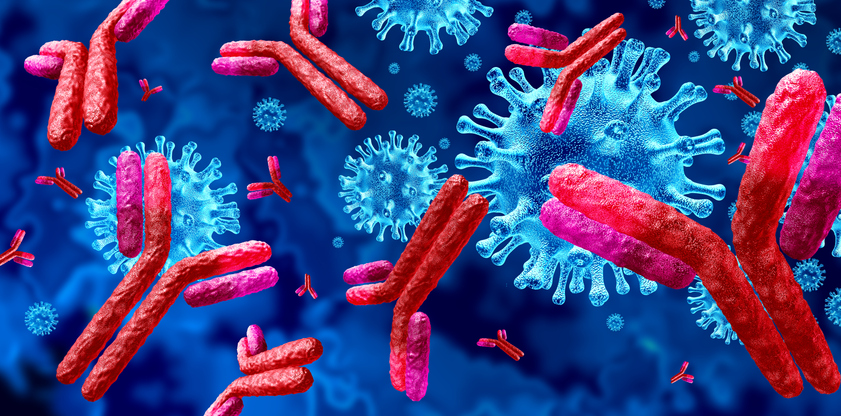
Immunosuppression
Immune suppression describes a loss of immune function. It can occur for many reasons, including disease, medication, surgery, age or genetics.
by Dr Philippa Vincent, MRCGP
Frequently asked questions
Does Behçet's disease cause permanent joint damage?
While Behçet's disease commonly causes joint pain, often in the knees or ankles, and can be associated with swelling and warmth, it typically does not lead to a type of arthritis that permanently damages your joints.
Can Behçet's disease affect children or older adults?
Behçet's disease usually affects people aged 20-30 years. The article does not specify if it can affect children or older adults outside this typical age range.
Are genital ulcers associated with Behçet's disease contagious?
No, genital ulcers that occur as a symptom of Behçet's disease are not sexually transmitted.
What is a pathergy test and what does a positive result mean for Behçet's disease diagnosis?
A pathergy test measures the sensitivity of your skin. It involves a small pinprick or injection, and a positive result is indicated by a characteristic red spot appearing. However, it's not a very sensitive test, so a positive result doesn't definitively mean you have Behçet's disease.
What happens during a Behçet's disease flare-up?
During a flare-up, the symptoms you already have may become more problematic, or you might develop new symptoms. Your medication may be increased, or you might be prescribed different medication to manage the worsening symptoms.
Can Behçet's disease affect different parts of the body at the same time?
Yes, Behçet's disease can affect various systems of the body simultaneously. These can include the skin, eyes, joints, blood vessels, gastrointestinal system, and central nervous system. The specific symptoms depend on which parts of the body are affected.
Further reading and references
- Fresko I, Yazici H; Treatment strategies for Behcet's disease. Expert Opin Pharmacother. 2008 Dec;9(18):3211-9.
- Saadoun D, Wechsler B; Behcet's disease. Orphanet J Rare Dis. 2012 Apr 12;7:20. doi: 10.1186/1750-1172-7-20.
- Omer Karadag, Ertugrul Cagri Bolek, Management of Behcet’s syndrome, Rheumatology, Volume 59, Issue Supplement_3, May 2020
- Hatemi G, Christensen R, Bang D, et al2018 update of the EULAR recommendations for the management of Behçet’s syndromeAnnals of the Rheumatic Diseases 2018;77:808-818.
About the authorView full bio
Updated by

Dr Rosalyn Adleman, MRCGP
MRCGP
Dr Rosalyn Adleman, is an NHS GP working in north London.
About the reviewerView full bio

Dr Philippa Vincent, MRCGP
General Practitioner, Medical Author
MB BS, Bsc, MRCGP (2000), DCH, DFSRH, DRCOG
Dr Philippa Vincent is an NHS GP working in North London.
Join the conversation
Share your thoughts or experiences with others in our patient communities.

Ask, share, connect.
Browse discussions, ask questions, and share experiences across hundreds of health topics.

Feeling unwell?
Assess your symptoms online for free
Sign up to the Patient newsletter
Your weekly dose of clear, trustworthy health advice - written to help you feel informed, confident and in control.
By subscribing you accept our Privacy Policy. You can unsubscribe at any time. We never sell your data.