Tachicardia sopraventricolare
TSV
Revisione paritaria di Dr Rachel Hudson, MRCGPUltimo aggiornamento di Dr Caroline Wiggins, MRCGP Ultimo aggiornamento 7 Apr 2025
Rispetta le linee guida editoriali
- ScaricaScarica
- Condividi
- Language
- Discussione
- Ask Patient
- Versione audio
- Aggiungi alle fonti preferite su Google
In questa serie:Palpitazioni cardiacheBradicardiaRitmi cardiaci anomaliSindrome di Wolff-Parkinson-White
La tachicardia sopraventricolare (SVT) provoca un battito cardiaco anormalmente rapido. Può causare sintomi come palpitazioni, vertigini e mancanza di respiro. Molti episodi di SVT non durano molto e si fermano senza alcun trattamento. A volte è necessario un trattamento per interrompere un episodio di SVT.
A colpo d'occhio
Supraventricular tachycardia (SVT) makes your heart beat very fast in a regular rhythm.
Symptoms include a very fast heart rate, thumping heart sensations, dizziness, and shortness of breath.
Episodes of SVT can be triggered by medications, stimulants, alcohol, stress, or smoking.
Many episodes of SVT stop on their own, or can be stopped by vagal manoeuvres.
Medical help may be needed if SVT episodes are frequent or cause many symptoms.
You must tell the DVLA if SVT affects your ability to drive.
Cos'è l'SVT?
Supraventricular tachycardia (SVT) causes your heart to beat very fast in a regular rhythm. It is a type of palpitazione cardiaca. During an episode of SVT, the heartbeat is not controlled by the sinoatrial (SA) node (the normal timer of the heart). Another part of the heart overrides this timer with faster impulses. The source of this impulse in SVT is somewhere above (supra) the ventricles and causes a very fast, regular heart rate.
Tipi di FAV
Ci sono tre principali tipi di SVT:
. The most common type of SVT is atrioventricular nodal re-entry tachycardia (AVNRT), which is in this category. It is most commonly seen in people in their twenties and thirties and is more common in women. It occurs when there is an electrical short circuit in the centre of the heart. An extra impulse starts to race around this short circuit causing your heart to beat very fast.
Tachicardie atriali. This article does not contain information about atrial fibrillation which is managed differently to SVT. For more information about this condition see fibrillazione atriale.
Tachicardia re-entry atrioventricolare (AVRT).
Sintomi di FAV
I sintomi durano finché dura l'episodio di SVT. Questo può essere di secondi, minuti, ore o, raramente, più a lungo. I sintomi iniziano rapidamente all'inizio dell'SVT e si fermano rapidamente quando termina. I possibili sintomi includono quanto segue:
Battito cardiaco molto accelerato. Your heart rate rises to 140-200 beats per minute (bpm) or sometimes faster. (A normal heart rate is 60-100 bpm.)
'Sensazioni di cuore che batte forte' sensations (palpitations).
, or feeling light-headed.
Respiro corto.
Potresti sembrare pallido.
Disagio toracico. You may feel mild chest discomfort.
Angina. If you have angina then it may be triggered by an episode of SVT.
You may have no signs or symptoms, or just be aware of your fast heartbeat. Sometimes your blood pressure may become low, especially if it continues for several hours. In some cases this causes a svenimento or collapse. This is more likely if you are older and have other heart or lung problems.
Il tempo tra gli episodi di SVT può variare notevolmente. La frequenza con cui si verificano varia da persona a persona. Alcune persone hanno diversi episodi molto brevi di SVT ogni giorno, mentre altre ne hanno uno ogni pochi anni.
La maggior parte delle persone che hanno un primo episodio di FAV (Fibrillazione Atriale) consulterà un medico, poiché i sintomi possono essere angoscianti. Successivamente, di solito vengono indirizzate a uno specialista cardiologo per decidere se sono necessarie ulteriori indagini e trattamenti.
Trigger per FAVT
Gli episodi di SVT possono essere scatenati da:
Alcuni farmaci - for example, some asthma inhalers, antidepressants, herbal supplements and cold remedies.
Stimolanti such as caffeine
Evitarli spesso riduce la frequenza delle tachicardie sopraventricolari (TSV).
Trattamento della FAV
There are different ways to stop an episode of SVT.
Nessun trattamento. Many episodes of SVT soon stop on their own, and no treatment is needed.
Vagal manoeuvres. .
Aiuto medico. You may need to be admitted to hospital to stop it. In hospital they may use:
Medicina. Un farmaco chiamato adenosina viene somministrato tramite iniezione in una vena. Di solito interrompe la tachicardia sopraventricolare (SVT). Funziona bloccando gli impulsi elettrici nel cuore. Possono essere somministrate alternative se non puoi ricevere adenosina.
Cardioversion. Questo è il momento in cui viene applicato un impulso elettrico al cuore in una certa fase del battito cardiaco.
Guida
Nel Regno Unito, se hai diritto di Gruppo 1 (auto e moto) non devi guidare se l'SVT ha causato o è probabile che causi incapacità (sei incapace di controllare o fermare il veicolo). Potresti essere in grado di riprendere a guidare se viene identificata una causa sottostante e l'SVT è stato controllato per almeno 4 settimane. Devi informare la DVLA se l'SVT ha causato o è probabile che causi incapacità, o se non è controllato per 4 settimane, o se una causa sottostante non viene identificata.
If you have a Group 2 entitlement you must notify the DVLA. You must not drive if the SVT caused or is likely to cause incapacity. Driving may be permitted only after an underlying cause has been identified and the SVT has been controlled for at least 3 months and a measure of your heart function meets the requirement.
Prevenire l'SVT
Le persone con SVT vengono indirizzate a specialisti cardiologi al momento della diagnosi. Discuteranno con te le opzioni disponibili. Questo potrebbe comportare:
Avoiding triggers. See above for details.
Non trattare. This is an option if the episodes of SVT are infrequent, short or cause few symptoms.
Medicazione. Examples include verapamil e beta-bloccanti. Se uno non funziona o provoca effetti collaterali, spesso si può provare un altro.
Distruzione dei tessuti tramite un catetere (ablazione con catetere). A small wire (catheter) is passed via a large vein in the top of the leg into the chambers of the heart. The tip of the catheter can destroy a tiny section of heart tissue that is the source of the abnormal electrical signals.
Scelte del paziente per Palpitazioni cardiache
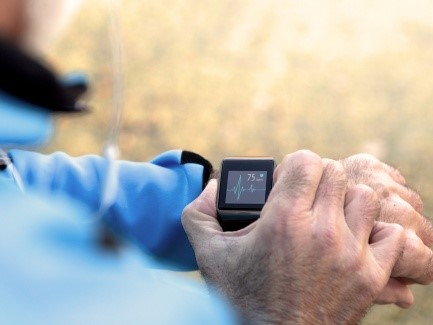
Salute del cuore e dei vasi sanguigni
Palpitazioni cardiache
Le palpitazioni sono la sensazione di un battito cardiaco accelerato e sono comuni. La maggior parte dei casi sono innocui. Di solito durano solo poco tempo e possono essere accompagnate da altri sintomi come mancanza di respiro, vertigini, oppressione al petto e sensazione di ansia. Le palpitazioni intense o che non si risolvono rapidamente potrebbero richiedere un'attenzione medica urgente. Le cause più comuni sono elencate di seguito.
di Dr Hayley Willacy, FRCGP
Salute del cuore e dei vasi sanguigni
Bradicardia
La bradicardia è una frequenza cardiaca bassa e si verifica spesso in persone molto in forma, come gli atleti. Tuttavia, può anche essere causata da una condizione sottostante come un problema cardiaco o una tiroide ipofunzionante.
di Dr Colin Tidy, MRCGP
Domande frequenti
What is the difference between SVT and atrial fibrillation?
SVT is a type of heart palpitation where the heart beats very fast in a regular rhythm, due to faster impulses coming from somewhere above the ventricles. Atrial fibrillation, while also causing an irregular heart rhythm, is managed differently from SVT and is a separate condition not detailed further in this article.
How long do episodes of SVT typically last?
The duration of SVT episodes can vary greatly. They may last for seconds, minutes, hours, or, on rare occasions, even longer. Symptoms begin quickly when an episode starts and stop rapidly once it ends.
Does having SVT mean I have a more serious heart condition?
SVT is a condition where your heart beats very fast in a regular rhythm. It is a type of heart palpitation. While SVT can cause distressing symptoms, the article does not state that it inherently means you have a more serious underlying heart condition, although it can be triggered by existing angina. It is common for people to be referred to a heart specialist for investigation and treatment after a first episode.
What are vagal manoeuvres and how do they help with SVT?
Vagal manoeuvres are specific actions some people can use to stop an episode of SVT. They work by stimulating the vagus nerve, which can help to slow down your heart rate. If you are diagnosed with SVT, you are likely to be taught these manoeuvres by a medical professional.
Could my regular medications be causing my SVT?
Yes, certain medications can trigger episodes of SVT. These include some asthma inhalers, antidepressants, herbal supplements, and cold remedies. If you suspect your medication is a trigger, discussing this with a healthcare professional is advisable.
What is catheter ablation and how does it prevent SVT?
Catheter ablation is a procedure used to prevent SVT. It involves inserting a small wire (catheter) into a large vein, usually in the leg, and guiding it to the heart. The tip of this catheter is used to destroy a tiny section of heart tissue that is responsible for producing the abnormal electrical signals causing the SVT. This can effectively stop the SVT from recurring.
Ulteriori letture e riferimenti
- Brugada J, Katritsis DG, Arbelo E, et al; Linee guida ESC 2019 per la gestione dei pazienti con tachicardia sopraventricolare. La Task Force per la gestione dei pazienti con tachicardia sopraventricolare della Società Europea di Cardiologia (ESC). Eur Heart J. 2020 Feb 1;41(5):655-720. doi: 10.1093/eurheartj/ehz467.
- Kotadia ID, Williams SE, O'Neill M; Tachicardia sopraventricolare: Una panoramica sulla diagnosi e la gestione. Clin Med (Lond). Gennaio 2020;20(1):43-47. doi: 10.7861/clinmed.cme.20.1.3.
- Bibas L, Levi M, Essebag V; Diagnosi e gestione delle tachicardie sopraventricolari. CMAJ. 6 dicembre 2016; 188(17-18): E466-E473. doi: 10.1503/cmaj.160079. Epub 24 ottobre 2016.
- Helton MR; Diagnosi e gestione dei tipi più comuni di tachicardia sopraventricolare. Am Fam Physician. 2015 Nov 1;92(9):793-800.
- Palpitazioni; NICE CKS, February 2026 (UK access only)
- Tisdale JE, Chung MK, Campbell KB, et al; Aritmie indotte da farmaci: una dichiarazione scientifica dell'American Heart Association. Circulation. 13 ottobre 2020; 142(15): e214-e233. doi: 10.1161/CIR.0000000000000905. Epub 15 settembre 2020.
- Valutazione dell'idoneità alla guida: guida per i professionisti medici; Agenzia per la Licenza di Guida e Veicoli
Informazioni sull'autoreVisualizza il profilo completo
Aggiornato da

Dr Caroline Wiggins, MRCGP
Medico di base, Autore medico
Laurea in Medicina e Chirurgia con Lode, MRCGP (2016), MSc.SEM con Lode, BSc con Lode
La Dott.ssa Caroline Wiggins è un medico di base supplente attualmente nel sud-ovest dell'Inghilterra.
Informazioni sul recensoreVisualizza il profilo completo

Dr Rachel Hudson, MRCGP
Medico Generico e Autore Medico
MBChB, MRCGP (2008), BSc (Medical Science), DFSRH, DRCOG, DCH
La Dott.ssa Rachel Hudson è un medico di base del NHS che lavora nel nord-ovest dell'Inghilterra.
Professionisti Medici
Looking for more in-depth clinical detail? Our Professional Reference articles are written for doctors, nurses and other healthcare professionals. They include comprehensive clinical guidance, diagnostic information and UK/European evidence summaries. If you need the clinical version, you can read the Professional Reference article on this topic.
Condividi i tuoi pensieri o esperienze con gli altri nel nostro comunità di pazienti.
Accesso semplice a trattamenti affidabili e servizi sanitari online.
Common conditions
Get help with common conditions through the NHS, without a GP appointment.
 Sinusite acuta
 Tonsillite batterica
 Impetigine
 Punture di insetti
 Fuoco di Sant'AntonioInfezioni delle vie urinarie (IVU)
Iscriviti alla newsletter di Patient
La tua dose settimanale di consigli sulla salute chiari e affidabili - scritti per aiutarti a sentirti informato, sicuro e in controllo.
Abbonandoti accetti i nostri Informativa sulla Privacy. Puoi annullare l'iscrizione in qualsiasi momento. Non vendiamo mai i tuoi dati.