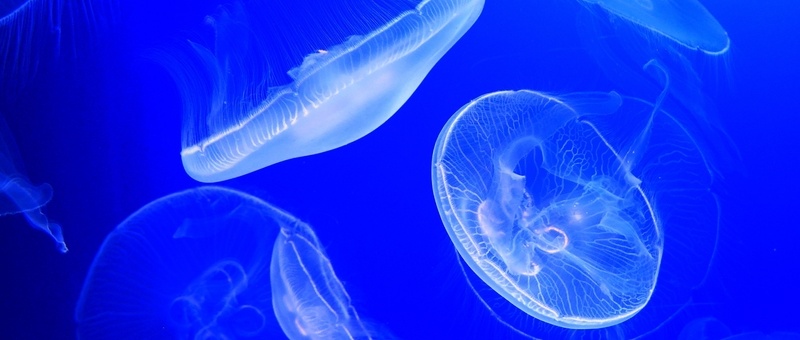
What to do if you're stung by a jellyfish
Peer reviewed by Dr Colin Tidy, MRCGPLast updated by Victoria RawLast updated 17 Jul 2025
Meets Patient’s editorial guidelines
- DownloadDownload
- Share
- Language
- Discussion
- Audio Version
- Add to preferred sources on Google
Around 150 million people are stung by jellyfish around the world each year. While some can be harmless, some may not be, so acting quickly is the key to treating a sting to prevent severe side effects or death. Find out here what to do and what not to do.
What does a jellyfish sting look like?
The symptoms of a jellyfish sting usually include an itchy, sometimes painful rash. If more severe this rash may blister, before filling with pus and rupturing.
The jellyfish might also leave a print of its tentacle, which usually shows in red, brown, or purple marks. The skin will feel very sensitive and sore.
What type of jellyfish sting is most dangerous?
Many types of jellyfish are harmless to humans, In the UK many jelly fish stings are more like getting stung by nettles and cause a similar tingly rash. The types of jelly fish in the UK waters which cause more intense stings are the lion's mane and the mauve stinger which can give electric shock like stings. Whilst still rare, the Portuguese man o'war is being found more frequently on the west coast of the UK.
Other types of jellyfish which can give a more severe sting include:
Box jellyfish - found in the Pacific and Indian oceans.
Bluebottle jellyfish - found in warmer seas.
Sea nettle - found along the northeast coast of the United States.
Sea wasp - found around Australia and Southeast Asia.
How long you are exposed to the stingers also impacts the severity of a sting, as does how much of your skin that is affected. Children are most likely to have severe reactions, along with people who have other health conditions.
In rare cases some people who have been stung may have a severe allergic reaction (anaphylaxis) and will require emergency care.
Symptoms can include:
Shock.
Severe pain.
Swelling of the lips, tongue, mouth, throat, neck, ears, eyelids, palms, or soles of the feet.
Difficulty breathing.
How long does a jellyfish sting last?
Most people will feel an intense pain immediately after the sting - which usually lasts between 1-2 hours. The itchy sensation, on the other hand, can last up to a week, and several weeks in more severe cases.
Some jellyfish stings may cause a reaction across your entire body, including:
Weakness.
Stomach pain.
Excessive sweating.
Jellyfish sting treatment
Top tips for treating a jellyfish sting:
Rinse the affected area with seawater as soon as possible.
Use tweezers to remove any visible jellyfish tentacles which may be trapped on your skin - or scrape off with a credit card. Never use your bare hands to remove the stings.
Use warm water to soak your skin, either by immersing your skin into a bowl or using a washcloth, making sure it's as hot as you can tolerate without burning your skin.
Keep your skin soaked in water to wash away the burning, keeping a stream of hot water on your skin for at least 20 minutes.
Take some immediate pain relief if necessary - such as paracetamol or ibuprofen.
Apply calamine lotion or hydrocortisone cream if needed.
Do not cover the wound.
When to see a doctor about a jellyfish sting
If you are holidaying in a foreign country, after following the above steps, you should seek medical treatment, since you’re likely to be less informed on what has stung you - it’s better to be safe than sorry.
If your tetanus vaccination is not up to date, you will need to see a doctor to get a booster shot.
In rare cases, jellyfish stings can be life-threatening. As the sting develops, there’s a chance you might need urgent medical attention.
You should seek emergency health care straight away.
Call for an emergency ambulance (999 in the UK) - if the person stung:
Has signs of an anaphylactic reaction.
Experiences difficulty breathing.
Develops chest pains.
Starts having a seizure.
Vomits.
Bleeds continuously.
Develops severe swelling around the sting.
Loses consciousness.
Sometimes jellyfish stings can become infected. Please see a doctor immediately if you have any of the signs of an infection, such as the wound becoming more painful, more redness, or you develop a fever.
Does pee help a jellyfish sting?
You should not pee on a jellyfish sting. This is just a myth and there is no evidence that pee has any benefit.
In fact, studies have shown the opposite. Your pee contains compounds such as ammonia and urea, which could be helpful on their own if you’ve been stung. However, since pee contains a lot of water, rinsing your sting with it means the ammonia and urea will be too diluted to be of any use.
First aid treatment is the primary concern when dealing with jellyfish stings. You should focus on removing the tentacles from your skin and treating the contacted area to avoid the further release of nematocysts - the thousands of tiny cells on their tentacles.
Responding quickly after a sting can avoid an increase in venom load and potentially save a life.
How to avoid being stung by a jellyfish
To reduce your chances of being stung by a jellyfish, you can avoid water during jellyfish season from mid-spring through to late summer and early autumn. However, this isn't always possible, especially as summer time is holiday season.
So, here are some protective measures you can take when swimming in water where there might be jellyfish:
Keep an eye out for warning signs on beaches, alerting you to jellyfish or other sea creatures.
Talk to lifeguards or officials before swimming in open water to make yourself aware of the hazards.
Don’t ever touch a jellyfish - even if you think it is dead.
Wear a protective wetsuit and something on your feet when swimming in open water.
Wear sandals when walking in rocky or shallow water.
Get clued up on how jellyfish move - as they tend to go along with ocean currents.
Make sure you know what to do if you or someone else is stung.
Patient picks for Stings and bites
Skin, nail and hair health
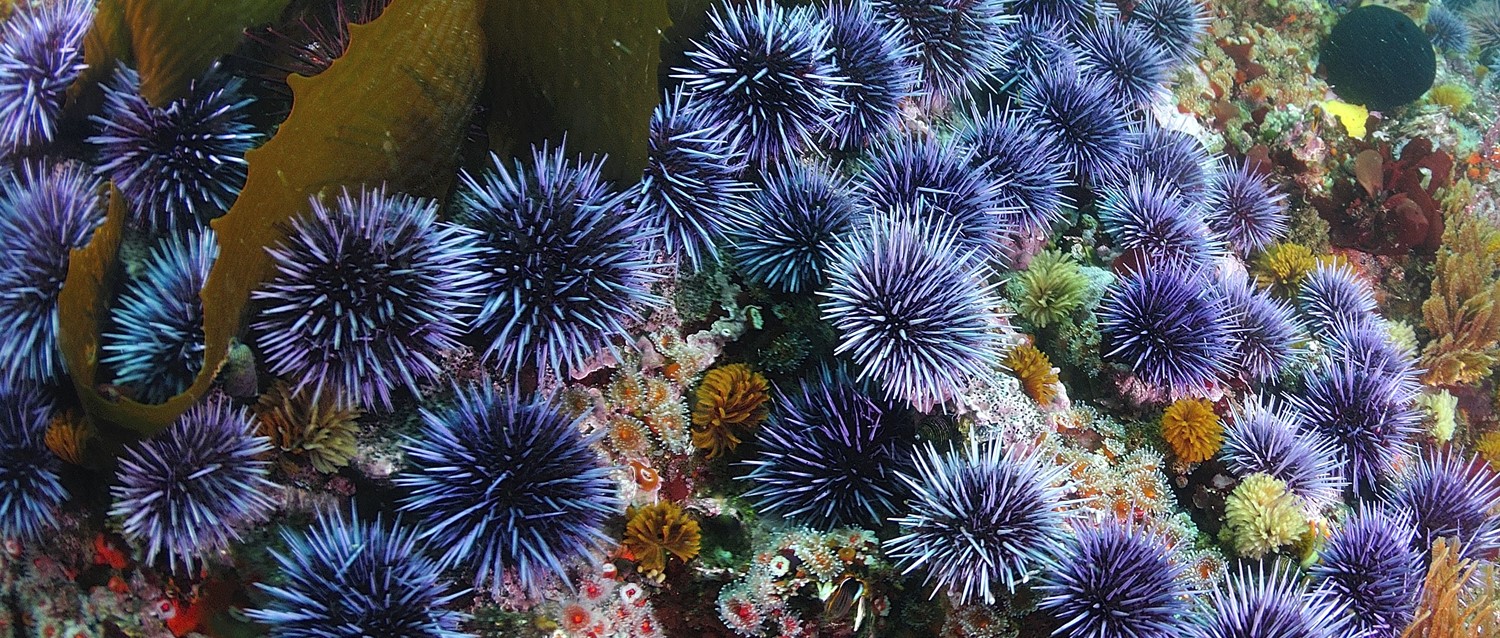
What to do if you're stung by a sea urchin
While many sea urchin stings can be mild and their symptoms go away within a few days, there is a possibility of them becoming seriously infected. Therefore, it's important to know how to act in these situations and when to seek professional help.
by Emily Jane Bashforth
Skin, nail and hair health
Insect bites and stings
Insect bites and stings usually cause mild reactions such as pain, itching, and swelling. However, in rare cases can lead to a serious allergic response (anaphylaxis) or infection. Treatment focuses on symptom relief and urgent medical attention if symptoms worsen.
by Dr Rosalyn Adleman, MRCGP
About the authorView full bio
Updated by

Victoria Raw
Feature Writer
BA (Hons), English Literature
Victoria is a content writer at Patient, with special interests spanning mental wellbeing, societal trends and the impact of technology on our health.
Authored by

Emily Jane Bashforth
Feature Writer
NCTJ
Emily is a Feature Writer with Patient, writing articles on a variety of topics relating to health and well-being.
About the reviewerView full bio

Dr Colin Tidy, MRCGP
General Practitioner, Medical Author
MBBS, MRCGP, MRCP (Paediatrics), DCH
Dr Colin Tidy is an NHS Doctor, based in Oxfordshire.
Article history
Article also available in English, German, Spanish, French, Italian, Portuguese, Hindi, Hebrew, Arabic, and Swedish.
Next review due: 18 Jul 2027
17 Jul 2025 | Latest version
19 Aug 2022 | Originally published
Authored by:
Emily Jane Bashforth
Join the conversation
Share your thoughts or experiences with others in our patient communities.

Ask, share, connect.
Browse discussions, ask questions, and share experiences across hundreds of health topics.

Feeling unwell?
Assess your symptoms online for free
Sign up to the Patient newsletter
Your weekly dose of clear, trustworthy health advice - written to help you feel informed, confident and in control.
By subscribing you accept our Privacy Policy. You can unsubscribe at any time. We never sell your data.