
Parti in casa sicuri quanto quelli in ospedale per gravidanze a basso rischio
Revisione paritaria di Natalie HealeyAutore Milly EvansPubblicato originariamente 9 Aug 2019
Rispetta le linee guida editoriali
- ScaricaScarica
- Condividi
- Language
- Discussione
- Ask Patient
- Versione audio
- Aggiungi alle fonti preferite su Google
Uno studio ha dimostrato che i parti in casa sono sicuri quanto quelli in ospedale per le gravidanze a basso rischio.
Iscriviti al nostro corso gratuito di 8 settimane sulla Gravidanza Sana!
Ogni settimana condivideremo informazioni utili e consigli essenziali su argomenti come nutrizione, esercizio fisico, salute mentale, sintomi da tenere d'occhio e preparazione al parto, per aiutarti a navigare nel tuo percorso di gravidanza a qualsiasi stadio tu sia.
Abbonandoti accetti i nostri Informativa sulla Privacy. Puoi annullare l'iscrizione in qualsiasi momento. Non vendiamo mai i tuoi dati.
Lo studio, pubblicato in The Lancet's EClinicalMedicine journal, looked into the risk of death for a child, both at birth and within the first four weeks of life. Researchers found no important or statistically different risk between hospital and home births for low-risk pregnancies.
In the UK, women can give birth in obstetric units, midwife-led units or at home. Many women prefer to give birth in a hospital or midwife-led unit where there are skilled people and special equipment available. Around one in 50 women choose to have their baby at home. It is not recommended for women having their first child as there are significant risks involved and, in the UK, almost half of women who choose home births for their first pregnancy are transferred to hospital. However, for lower-risk pregnancies, this can be a comfortable and safe option.
It is the first systematic review of its kind. The researchers from McMaster University used data from 21 studies comparing home and hospital births published since the 1990s. Those studies looked at the birth outcomes of babies in Sweden, New Zealand, England, the Netherlands, Japan, Australia, Canada and the USA, covering approximately 500,000 intended home births and similar numbers of intended hospital births.
Eileen Hutton, professor of obstetrics and gynaecology at McMaster University and founding director of the McMaster Midwifery Research Centre, hopes that the results of the study provide the reassurance to mothers and healthcare professionals that home births are safe for women with low-risk pregnancies.
"More women in well-resourced countries are choosing birth at home, but concerns have persisted about their safety. This research clearly demonstrates the risk is no different when the birth is intended to be at home or in hospital. Our research provides much needed information to policy makers, care providers and women and their families when planning for birth," she said.
Questo studio è stato pubblicato in The Lancet's EClinicalMedicine Journal.
Scelte del paziente per Travailo e parto
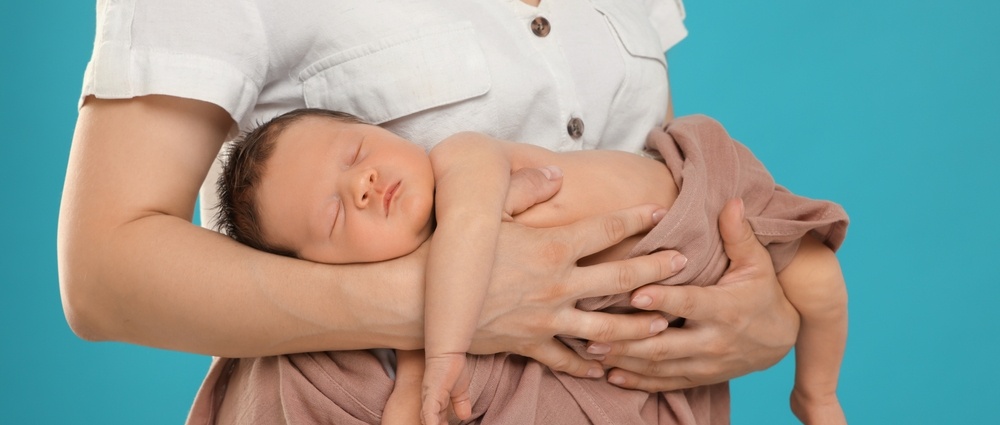
Gravidanza
Come aiutare il recupero dopo un cesareo
Quando ti stai adattando alla vita con un bambino e gestisci latte e pannolini, può essere facile dimenticare di aver subito un intervento chirurgico importante se hai avuto un parto cesareo (C-section). Riprendersi da qualsiasi parto può essere difficile, ma guarire dopo un cesareo comporta sfide uniche. Quindi, cosa puoi fare per aiutare il processo di guarigione?
di Lawrence Higgins

Gravidanza
Come creare un piano di nascita
You find out you're pregnant and by the time you've navigated the morning sickness and strange new feelings, you're in month six. When you're feeling unwell with morning sickness, time seems to drag - but before you know it, you're having to think about where to give birth, what will happen and what you need to prepare for your baby's arrival. Here we look at birthing plans - what they are, what they involve, and their benefits.
di Lawrence Higgins
Informazioni sull'autoreVisualizza il profilo completo
Autore

Milly Evans
Editor
Milly scrive su una varietà di argomenti di salute, con un particolare interesse per le disuguaglianze sanitarie e la salute sessuale.
Informazioni sul recensoreVisualizza il profilo completo

Natalie Healey
Giornalista freelance
Laurea in Scienze Biomediche (con lode)
È una giornalista sanitaria con sede a Londra che scrive di scienza e medicina da diversi anni. È l'ex responsabile editoriale di Patient.
Storia dell'articolo
Articolo disponibile anche in Inglese, Tedesco, Spagnolo, Francese, Italiano, Portoghese, Hindi, Ebraico, Arabo, and Svedese.
9 Aug 2019 | Pubblicato originariamente
Autore:
Milly EvansRevisione paritaria di
Natalie Healey
Condividi i tuoi pensieri o esperienze con gli altri nel nostro comunità di pazienti.
Accesso semplice a trattamenti affidabili e servizi sanitari online.
Common conditions
Get help with common conditions through the NHS, without a GP appointment.
 Sinusite acuta
 Tonsillite batterica
 Impetigine
 Punture di insetti
 Fuoco di Sant'AntonioInfezioni delle vie urinarie (IVU)
Iscriviti alla newsletter di Patient
La tua dose settimanale di consigli sulla salute chiari e affidabili - scritti per aiutarti a sentirti informato, sicuro e in controllo.
Abbonandoti accetti i nostri Informativa sulla Privacy. Puoi annullare l'iscrizione in qualsiasi momento. Non vendiamo mai i tuoi dati.