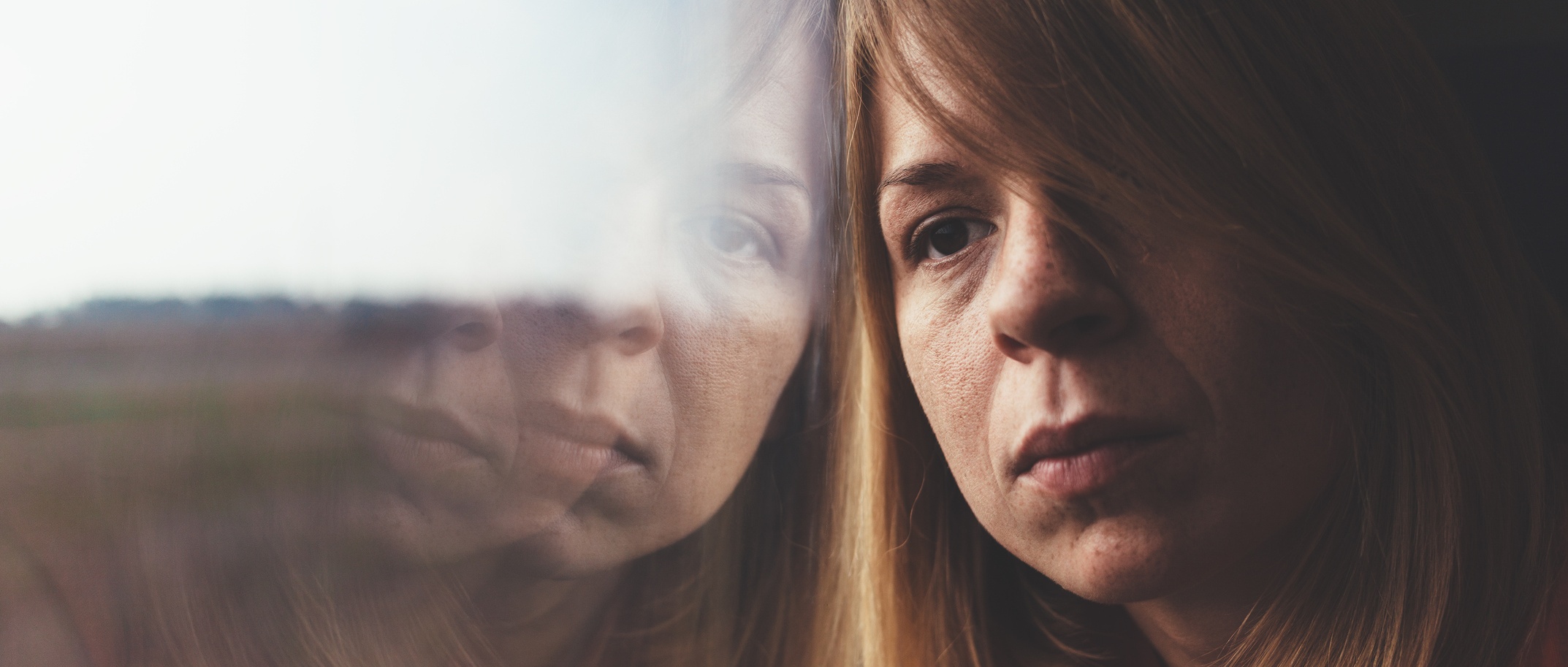
How a chronic illness affects your mental health
Peer reviewed by Sara LindbergAuthored by Sara LindbergOriginally published 29 Sept 2017
Meets Patient’s editorial guidelines
- DownloadDownload
- Share
- Language
- Discussion
- Audio Version
- Add to preferred sources on Google
Living with a chronic illness can be debilitating; both physically and mentally. The toll it can take on your body is bound to affect your ability to cope with psychological and emotional stress. Not only can a chronic illness make it impossible to do the things you enjoy, it can also rob you of a sense of hope for the future.
Mental health support for adults and children
Online CBT and psychological therapy for adults and children aged 8–17. Onebright’s accredited clinicians support people experiencing anxiety, depression and other emotional challenges.
Being diagnosed with a chronic illness produces a myriad of intense and long-lasting feelings - everything from exhaustion and fear to guilt and resentment because of demands made on family and friends. Feelings of frustration and sadness are also quite common when you realise the life you once knew is now different.
Depression and chronic illness
Depression is one of the most common complications of chronic illness. It is estimated that up to one third of individuals with a serious medical condition experience symptoms of depression.
According to the National Institute of Mental Health (NIMH), people with other chronic medical conditions have a higher risk of depression, and they tend to have more severe symptoms of both illnesses. This has prompted many professionals to recommend a patient be treated for both the depression and the medical illness at the same time.
Finding out you have a chronic illness may exacerbate the symptoms of a pre-existing mental health condition like depression. Julie Barthels, MEd, MSSW, LCSW, says some of the factors that influence symptoms of depression include physical pain of the illness, the grieving process of losses associated with the illness, the fear of "what it is", and a sense of hopelessness that life will never get better.
What it’s like to live with a chronic illness
Left untreated, chronic illness and mental health illness can be draining on the people living with an illness, their families, coworkers and communities. "Chronic illness is a full-time job that takes effort and a willingness to make changes to your daily life and routine," says Sarah Robbins, MSN, a Psychiatric Mental Health Nurse Practitioner.
And making changes to your day-to-day life is something Patti Woods knows all too well. Living with mal de debarquement syndrome, a very rare chronic illness, initially left Woods feeling overwhelmed because it felt like her brain was constantly gyrating.
Prior to being diagnosed, she says her daily life consisted of looking for answers, moving from one doctor to another, and trying an array of medications. This caused Woods' mental health to suffer since her energy was mostly directed at her physical symptoms. It has been five years since she began her lifelong battle with a chronic illness, and through acceptance and understanding, Woods is happy to say that life is much better now.
Like Woods, Jody Smith knows all too well what life is like living with a chronic illness. Before being diagnosed with chronic fatigue syndrome, Smith says she had no idea what was wrong, and it was terrifying. "I knew something huge and life-altering had happened to me - I was barely functional and had no energy."
She describes being devastated emotionally and fractured mentally. After several years of frustrations coupled with mental health issues while she looked for answers, Smith was finally able to connect with a naturopath who helped her come up with a treatment plan. She also found forums and articles online which were transformative for her. "I found people who offered understanding, information, love and support in a time when nobody but my family cared what happened to me," she explains.
Smith says connecting online with other people dealing with similar conditions and struggling with the same kind of challenges that come with chronic illness, was like finding a brand new community. It eased the loneliness and made her feel visible and loved. "I had a voice once again, and I could offer love and support to others ... I mattered."
Ways to cope
Forging a new life with a chronic illness is a challenge. And it’s quite common (and normal) to feel fear and sadness as you make sense of your diagnosis. But as you begin to formulate a plan for living, it’s important to understand that you’re not alone. This is a time of healing - and you must surround yourself with those things and people that make you feel good.
Stay connected to healthcare professionals
It’s important to establish relationships with the medical experts who are assisting you through this process. Being able to talk openly about your ongoing questions and concerns will arm you with the knowledge about your illness and help you feel more settled.
Cognitive behavioural therapy
Negative self-talk is a normal phenomenon in patients with chronic illness. Since adjusting to this new way of life can be psychologically exhausting, many people turn to cognitive behavioural therapy to help change repetitive, negative thought patterns that are the foundation for their depression.
Surround yourself with support
Life with a chronic illness can feel lonely. Isolation, mental health issues, and physical restrictions all make it difficult to connect with other people and get the support you need. That’s why it’s essential to surround yourself with support, including your personal support system and professional support. We are fortunate to be able to have so much information and support available to us online - especially for the chronically ill, many of whom have a hard time getting out of their homes, or find that getting out is impossible.
Physical and mental self-care
Both mental illness and chronic health conditions do best with a reduction of stress, improved sleep, and following the medical provider’s recommendations for treatment. Diet changes and exercise can often lead to an overall improvement in the conditions.
Woods found that getting enough sleep, planning out her schedule so that she doesn’t take on too much, meditation and exercise have helped tremendously. Smith says she has learned to respect her body’s need for rest. She also found peace in knowing that she is more than her illness. "Even if all you can do is breathe in and out … you are valuable, you matter and you are a person worthy of love."
Ultimately, anything that will contribute to a positive attitude in the present (and the future) will be of value in creating the emotional and philosophical attitude to deal with an illness.
Patient picks for Depression

Mental health
Can exercise really help with depression?
If you're dealing with depression or anxiety, you're probably aware of the recommendation to be more active. With our minds and bodies powerfully connected, physical activity can have an immediate impact on a person's overall sense of well-being.
by Abi Millar

Mental health
The reality of life after surviving a suicide attempt
The Office for National Statistics (ONS) reports that there were 5,224 suicides registered in England and Wales in 2020. The evidence of rising suicide rates in recent years is alarming, with 75% of suicides being male. As important as it is to discuss suicide prevention, we should also consider life after a suicide attempt. Rebuilding your life after an attempt can be challenging.
by Emily Jane Bashforth
About the authorView full bio
Authored by

Sara Lindberg
Senior Writer
BSc (Hons), MSc
Sara Lindberg is a freelance health, fitness, and wellness writer.
About the reviewerView full bio
Sara Lindberg
Senior Writer
BSc (Hons), MSc
Sara Lindberg is a freelance health, fitness, and wellness writer.
Article history
Article also available in English, German, Spanish, French, Italian, Portuguese, Hindi, Hebrew, Arabic, and Swedish.
29 Sept 2017 | Originally published
Authored by:
Sara LindbergPeer reviewed by
Sara Lindberg
Join the conversation
Share your thoughts or experiences with others in our patient communities.

Ask, share, connect.
Browse discussions, ask questions, and share experiences across hundreds of health topics.

Feeling unwell?
Assess your symptoms online for free
Sign up to the Patient newsletter
Your weekly dose of clear, trustworthy health advice - written to help you feel informed, confident and in control.
By subscribing you accept our Privacy Policy. You can unsubscribe at any time. We never sell your data.