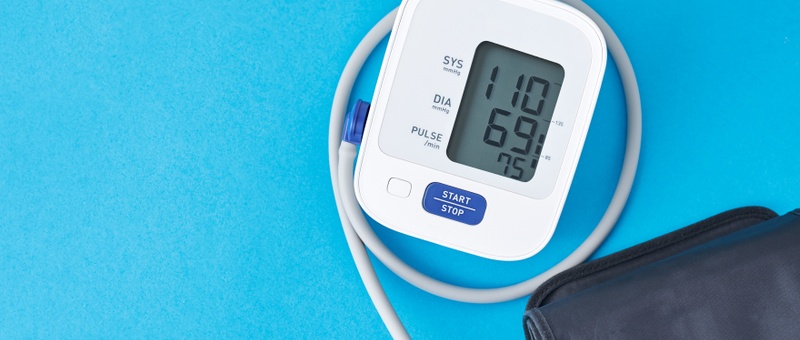
Do wearable blood pressure monitors really work?
Peer reviewed by Dr Colin Tidy, MRCGPAuthored by Thomas Andrew Porteus, MBCSOriginally published 10 Mar 2026
Meets Patient’s editorial guidelines
- DownloadDownload
- Share
- Language
- Discussion
- Audio Version
- Add to preferred sources on Google
I have always thought of blood pressure as something that gets checked occasionally, usually at a GP appointment or pharmacy visit. It is quick, useful, and then mostly forgotten about until the next time. But recently I decided to try something different. I bought a wearable blood pressure band so I could track my readings more regularly and understand how my daily life affects them.
Here is what it has been like using one in real life.
Sponsored
Patient recommends... Hilo
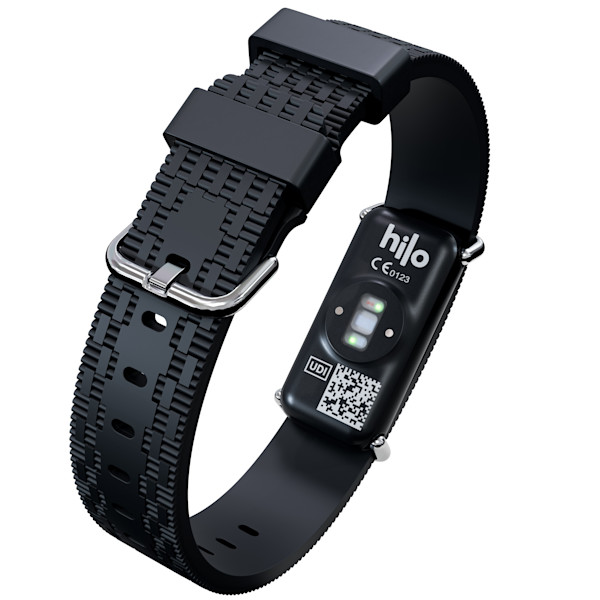
Track your blood pressure continuously, day and night - without an inflatable cuff. Traditional cuffs capture just one moment, if you remember to use them. Hilo takes about 25 readings a day, revealing how stress, meals, and activity affect your blood pressure so you can make informed choices for your wellbeing.
› Shop now
Why I decided to try continuous blood pressure monitoring
Like many people, I had occasional borderline readings in the past. Nothing that required treatment, but enough to make me curious. I also know that blood pressure can vary quite a lot throughout the day depending on stress, activity, sleep, and even what you eat or drink.
Traditional home monitors are helpful, but they tend to be used at specific times, often when you remember or when you are told to check. I wondered whether a wearable device might give a more complete picture by measuring regularly throughout the day.
I was also interested in whether lifestyle changes I was making, such as improving sleep and reducing caffeine, would show up in my readings.
First impressions and setup
The device itself looks more like a fitness tracker than a medical monitor. It sits on the wrist and pairs with a smartphone app. Setup was straightforward and took about ten minutes.
Like most home blood pressure devices, it needed calibration against a standard cuff monitor first. This step is important because wrist-based or wearable devices estimate blood pressure differently from upper-arm monitors. Calibration helps align the readings.
Once that was done, the app began recording measurements automatically at intervals during the day.
What daily blood pressure monitor use is actually like
One of the biggest differences compared with a standard monitor is convenience. I did not need to sit down, position my arm carefully, or remember to check. The device simply measured in the background.
Over the first week, I noticed patterns that I would never have seen otherwise. My blood pressure was generally lower in the morning, rose during busy work periods, and sometimes increased after poor sleep. Even things like rushing to catch transport or dealing with stressful emails seemed to have a noticeable effect.
Seeing this in real time made blood pressure feel much more connected to everyday life rather than something abstract.
The app also displayed trends over days and weeks. This helped me see whether changes were temporary spikes or part of a wider pattern.
What I found most useful
The biggest benefit for me was awareness. Instead of occasional snapshots, I could see how my body responded to normal activities.
Some examples included:
Stress had a bigger impact than I expected.
Sleep quality clearly affected my morning readings.
Exercise sometimes raised readings temporarily but lowered them later.
Relaxation techniques, such as slow breathing, often reduced readings within minutes.
This made lifestyle advice feel more concrete. It was no longer just general guidance. I could see the effects directly.
Another helpful feature was trend tracking. A single high reading can be worrying, but trends over time are more meaningful. Seeing averages and patterns felt more reassuring than focusing on individual numbers.
Things that took getting used to
Wearable monitoring is not perfect, and it is important to understand the limitations.
First - readings can sometimes vary more than with a standard upper-arm monitor. Movement, wrist position, and calibration all matter. If I compared readings immediately with a traditional monitor, they were usually close but not always identical.
Second - frequent measurements can increase awareness, but that can also lead to over-checking or worry. At first, I found myself looking at the app too often. Over time I learned to focus on overall trends rather than individual readings.
Third - comfort matters. The device is worn for long periods, and although it is lightweight, you do notice it occasionally, especially when sleeping.
How it changed my understanding of blood pressure
Before using a wearable monitor, I thought of blood pressure as relatively stable. Now I understand how dynamic it is. It responds quickly to physical and emotional changes.
This helped me understand why doctors often recommend repeated measurements rather than relying on a single reading. It also made sense why “white coat hypertension” can happen when readings rise in medical settings due to anxiety.
Seeing natural variation made me less concerned about occasional spikes and more focused on overall patterns.
Who might find a wearable blood pressure monitor helpful?
From my experience, this type of device may be useful for people who:
Want to understand how lifestyle affects their blood pressure.
Need to monitor trends between GP visits.
Have been advised to check blood pressure regularly.
Are motivated by data and feedback.
However, it may not suit everyone. Some people may prefer the simplicity of occasional standard checks. Others may find continuous monitoring unnecessary or anxiety-provoking.
It is also important to remember that wearable devices are not a replacement for medical advice. Any concerns about blood pressure should still be discussed with a healthcare professional.
What surprised me most
The biggest surprise was how responsive blood pressure is to everyday life. Stress, sleep, and routine all matter more than I realised.
I was also surprised by how quickly readings could change. Relaxation, rest, or simply sitting quietly often lowered numbers within minutes.
This made blood pressure feel more manageable and less mysterious.
My overall thoughts
Using a wearable blood pressure monitor has made me more aware of my health and more engaged with lifestyle changes. It has helped me understand patterns rather than isolated readings, and that has been reassuring.
That said, it is a tool, not a diagnosis. Accuracy depends on proper use, and medical guidance is still essential if readings are consistently high or concerning.
For me, the main value has been insight. I now understand my blood pressure as something that responds to daily life, not just something measured occasionally in a clinic.
And that awareness alone has changed how I think about looking after my health.
The device featured is the Hilo wearable blood pressure monitor, which I chose to purchase myself personally. Patient.info may receive a commission if readers choose to buy Hilo through affiliate links. This does not affect the price you pay and helps support the creation of independent health information.
Patient picks for Blood pressure
Heart health and blood vessels
How to lower your blood pressure
More than 1 in 4 adults have high blood pressure (hypertension), a condition that can lead to kidney damage, stroke, and heart disease. It's important to get your blood pressure checked regularly. But if you've already been told yours is in the high region, these lifestyle tips can help you reduce it.
by Lynn Stephen

Heart health and blood vessels
Which foods help lower blood pressure?
What if some of the most powerful tools for lowering blood pressure (hypertension) were already in your kitchen? Many everyday foods contain nutrients that naturally relax your blood vessels, reduce inflammation, and support healthier circulation. By knowing which foods lower blood pressure naturally, you can make simple diet changes that help reduce hypertension and protect your long-term heart health.
by Heather Ainsworth
Frequently asked questions
What is the Hilo wearable blood pressure monitor?
The Hilo wearable blood pressure monitor is a device designed to continuously track blood pressure. It resembles a fitness tracker and is worn on the wrist, pairing with a smartphone app to record measurements. The author personally chose and purchased this device for their monitoring.
How often does the Hilo device take blood pressure measurements?
Once set up and calibrated, the Hilo device automatically records blood pressure measurements at intervals throughout the day. This provides continuous monitoring in the background without needing the user to actively take readings.
What kind of patterns can be observed with continuous blood pressure monitoring?
Continuous monitoring can reveal how blood pressure fluctuates throughout the day. The author noticed their blood pressure was often lower in the morning, increased during busy work periods, sometimes rose after poor sleep, and was affected by stress from activities like rushing or dealing with stressful emails. It helps illustrate the dynamic nature of blood pressure in response to daily life.
Can continuous blood pressure monitoring help with lifestyle changes?
Yes, continuous monitoring can make lifestyle advice more tangible. By seeing how activities, stress, sleep, and even diet impact blood pressure readings in real-time, it can reinforce the benefits of positive changes. The author found it made them more engaged with their health and helped them understand the effects of their lifestyle choices directly.
Are there any situations where continuous monitoring might not be suitable?
Continuous blood pressure monitoring may not be for everyone. Some individuals might prefer the simplicity of occasional standard checks. Others could find the constant monitoring unnecessary or it might even cause anxiety. It's important to consider personal preferences and potential for increased worry.
About the authorView full bio

Thomas Andrew Porteus, MBCS
HealthTech
MBCS
Thomas writes to inform, inspire, and equip practice leaders and health professionals navigating change, drawing on two decades of hands-on work across the UK health system.
About the reviewerView full bio

Dr Colin Tidy, MRCGP
General Practitioner, Medical Author
MBBS, MRCGP, MRCP (Paediatrics), DCH
Dr Colin Tidy is an NHS Doctor, based in Oxfordshire.
Article history
The information on this page is peer reviewed by qualified clinicians.
Article also available in English, German, Spanish, French, Italian, Portuguese, Hindi, Hebrew, Arabic, and Swedish.
Next review due: 25 Feb 2029
10 Mar 2026 | Originally published
Authored by:
Thomas Andrew Porteus, MBCSPeer reviewed by
Dr Colin Tidy, MRCGP
Join the conversation
Share your thoughts or experiences with others in our patient communities.

Ask, share, connect.
Browse discussions, ask questions, and share experiences across hundreds of health topics.

Feeling unwell?
Assess your symptoms online for free
Sign up to the Patient newsletter
Your weekly dose of clear, trustworthy health advice - written to help you feel informed, confident and in control.
By subscribing you accept our Privacy Policy. You can unsubscribe at any time. We never sell your data.
More in heart health and blood vessels
- 6 workday habits that keep your heart healthy
- 8 simple steps to boost your circulation
- Atrial fibrillation explained
- Can red yeast rice lower your cholesterol?
- Cheese could protect blood vessels from damage caused by high-salt diet
- Four-in-one pill could prevent heart problems
- Healthy Hanukkah food for your weight, heart and diabetes
- Heart and blood videos
- High blood pressure in mid-30s could shrink your brain
- How to minimise the risk of a second heart attack
- How to support a loved one after a stroke
- Is cardiomyopathy genetically inherited?
- The importance of learning CPR
- Video: How to reduce blood pressure
- What is alcoholic cardiomyopathy?
- What is the most common cause of sudden cardiac death?
- What is the TLC diet and can it improve your heart health?
- What should you do if someone goes into cardiac arrest?
- Which foods help lower blood pressure?
- Who should take aspirin every day?