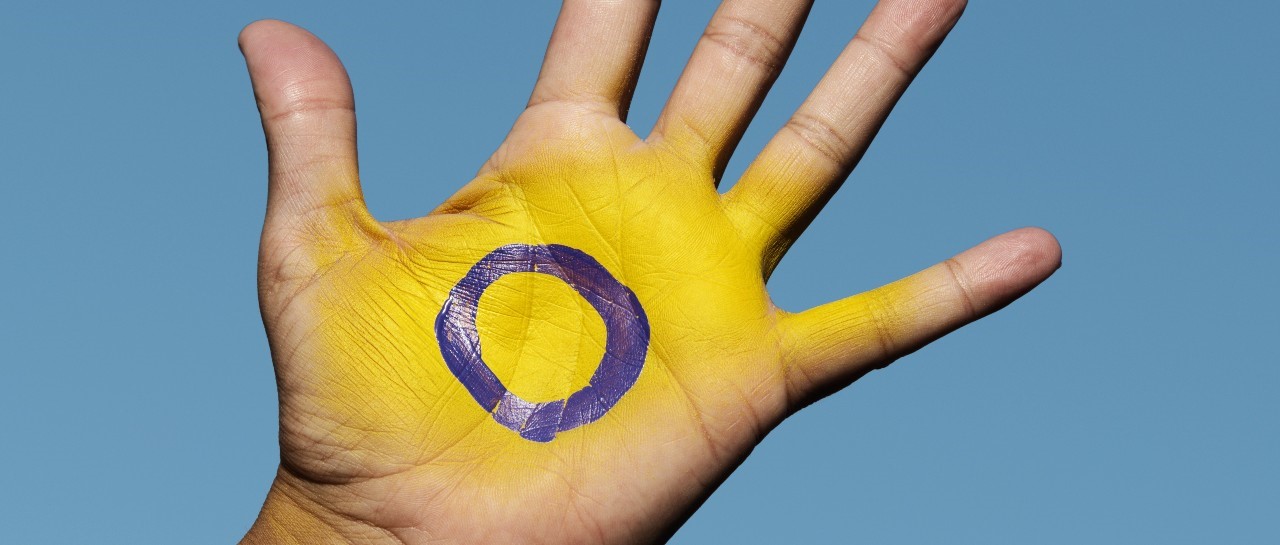
What does it mean to be intersex?
Peer reviewed by Dr Colin Tidy, MRCGPAuthored by Emily Jane BashforthOriginally published 5 Aug 2022
Meets Patient’s editorial guidelines
- DownloadDownload
- Share
- Language
- Discussion
- Audio Version
- Add to preferred sources on Google
While you may have heard the word 'intersex', it can be difficult understanding what it means unless you have done some reading around the topic. Simply put, it is when there is a difference between the inside and outside genitals.
What does intersex mean?
Intersex can be defined as an umbrella term used to encompass a range of differences within sexual characteristics which do not fit the strict definitions of male or female. It is sometimes known as differences of sex development.
"Intersex is a general term used for a variety of situations in which a person is born with reproductive or sexual anatomy that doesn't fit the boxes of 'male' or 'female'," explains Planned Parenthood.
They add that being intersex is a naturally occurring variation in some humans. Intersex people may identify as male, female, or non-binary.
But Hans - an intersex artist and activist - explains how, while these definitions aren't wrong, they don't really tell us much about how being intersex applies to real people's bodies. Medically, there are many different terms for how intersex traits can express in a body, but what does that actually mean?
Let's break this down further ...
Gender can be defined at various levels:
Genetic - a presence of one or more "Y" chromosomes usually defines a male.
Gonadal - ovaries (female), testes (male).
Genital - the appearance of external genitals observed can define sex.
Where there are variations on the above - for example, genetics say one thing but external genitals say another - there is no clear male or female and this is intersex.
Experts estimate that around 1.7% of the population are intersex1. However it must be noted that these figures include people with conditions that are not usually under the umbrella of intersex so the numbers may be smaller.
Is being intersex the same as being trans?
Being intersex is often confused with being transgender. It's understandable why these terms can get mixed up, especially as conversations around gender are progressing and there are certain topics that we might be learning about for the first time. However, intersex is not another word for transgender, and it is possible to be both intersex and transgender.
Someone who is trans is a person whose gender is different from the sex they were assigned at birth. Meanwhile, if someone is intersex, it means they were born with a variation in their sexual or reproductive anatomy.
"It seems a lot of people are starting to develop a concept of what it means to be transgender, but for intersex people, I don't really think we're there yet," says Hans.
"While being transgender is about your gender being different from what was assumed for you at birth, being intersex means that something about your body doesn't exactly line up with the two typical paths. However, while transgender and intersex are distinct concepts, they do share a lot of overlapping issues."
What does an intersex body look like?
Hormones, reproductive organs, and genitals
In school, we are taught that males have XY chromosomes and females have XX chromosomes. Intersex people, however, can have XX or XY or they could have XXY, just X, or other variations. There are four main categories of intersex:
XX intersex - chromosomes of a woman, ovaries of a woman but the genitals appear male.
XY intersex - chromosomes of a man, testes may be normal, malformed, or absent, and the genitals may be incomplete, ambiguous, or clearly female.
True gonadal intersex - this means they could be XX or XY or both. They have both ovaries and testes. This could be in one gonad (ovotestis) or one of each - an ovary and a testis. Genitals could be ambiguous, female, or male.
Complex or undetermined intersex - chromosomes in various combinations or even an extra one. These may not have any discrepancy between internal and external genitals, but people could have problems with sex hormones, sexual development, and problems associated with different numbers of chromosomes.
"Another part of the picture is how your body responds to hormones that your gonads produce. Some intersex people make hormones that their bodies don't even know what to do with," Hans states, continuing to explain as an example that, while a person might make testosterone (a form of androgen - sex hormone - that helps start puberty and plays a role in development), they can be insensitive to it, so their body has no clue what to do with it.
"The same tissue becomes either a clitoris or a penis, depending on signals that you get along your sex development train. Since a lot of these traits are spectrums, some intersex people might have a structure that falls somewhere in between the two," Hans says.
Again, genitals differ across intersex people. Many people don't have genital differences, and a lot have variations that aren't immediately noticed when they are born.
However, some common traits in intersex people include:
Delayed or non-existent puberty.
Partial labial fusion (where the inner lips of the vagina are sealed together).
Clitoromegaly (an enlarged clitoris).
"As intersex people, our natural differences are not medical problems - they're just different, less common points on a series of spectrums," adds Hans. "It's important to me that people understand what intersex looks like and can be like, using non-stigmatising terms."
Further reading
Patient picks for Gender identity
Healthy living
Debunking bisexual stereotypes and myths
More people now identify as bisexual than ever before, which is why it's important to have an understanding of what it really means, rather than perpetuating harmful bisexual stereotypes. When the world is accepting of bisexuality and bisexual people feel safe to be themselves, the world is a happier, healthier place to be.
by Emily Jane Bashforth

Healthy living
How to bind your chest safely
Chest binding is a practice used by LGBTQ+ people to reduce the appearance of a 'feminine' chest by flattening the breasts. Binding is shown to have positive effects on the mental health of people struggling with gender dysphoria (a sense of unease due to a mismatch between biological sex and true gender identity). However, unsafe binding carries significant health risks. Therefore, it's crucial it is done safely.
by Emily Jane Bashforth
About the authorView full bio
Authored by

Emily Jane Bashforth
Feature Writer
NCTJ
Emily is a Feature Writer with Patient, writing articles on a variety of topics relating to health and well-being.
About the reviewerView full bio

Dr Colin Tidy, MRCGP
General Practitioner, Medical Author
MBBS, MRCGP, MRCP (Paediatrics), DCH
Dr Colin Tidy is an NHS Doctor, based in Oxfordshire.
Article history
Article also available in English, German, Spanish, French, Italian, Portuguese, Hindi, Hebrew, Arabic, and Swedish.
5 Aug 2022 | Originally published
Authored by:
Emily Jane BashforthPeer reviewed by
Dr Colin Tidy, MRCGP
Join the conversation
Share your thoughts or experiences with others in our patient communities.

Ask, share, connect.
Browse discussions, ask questions, and share experiences across hundreds of health topics.

Feeling unwell?
Assess your symptoms online for free
Sign up to the Patient newsletter
Your weekly dose of clear, trustworthy health advice - written to help you feel informed, confident and in control.
By subscribing you accept our Privacy Policy. You can unsubscribe at any time. We never sell your data.