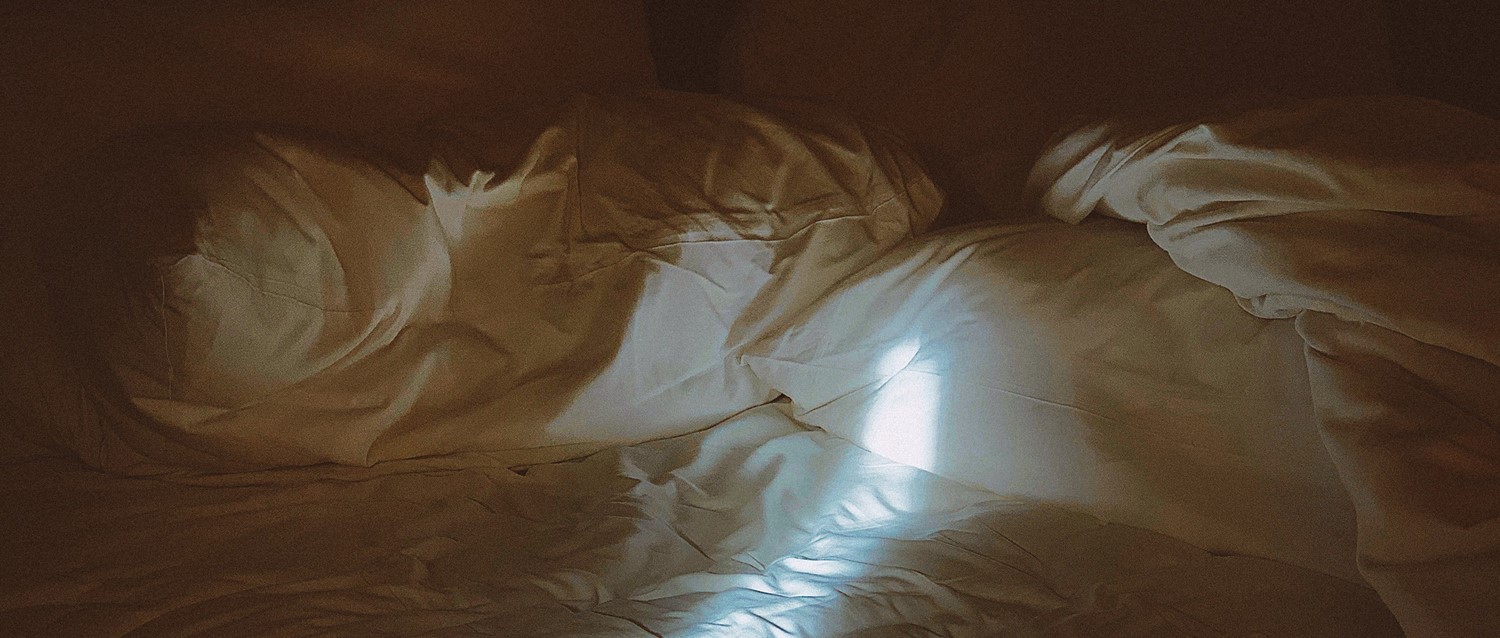
What causes sleep paralysis?
Peer reviewed by Dr Sarah JarvisAuthored by Elizabeth Sulis KimOriginally published 6 Jun 2019
Meets Patient’s editorial guidelines
- DownloadDownload
- Share
- Language
- Discussion
- Audio Version
- Add to preferred sources on Google
Sleep paralysis, where you wake up unable to move for a short time, is relatively common but it can be incredibly distressing. So what can you do to reduce the chances of it happening? And what can it tell you about your health?
Most people sometimes have vivid nightmares - but in sleep paralysis, it can be harder to distinguish such dreams from reality.
Sometimes Beth, 27, wakes up in the middle of the night unable to move. "It usually follows a nightmare," she says. "I hear a very loud scream upon waking. I try to open my eyes and can't for a while. Then when they open I see shadows or hear noises around me - footsteps or whispering. Sometimes it happens whilst my dream is still ongoing so the dream feels much more real."
Such experiences during sleep paralysis can be scarily realistic. "It is a reason why some people feel that certain strange events really occur, such as being abducted by aliens," says sleep expert and author of How to Sleep Well, Dr Neil Stanley.
Sometimes people with sleep paralysis will feel a heavy pressure on their chest - or they will have the sensation they're choking. Hazel, 35, has experienced this twice: "The first time I had sleep paralysis, it felt like a demon on my chest, crushing and suffocating me. The second time was the same, only it was my dead cat! It's the most terrifying thing I've ever experienced. I was afraid to go to sleep for weeks after it."
What is sleep paralysis?
Sleep paralysis can sometimes happen when you're in between being asleep and awake. Dreams occur during rapid eye movement (REM), when there is no motion or muscle activity. Sleep paralysis happens when our body's transition from REM sleep is out of sync. A patient becomes conscious while still in the paralysed dream state.
"Essentially when you are dreaming, you are usually paralysed so that you are unable to act out your dreams," explains Stanley. "However sometimes when you wake up from a dream this paralysis may persist for a number of seconds, causing the feeling that you cannot move or breathe."
What does it say about your overall health?
"Although sleep paralysis can be frightening, especially if it occurs after a 'scary' dream, it is harmless," reassures Stanley.
According to a recent study, sleep paralysis is connected to general sleep quality and insomnia, frequently co-occurring with other sleep experiences such as nightmares and exploding head syndrome - a condition where the sleeper experiences auditory hallucinations, such as gunfire, cymbals or fireworks, as they are falling asleep or waking up.
How to avoid sleep paralysis
Improve sleep quality
"There is no actual cause of sleep paralysis and little that you can do to prevent it, although anything that improves quality of your sleep may reduce the occurrence of it," reveals Stanley.
"[My sleep paralysis] generally calms down after about 10-15 seconds," says Beth. "I don't get it so much anymore. I've worked out that if I scare myself before bed or sleep in another room I'll generally get it, so I've managed to stave it off for about four months now."
Jet lag and stress can disrupt healthy sleep patterns, as can long daytime naps. Today, many people use smartphones before falling asleep, but blue light exposure at night can impact negatively upon sleep quality. Excessive caffeine or alcohol can also be detrimental to a good night's sleep. If sleep is consistently poor or erratic, it might be worth consulting your GP to rule out a sleep disorder.
Acceptance
Sleep paralysis is common and ultimately harmless - albeit frightening, emphasises Stanley. "Understanding what sleep paralysis is and the fact that it is both natural and harmless is the best way of preventing it being a problem."
"Particularly after that first experience of sleep paralysis, I was convinced it was actually real - that a demon had tried to possess me," says Hazel. "If it happened to me again, I would be disturbed but probably less scared knowing what it really is."
Patient picks for Sleep and insomnia
Healthy living
Is it really worth tracking your sleep?
Sleep tracking tech is becoming more popular, but will it really solve your insomnia? Abi Millar puts one device to the test.
by Abi Millar

Healthy living
How revenge bedtime procrastination affects your health - and how to avoid it
If you’ve ever stayed up late scrolling on your phone when you know you should be asleep, you’re not alone. You stay awake until the early hours to watch one more episode on Netflix, but when the morning rolls around, you’re exhausted. It’s something many of us do - and it’s called revenge bedtime procrastination.
by Lydia Smith
About the author
Authored by

Elizabeth Sulis Kim
About the reviewerView full bio

Dr Sarah Jarvis
Clinical Consultant
MA (Cantab), BM, BCh (Oxon), DRCOG, FRCGP, MBE
After training in medicine at Cambridge and Oxford, Dr Sarah Jarvis MBE became a GP.
Join the conversation
Share your thoughts or experiences with others in our patient communities.

Ask, share, connect.
Browse discussions, ask questions, and share experiences across hundreds of health topics.

Feeling unwell?
Assess your symptoms online for free
Sign up to the Patient newsletter
Your weekly dose of clear, trustworthy health advice - written to help you feel informed, confident and in control.
By subscribing you accept our Privacy Policy. You can unsubscribe at any time. We never sell your data.