
The best way to get rid of a hangover
Peer reviewed by Dr Krishna Vakharia, MRCGPLast updated by Victoria RawLast updated 4 Dec 2024
Meets Patient’s editorial guidelines
- DownloadDownload
- Share
- Language
- Discussion
- Audio Version
- Add to preferred sources on Google
Prevention might well be better than cure when it comes to drinking too much alcohol. But what if it's too late for that? We ask the experts exactly what happens to your body when you're hungover, offer practical steps to ease your symptoms and reveal how to stop history repeating itself.
Headache, nausea, anxiety, bottomless thirst, junk food cravings. Whole days lost to feeling awful.
In the UK, like so many countries, life, death and everything in-between are often observed with alcohol. So hangovers have become part of the culture.
We turn our hangovers into funny stories, invent unconventional cures for them - egg drop soup, anyone? - and even celebrate them in song and in books.
Yet when it comes to your physical and emotional health, hangovers - and the drinking too much that precedes them - are no laughing matter.
What causes a hangover?
The main cause of a hangover is ethanol - the pure alcohol in drinks. This toxic chemical that works as a diuretic - making you pee more and become dehydrated - is one of the main causes of a hangover.
One 10 millilitre unit of alcohol contains 8 grams of ethanol. The UK Chief Medical Officer advises that men and women should drink no more than 14 units a week, ideally spread evenly over three or more days.
As well as a headache, nausea, tiredness and dehydration, hangovers can also leave people struggling to concentrate, feeling irritable and sensitive to light.
Binge drinking is even more harmful than regular alcohol intake since higher levels of alcohol are in the body at one time, leading to more toxicity.
There is also a higher level of acetaldehyde - a chemical made from alcohol during the breakdown process. Even more toxic than alcohol itself, acetaldehyde is responsible for many hangover symptoms.
As for the centuries-old debate as to which alcoholic drinks cause the worst hangovers, best avoid bourbon, rum and red wine as these all contain chemicals called congeners. These are by-products of fermentation, which cause toxic effects in their own right.
How to avoid a hangover
Prevention may be better than cure, but if you have over-indulged then there are ways to treat your hangover symptoms.
Be aware of hangover cure myths - it isn't a good idea to drink more alcohol the following morning. In fact, it's best to avoid it completely for a few days to give your liver and brain a chance to recover.
Avoid painkillers - aspirin and ibuprofen can further irritate a tender tummy, and paracetamol can put a strain on your already overworked liver.
Stay hydrated - drink some water or fresh fruit juice.
Eat well - you may also be short of essential vitamins and minerals. Eat a healthy breakfast with fruit, grains and protein. To replace potassium, bananas are a good source.
Sleep it off - alcohol tends to cause restless sleep, so you will benefit from going back to bed for a while.
Be patient - the main way to get over a hangover is time. It takes between 8 and 24 hours to recover, so be prepared to wait it out.
Supplements - consider taking a multivitamin supplement.
Dr Clare Morrison, Blackberry Clinic, Fareham, UK says: "There is no evidence that the celebrity favourite IV vitamin drip will help you avoid or get over a hangover. Mineral loss can also be overcome by eating soup, eggs, nuts, or even a rehydration sachet, while feeling sick can be eased by eating ginger."
The effects of excessive drinking
Drinking too much alcohol is associated with everything from liver disease, depression and cancer - particularly of throat, oesophagus, mouth, breast, bowel and liver - to pancreatitis, strokes and heart disease.
Too much alcohol can also lead to overly-impulsive behaviour, resulting in accidents, fights and unsafe sex. If a woman drinks heavily during pregnancy, the baby may be born with fetal alcohol syndrome, behavioural problems and facial deformity.
Morrison has had first-hand experience of the devastating effects of alcoholism on health and personal relationships.
"I often see people with alcohol issues during the course of my work as a doctor - sadly, many of these are young women," she says. "They are often pleasant people who have low self-esteem.
"I can think of one woman, who lost her husband, young children, job, home and health because of her uncontrolled drinking. It ruined her life for several years. However, with support and treatment, she managed to stop drinking and get her life back on track."
Worried about your drinking? Here's how to cut down
If you drink alcohol regularly - for example, to relax and de-stress after work - it is easy to build up a tolerance. Before long, you may feel anxious, jittery, or be unable to sleep if you don't have a drink.
It can take some willpower, but it is possible to reverse your reliance on alcohol.
The experts share their advice:
Think about how much you drink during the week. This will help you assess the extent to which your drinking may be harmful to you, and consider the potential benefits of cutting down.
Start with several drink-free days each week - if stopping altogether seems daunting at first.
Stop altogether and seek advice from a doctor or an organisation - such as Alcoholics Anonymous - if your drinking has become a serious problem, or is linked to mental health issues. Morrison says: "However, sometimes it's not safe to stop suddenly. For example, if you are susceptible to seizures, you may need help from a specialist centre, and perhaps a detox. If you are anxious, depressed or can't sleep, you may also need treatment for this - perhaps medicine or cognitive behavioural therapy."
Accept the support of friends and family and - if needed - support groups and medical professionals.
Patient picks for Alcohol advice
Healthy living
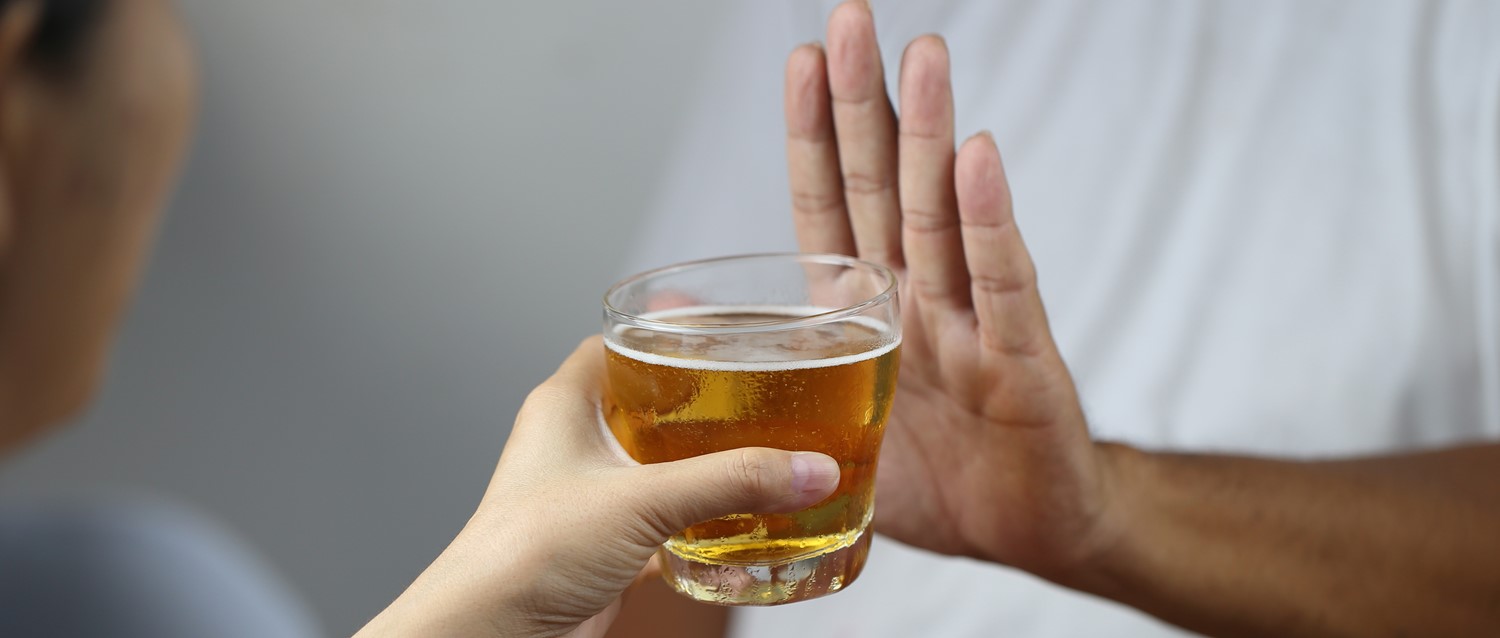
What not to say to someone who doesn't drink alcohol
There are a variety of reasons why people don't drink alcohol. Maybe it's a simple lifestyle choice, or they might be trying to overcome an addiction. Whatever the situation, it's important to be respectful, particularly as we enter Christmas and New Year party season. Likewise, if you're struggling with your drink, there are places you can seek help.
by Emily Jane Bashforth
Healthy living
One in five hospital patients have a problem with alcohol
One in 10 people admitted to an NHS hospital are addicted to alcohol, new research finds.
by Ashwin Bhandari
About the authorView full bio
Updated by

Victoria Raw
Feature Writer
BA (Hons), English Literature
Victoria is a content writer at Patient, with special interests spanning mental wellbeing, societal trends and the impact of technology on our health.
Authored by

Julian Turner
Freelance Journalist
Julian Turner is a freelance journalist and Editor of Compelo Energy.
About the reviewerView full bio

Dr Krishna Vakharia, MRCGP
Chief Medical Officer for Health, Optum UK
MBChB, MRCGP(2013), BMedSci (hons), DFSRH, DRCOG, PGDipDerm (Distn)
Dr Krishna Vakharia is an NHS GP. She is also a regular examiner for the postgraduate Diploma in Practical Dermatology at Cardiff University as well as being the Chief Medical Officer for health at Optum UK.
Article history
Article also available in English, German, Spanish, French, Italian, Portuguese, Hindi, Hebrew, Arabic, and Swedish.
Next review due: 6 Dec 2027
4 Dec 2024 | Latest version
24 May 2018 | Originally published
Authored by:
Julian Turner
Join the conversation
Share your thoughts or experiences with others in our patient communities.

Ask, share, connect.
Browse discussions, ask questions, and share experiences across hundreds of health topics.

Feeling unwell?
Assess your symptoms online for free
Sign up to the Patient newsletter
Your weekly dose of clear, trustworthy health advice - written to help you feel informed, confident and in control.
By subscribing you accept our Privacy Policy. You can unsubscribe at any time. We never sell your data.