How to use eye drops
Peer reviewed by Prof Cathy Jackson, MRCGPAuthored by Dr Mary Harding, MRCGPOriginally published 11 Oct 2017
Meets Patient’s editorial guidelines
- DownloadDownload
- Share
- Language
- Discussion
- Audio Version
- Add to preferred sources on Google
This leaflet gives general advice on how to use most eye drops. However, you may be given specific instructions which may vary from the advice below. If you have any queries, ask your pharmacist.
Using eye drops
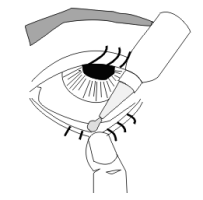
Diagram showing how to use eye drops
Wash your hands and sit or stand in front of a mirror.
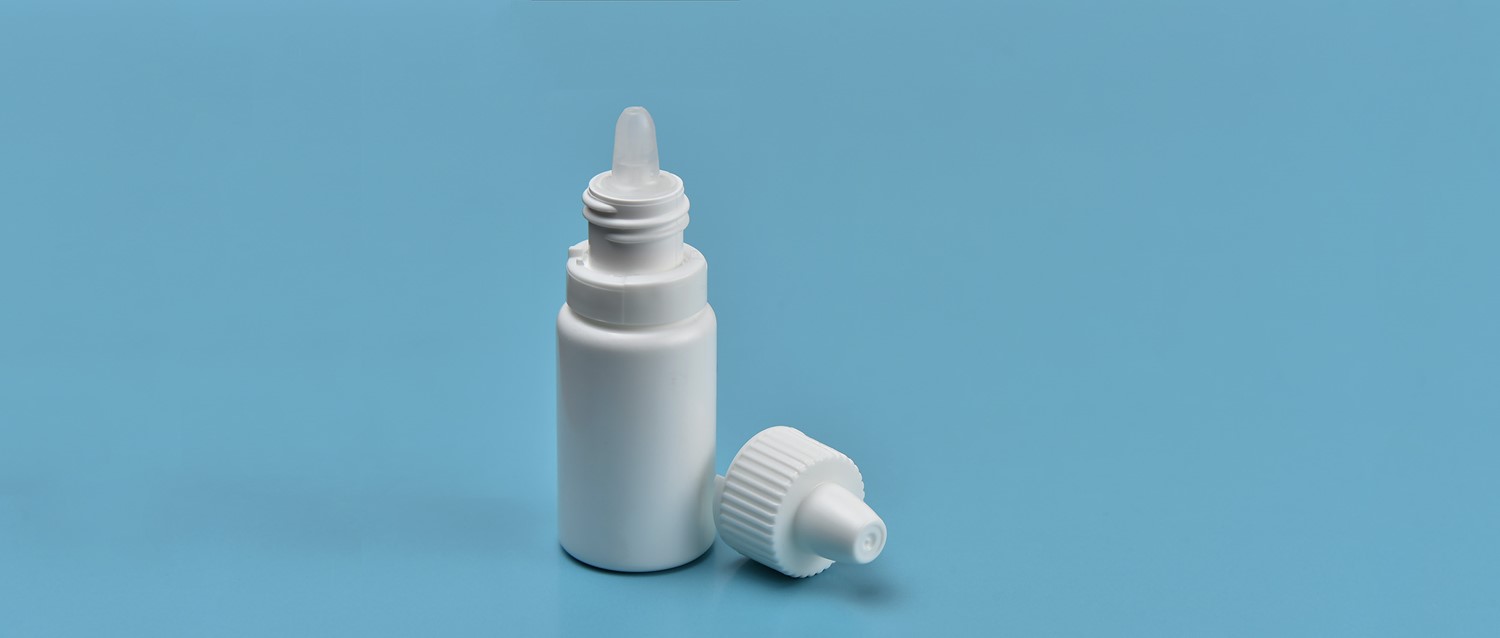
Take off the top of the bottle.
Bend your head backwards and gently pull your lower eyelid down.
Hold the dropper above one eye. Squeeze one drop into the pocket formed by gently pulling down the lower eyelid. Try not to touch your eye, eyelashes, or anything else with the dropper tip in order to keep it clean.
Let go of the eyelid and keep the eye closed for as long as possible (2-3 minutes at least) after application of the eye drop, with your head tilted down towards the floor.
Press gently on the tear duct (inner corner of the eye) with one finger for a minute.
Wipe away any liquid that falls on to your cheek with a tissue.
Repeat in the other eye if the drop is prescribed for both eyes.
When two different eye drop preparations are used at the same time of day, wait for at least five minutes before putting the second drop into an eye. This stops the first drop from being diluted or washed away.
Some useful tips about eye drops
Keep the bottle closed in a cool, dark place (unless otherwise advised).
Do not let the dropper or dropper nozzle touch your eye, fingers, or any other surface. This is to keep it free from germs.
Do not let anyone else use your drops and do not use anyone else's drops yourself.
Keep the eye drops out of children's reach.
Throw out the bottle (and get a new one if required) after the recommended time. This is often four weeks after first opening the bottle. There is a risk that the drops may become infected if they are kept and used for longer than advised. (One tip is to write the date that you opened the bottle on the label so you will know when it is time to throw it out.)
Some eye drops come in disposable single-dose units rather than in bottles.
You may get a taste of eye drops in your mouth, or a feeling that the drops are running down your throat. This is normal as the tear duct which drains tears to your nose will also drain some of the eye drop. To prevent this gently press on the tear duct for a minute or so after applying the drop. This will also help prevent any of the eye medication getting into the rest of your system,
Some eye drops sting or irritate for a short while. Rarely, some people are allergic to some eye drops. Tell your doctor if eye symptoms become worse after using eye drops.
Do not drive until your vision has cleared.
Do not wear contact lenses whilst using eye drops unless otherwise advised. (Some drugs and preservatives in eye drops can accumulate in soft contact lenses and may cause harm.)
There are devices available to help people who have difficulty squeezing the bottle accurately. Your pharmacist should be able to advise you on how to obtain one.
How to give eye drops to children
This will depend on the age and co-operation of the child but can be a challenge. Depending on their age, you can:
Sit the child with their head tilted back.
Lay them flat on their back.
Ask another adult to hold them securely.
Wrap the child in a blanket to keep their arms and legs still.
Then apply the drop using the same instructions above.
If the child is very distressed and if it is the only way you can administer the drop, there is another option. However, this does not work so well; therefore, only use it as a last resort. Lay the child on their back with their eyes closed. Allow the drop to fall on the skin just next to the inner corner of the eye by the nose. As the child opens their eyes, some of the drop should enter the eye.
Patient picks for Eye health
Eye health
How to reduce eye strain while watching TV
If you've ever experienced irritated eyes, blurred vision, or headaches while watching TV, you may be one of the many people who encounter eye strain. This common but temporary eye complaint can be soothed or avoided if you adopt some healthy TV viewing habits.
by Amberley Davis

Eye health
What is astigmatism
Astigmatism is a common condition which is usually easily corrected with glasses, contacts lenses or, sometimes, surgery. Here we look at what it means if you have the condition, and what you can do about it.
by Simon Berry, MCOptom
About the authorView full bio
Authored by

Dr Mary Harding, MRCGP
General Practitioner, Medical Author
BA, MA, MB, BChir, MRCGP, DFFP
Dr Mary Harding qualified from Cambridge University medical school in 1989.
About the reviewerView full bio

Prof Cathy Jackson, MRCGP
Medical Author
BSc (Hons) Physiology, MB, ChB, MRCGP, MD
Professor Cathy Jackson graduated from Manchester Medical School having gained a first-class honours degree in physiology along the way.
Article history
Article also available in English, German, Spanish, French, Italian, Portuguese, Hindi, Hebrew, Arabic, and Swedish.
11 Oct 2017 | Originally published
Authored by:
Dr Mary Harding, MRCGPPeer reviewed by
Prof Cathy Jackson, MRCGP
Join the conversation
Share your thoughts or experiences with others in our patient communities.

Ask, share, connect.
Browse discussions, ask questions, and share experiences across hundreds of health topics.

Feeling unwell?
Assess your symptoms online for free
Sign up to the Patient newsletter
Your weekly dose of clear, trustworthy health advice - written to help you feel informed, confident and in control.
By subscribing you accept our Privacy Policy. You can unsubscribe at any time. We never sell your data.