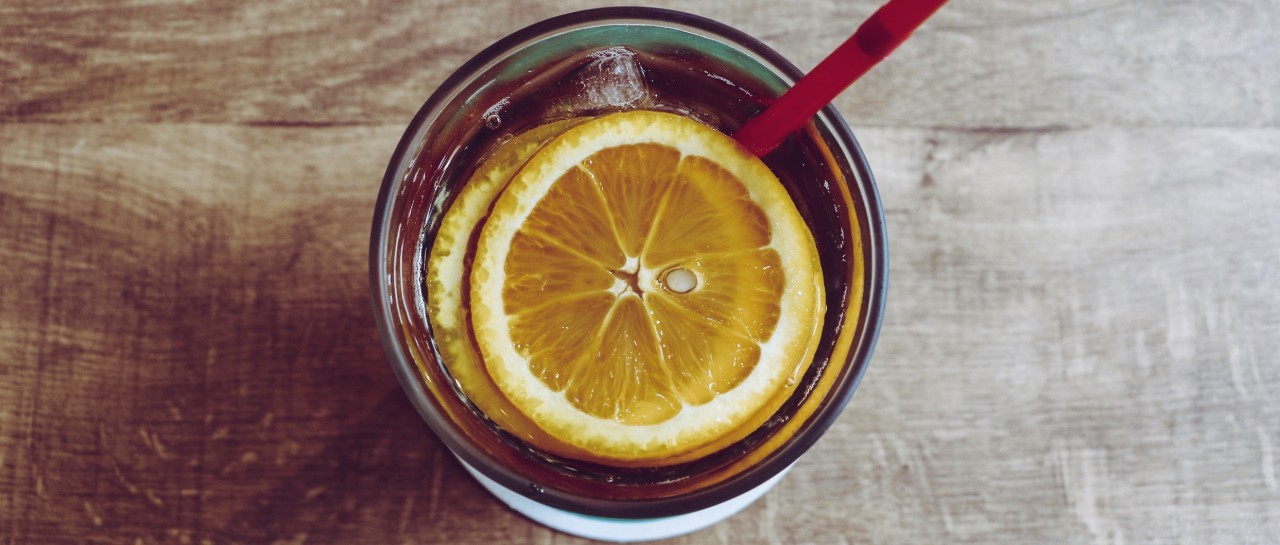
Two soft drinks a day may increase risk of early death
Peer reviewed by Natalie HealeyAuthored by Milly EvansOriginally published 4 Sept 2019
Meets Patient’s editorial guidelines
- DownloadDownload
- Share
- Language
- Discussion
- Audio Version
- Add to preferred sources on Google
A study has suggested that drinking soft drinks, including sugar-free, increases the risk of death.
The findings, published in the journal Jama Internal Medicine, found that drinking both sugary and artificially sweetened ('diet') soft drinks was associated with a higher risk of death.
The study looked at around 452,000 people from 10 European countries including Denmark, France, Greece, Germany, Italy, the Netherlands, Norway, Spain, Sweden and the UK.
The researchers looked at data from food questionnaires or interviews from 1992 to 2000. Participants were followed up an average of sixteen years later. In this time, 41,693 deaths were recorded.
The researchers found that when drinking two or more glasses of soft drinks a day, compared to drinking less than one a month, all types of soft drinks were associated with an increased risk of death from all causes. Those consuming two or more glasses were found to have an increased risk of circulatory diseases and those consuming just one glass a day had a higher risk of dying from digestive diseases.
Drinking soft drinks was not found to increase the risk of dying from cancer.
The study is the largest of its kind. The researchers say that their findings support ongoing public health initiatives to encourage healthy eating and reduce soft drink consumption. But this research only shows a correlation between soft drinks and early death. It does not prove fizzy beverages cause early death. Additionally, the findings relied on participants reporting their soft drink intake, which may not be reliable.
"Our results for sugar-sweetened soft drinks provide further support to limit consumption and to replace them with other healthier beverages, preferably water," study coauthor Neil Murphy, a scientist at the International Agency for Research on Cancer, told Reuters. "For artificially sweetened soft drinks, we now need a better understanding of the mechanisms that may underlie this association and research such as ours will hopefully stimulate these efforts."
This study was published in Jama Internal Medicine.
Patient picks for Healthy eating

Diet and nutrition
The health benefits of coffee and tea
Sitting down with a nice cup of tea or coffee has to be one of life's great pleasures, but contradictory news stories about caffeine have left many confused about whether this simple treat carries risks to our health. So what's the truth? Stick the kettle on, and read the coffee facts minus the froth.
by Dr Sarah Jarvis
Diet and nutrition
Do you really need to give up sugar?
Sugar detoxes are popular, especially after the festive season. But giving up sugar entirely may not be the best option for everyone and doesn't necessarily lead to a healthy diet.
by Léa Surugue
About the authorView full bio

Milly Evans
Editor
Milly writes on a range of health topics, with a particular interest in health inequality and sexual health.
About the reviewerView full bio

Natalie Healey
Freelance journalist
BSc (Hons) Biomedical Science
She is a London-based health journalist who has been writing about science and medicine for several years. She is the former head of editorial at Patient.
Article history
Article also available in English, German, Spanish, French, Italian, Portuguese, Hindi, Hebrew, Arabic, and Swedish.
4 Sept 2019 | Originally published
Authored by:
Milly EvansPeer reviewed by
Natalie Healey
Join the conversation
Share your thoughts or experiences with others in our patient communities.

Ask, share, connect.
Browse discussions, ask questions, and share experiences across hundreds of health topics.

Feeling unwell?
Assess your symptoms online for free
Sign up to the Patient newsletter
Your weekly dose of clear, trustworthy health advice - written to help you feel informed, confident and in control.
By subscribing you accept our Privacy Policy. You can unsubscribe at any time. We never sell your data.
More in diet and nutrition
- 10 essential nutrients you might be lacking
- C-section babies have different gut bacteria to those born vaginally
- Can changing your diet ease endometriosis symptoms?
- UpdatedCan diet affect your ADHD?
- Coeliac disease diet sheet
- Foods to boost your immune system this winter
- How to stop your sugar cravings
- Is your child eating too much sugar?
- PCOS diet: What to eat to manage symptoms
- Raw milk - is it actually good for you or just another wellness trend?
- Size matters: why our oversized portions are contributing to the obesity crisis
- Ultra-processed foods: Are dairy-free milks like oat or soya good for us?
- Vitamin B12 deficiency signs you need to know
- What are the health benefits of spicy food?
- What is the Korean diet?
- What's the healthiest high street Christmas sandwich?
- Whole grain heroes: Why eat ancient grains?
- Why fad diets can actually lead to weight gain
- Why is cottage cheese the new diet trend?
- Why ultra-processed foods are so addictive - and how to cut down