How to gain weight healthily
Peer reviewed by Dr Krishna Vakharia, MRCGPLast updated by Victoria RawLast updated 22 Aug 2024
Meets Patient’s editorial guidelines
- DownloadDownload
- Share
- Language
- Discussion
- Audio Version
- Add to preferred sources on Google
We talk a lot about losing weight to improve our health - but what if we need to do the opposite? A dietitian shares expert advice on how to gain weight the right way.
There are many reasons why you might like to gain weight. If you've been unwell or receiving treatment for a condition like cancer, it's not uncommon to lose weight, especially if you are unable to eat or you have no appetite. You might choose to put on weight for aesthetic reasons, such as someone who goes to the gym and wants to build more muscle.
Whatever your motive, it's important to make sure you manage your weight gain healthily.
Healthy ways to gain weight
Create an energy surplus - eating more calories
Kirsty Barrett, a registered dietitian says: "To gain weight you need to create an energy surplus." This means taking in more energy than you burn off.
If you are trying to lose weight through your diet - one way is to consume fewer calories than your recommended daily intake which is around 2,000 calories for women and 2,500 calories for men. If you are trying to gain weight you should eat more, to get extra energy.
"This can be done by generally just increasing the quantities that you eat, but not everyone is able to do this," she explains. "The easiest way to increase energy intake is to increase the fat content of the diet."
According to Barrett, fat has 9 calories per gram, whereas carbohydrates and protein have 4 calories per gram.
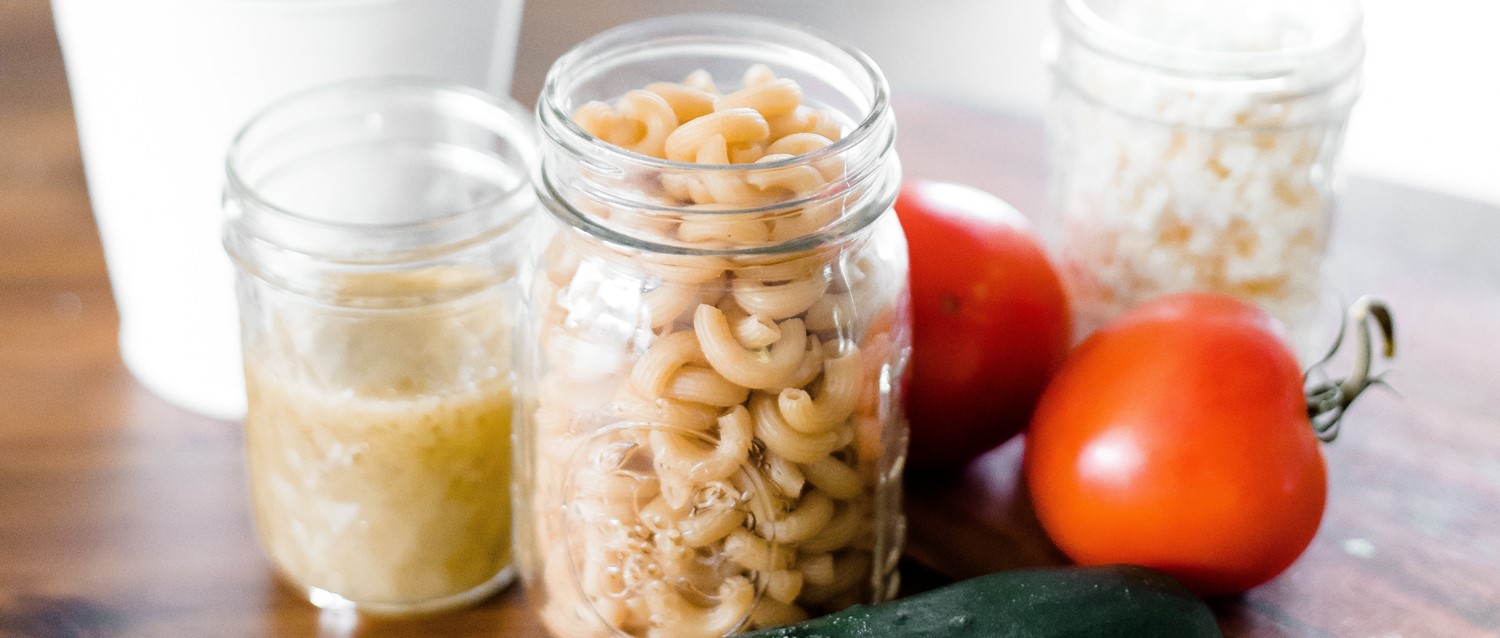
"Obviously, eating high-fat foods on their own - think oils, butter, spreads and cream - isn't particularly enjoyable. As dietitians we tend to advise adding these things to meals to increase their calorie content. For example, adding a teaspoon of oil into pasta sauces, cream and cheese to soups, or cream to fruit-based puddings."
However, it's important to continue to eat healthy foods, along with high-fat foods to your diet. These include fruits, vegetables and wholegrains, which provide nutrients and fibre.
Build muscle
There are different ways to approach weight gain. You may be medically underweight or need to gain weight for health reasons. Or you may be of a healthy weight but still want to gain weight - for example, to develop a more muscular build.
The main difference between dietary changes for these scenarios is the amount of fat that you should be eating.
"In both of these situations you want to gain muscle," says Barrett. "If you have been unwell, you likely also want to promote some restoration of body fat as well.
If you have been unwell in hospital and have lost weight, focus more on overall energy intake, ideally looking at things that are both high in fat and also high in protein - cheese, full-fat yoghurt, nuts and seeds.
"If you are at the gym, focus more on higher-protein foods. Choose lower-fat varieties but ensuring your energy intake is enough to support muscle growth. Protein, especially when paired with resistance exercise, promotes muscle synthesis."
Consume healthy fats
If you're looking to put on weight, you might be thrilled by the idea of loading up on cakes and pastries. But there is a big difference between saturated and unsaturated fats.
"Health-wise, saturated fats are linked with increased cholesterol levels and therefore an increased chance of heart disease," says Barrett. "They are generally from animal sources and are solid at room temperature. Unsaturated fats generally reduce your cholesterol levels and protect your heart."
It's important not to throw all of the healthy eating rules out the window. Bingeing on foods packed full of saturated fats can increase your likelihood of health problems - particularly in those who already have high chances, or are younger and of normal weight.
"The gamble would generally be bigger if you have a higher chance of heart disease," says Barrett. "For example, if you who have already had a heart attack or stroke, have a strong family history of these conditions, or have an already raised cholesterol level.
"A combination of unsaturated fats and exercise is the healthiest way to up your calories", says Barrett. "Unsaturated fats such as nuts and seeds are good as they contain both protein and fat. Ideally, to gain weight, you should gain muscle rather than fat. Exercise is crucial in signalling the muscles to build and repair themselves, so is key if you want to gain weight."
If you are going to include saturated fats in your diet, go for dairy, she explains:
"There is some emerging research that suggests some saturated fats may have a protective effect. This has been found in dairy fats, whereby these types of fats actually seem to be protective and reduce your chance of heart disease, and especially stroke.
"Although it contains saturated fat, dairy is a great way to try and increase weight due its protective effect on your heart. It's also a good source of easily absorbable protein. We would generally promote trying to increase unsaturated fats first line, but - as mentioned - increasing dairy fat may be less problematic than increasing fats from cakes, pastry, meat and so on."
Increasing your intake
Increasing your portion sizes and the amount you eat seems like the simplest way to start gaining weight. However, this might not be possible if you find it difficult to keep food down or to stomach large amounts of food.
For this, Barrett recommends food fortification - increasing the content of nutrients in food.
"Food fortification is a great way to increase energy intake without increasing the volume you have," she explains.
Some examples of this might be:
Adding cream into porridge in the morning.
Being more liberal with butter on toast.
Melting butter on to vegetables.
Topping pasta meals with cheese.
Making a milky drink.
"Nutrients don't just have to come from food either," she says. "If you are trying to gain weight use nourishing fluids such as milk, fruit juices or smoothies to ensure you are also getting some energy from drinks as well. They all still count towards fluid intake."
Taste changes
If you lose weight through illness you might not be able to enjoy foods that you once loved. If you who have gone through cancer treatment you may experience taste changes which make certain foods bland or nauseating.
"Taste changes can be really difficult," says Barrett. "Sometimes you may prefer cooler foods such as ice cream or yoghurts. If you want stronger flavours, using lemon or lime, spices, gravies or sauces can be helpful. If you are struggling with gaining weight after being unwell, you may referred to see a dietitian about this through your doctor."
When to speak to a doctor
If you are planning to make significant changes to your diet - especially if it's for medical reasons - speak with a doctor or pharmacist so they can make sure you gain weight in a controlled and healthy way.
Patient picks for Healthy eating

Diet and nutrition
Patient's Christmas Cook Off
At Christmas, the food is perhaps more important than the presents. It's an indulgent time, one for turkey with all the trimmings, sprouts laced with cream and bacon, and potatoes roasted in duck fat. Here at Patient, we don't necessarily think you should feel guilty for ditching the diet at this time of year. But there are ways of cooking the Christmas lunch that can make it more nutritious. So we challenged three professional chefs from the Healthy Eating Company to cook healthy versions of roast potatoes, mince pies and stuffing, without sacrificing on taste. Nutritionist Rose Constantine Smith was on hand to help us judge the health content of the chefs' offerings.
by Natalie Healey
Diet and nutrition
How to eat well when it's hard to shop and cook
Ultra-processed food - such as canned soup and ready meals - is an obvious go-to for people who struggle to shop and cook. But a new study finds it is associated with a higher risk of all-cause mortality. Can we avoid it?
by Ellie Broughton
About the authorView full bio
Updated by

Victoria Raw
Feature Writer
BA (Hons), English Literature
Victoria is a content writer at Patient, with special interests spanning mental wellbeing, societal trends and the impact of technology on our health.
Authored by

Lydia Smith
Feature writer
BA, MA, MSc
Lydia Smith is an award-winning journalist and feature writer who has written extensively on women's health and mental health. She is currently studying for an MSc in psychology.
About the reviewerView full bio

Dr Krishna Vakharia, MRCGP
Chief Medical Officer for Health, Optum UK
MBChB, MRCGP(2013), BMedSci (hons), DFSRH, DRCOG, PGDipDerm (Distn)
Dr Krishna Vakharia is an NHS GP. She is also a regular examiner for the postgraduate Diploma in Practical Dermatology at Cardiff University as well as being the Chief Medical Officer for health at Optum UK.
Article history
Article also available in English, German, Spanish, French, Italian, Portuguese, Hindi, Hebrew, Arabic, and Swedish.
Next review due: 22 Aug 2027
22 Aug 2024 | Latest version
8 Aug 2023 | Originally published
Authored by:
Lydia Smith
Join the conversation
Share your thoughts or experiences with others in our patient communities.

Ask, share, connect.
Browse discussions, ask questions, and share experiences across hundreds of health topics.

Feeling unwell?
Assess your symptoms online for free
Sign up to the Patient newsletter
Your weekly dose of clear, trustworthy health advice - written to help you feel informed, confident and in control.
By subscribing you accept our Privacy Policy. You can unsubscribe at any time. We never sell your data.