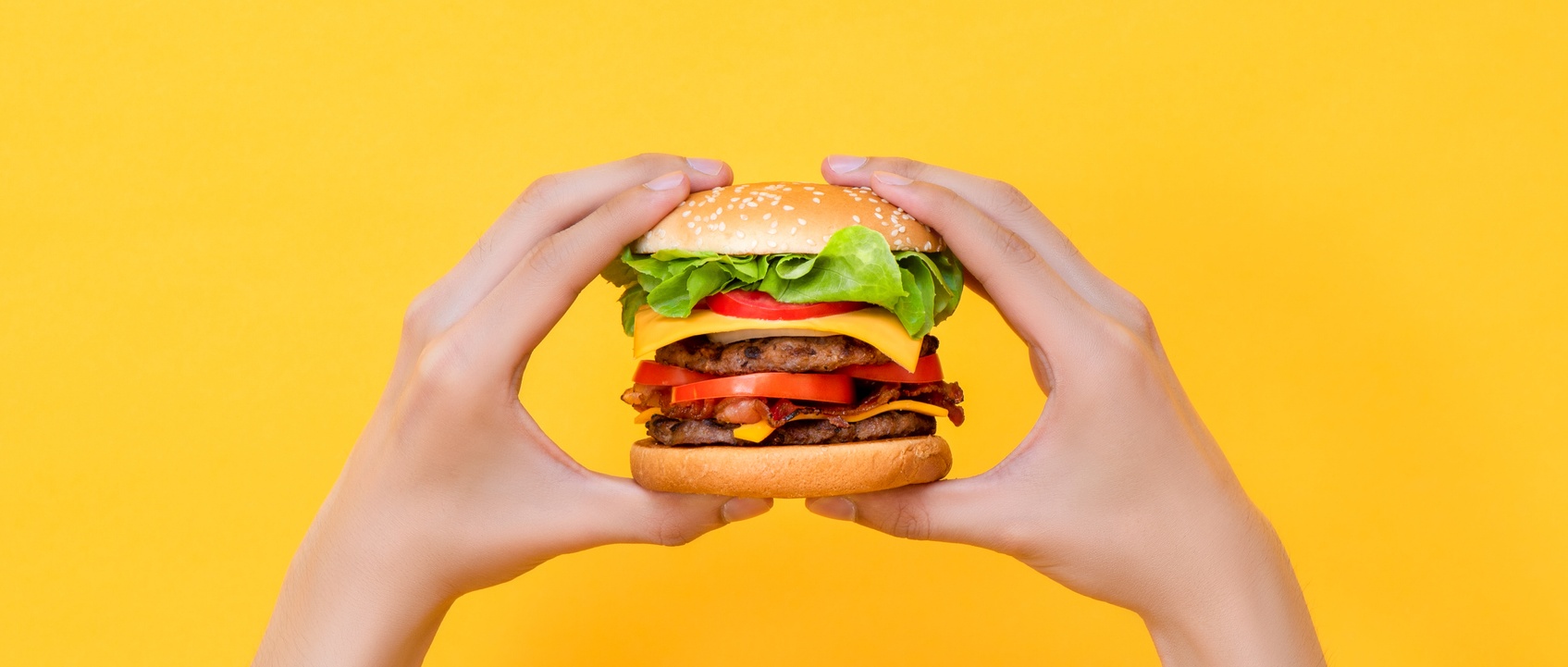
Come evitare i cibi ultra-processati quando sei vegano
Revisione paritaria di Dr Krishna Vakharia, MRCGPUltimo aggiornamento di Victoria RawUltimo aggiornamento 27 gen 2025
Rispetta le linee guida editoriali
- ScaricaScarica
- Condividi
- Language
- Discussione
- Versione audio
- Aggiungi alle fonti preferite su Google
More people are cutting out meat in favour of plant-based diets for ethical, environmental and health reasons. But not all plant-based foods - either vegetarian or vegan - are as healthy as we think they are. In fact, some are classed as ultra-processed foods, which have been linked to heart disease and cancer.
Following a plant-based diet is a great way to eat more fruits, verdure and pulses. These foods contain lots of nutrients that are good for us - as well as plenty of fibre to keep our digestive systems healthy.
Vegetarians, vegani, and pescatarians - those that only eat fish - also avoid eating carne rossa oppure processed meat like sausages and bacon, which contain more nitrates, salt, and fat and have been linked to cancer. And of course, there are environmental benefits to eating less meat, including lowering carbon emissions.
Eating more plants and less meat also reduces your chance of developing health problems like malattie cardiache. Studies show that people on plant-based diets have a lower likelihood of heart attack and stroke compared to those on omnivorous diets - eating meat and vegetables.
However, research also shows a plant-based diet isn’t always healthy. Imitation meats or meat substitutes - such as vegan nuggets, sausages, and burgers or fake chicken pieces and ready meals - are sometimes classified as ultra-processed foods.
These are convenience foods that contain additives like dolcificanti, salt, and artificial flavours but contain few nutrients.
Why are some plant-based foods ultra-processed?
Reema Pillai, a registered dietitian at Dietitian Fit, says that the rise in vegetarianism and veganism has led to a demand for meat alternatives in recent years.
She says that while these may seem like a great way to help reduce meat consumption - if that is your aim - it is also important to keep in mind that many of these alternatives would be classed as ultra-processed foods.
"Often, these foods contain additives such as emulsifiers, texturisers and colours," she explains. "They may also be classed as high added sale, fat or sugar foods.
It’s important to look at the overall processing of a plant-based product to understand its nutritional profile and to ensure it is actually a more nutritious option."
There’s no denying that eating less carne - and particularly carne rossa - can come with health benefits. But ultimately, meat and fish in their purest form are unlikely to be heavily processed because they are a single ingredient food.
When we try to recreate them using ingredients like soya, bean or pea protein, we have to process them to make them look and taste palatable. This means adding salt, sugar, fat and other additives to increase taste and prolong their shelf-life. However, we assume they’re healthy because of the 'plant-based' label.
Should we be eating plant-based alternatives?
Often, vegana oppure vegetarian meat alternatives or ready meals contain less saturated fat than animal-based products. So ultra-processed or not, you’ll be eating less saturated fat and that’s a good thing. However, any ultra-processed foods still contain more sugar, salt and other additives to provide flavour or texture.
Eating ultra-processed plant-based foods every so often is unlikely to cause any health problems. But overall - as is the case with any ultra-processed foods - it is probably better to eat them in moderation.
How to eat less vegan or vegetarian ultra-processed foods
Pillai advises you pay attention to the nutrient content of convenience foods when at the supermarket. Look at the ingredients list - if it’s very long and contains things you’ve not heard of, it’s probably very processed.
It’s not easy to eat healthily all the time when you’re busy. But cooking meals or sauces in batches and freezing them can make things easier when you’re tired or don’t have much time.
Lentils, beans or other pulses like chickpeas can bulk up a meal easily without the need for fake meats. Garlic, herbs and spices can make a dish tasty without additives like sweeteners or artificial flavours.
Pillai dice: "Overall, whole foods that are plant based, are considered the most beneficial to our health, such as fruits, verdure, grains, pulses, unprocessed soy, nuts and seeds, rather than vegan products which have undergone a high level of processing."
Scelte del paziente per Vegani e vegetariani
Dieta e nutrizione
Cosa succede al tuo corpo quando diventi vegano?
More of us than ever are going vegan. But how does a plant-based diet actually affect the body and what are the pitfalls to look out for?
di Abi Millar
Dieta e nutrizione
Le proteine vegetali potrebbero aiutare a prevenire l'ipertensione
Mangiare una maggiore quantità di proteine vegetali minimamente lavorate - come fagioli, noci e lenticchie - può ridurre il rischio di sviluppare ipertensione, secondo una nuova ricerca.
di Laura Williamson
Informazioni sull'autoreVisualizza il profilo completo

Lydia Smith
Scrittore di articoli
BA, MA, MSc
Lydia Smith è una giornalista pluripremiata e scrittrice di articoli che ha scritto ampiamente sulla salute delle donne e sulla salute mentale. Attualmente sta studiando per un MSc in psicologia.
Informazioni sul recensoreVisualizza il profilo completo

Dr Krishna Vakharia, MRCGP
Direttore Sanitario per la Salute, Optum UK
MBChB, MRCGP(2013), BMedSci (hons), DFSRH, DRCOG, PGDipDerm (Distn)
La Dott.ssa Krishna Vakharia è un medico di base del NHS. È anche un'esaminatrice regolare per il Diploma post-laurea in Dermatologia Pratica presso l'Università di Cardiff, oltre ad essere il Direttore Medico per la salute presso Optum UK.
Storia dell'articolo
Le informazioni su questa pagina sono revisionate da clinici qualificati.
Articolo disponibile anche in Inglese, Tedesco, Spagnolo, Francese, Italiano, Portoghese, Hindi, Ebraico, Arabo, and Svedese.
Prossima revisione prevista: 27 gen 2028
27 gen 2025 | Ultima versione
27 Set 2023 | Pubblicato originariamente
Autore:
Lydia Smith

Chiedi, condividi, connettiti.
Esplora le discussioni, fai domande e condividi esperienze su centinaia di argomenti di salute.

Non ti senti bene?
Valuta i tuoi sintomi online gratuitamente
Iscriviti alla newsletter di Patient
La tua dose settimanale di consigli sulla salute chiari e affidabili - scritti per aiutarti a sentirti informato, sicuro e in controllo.
Abbonandoti accetti i nostri Informativa sulla Privacy. Puoi annullare l'iscrizione in qualsiasi momento. Non vendiamo mai i tuoi dati.
Di più su dieta e nutrizione
- 10 sorprendenti benefici per la salute del cavolo
- 7 ricette di insalate estive leggere per le calde giornate estive
- 9 benefici per la salute dei semi di chia
- Gli integratori possono aiutare a gestire il diabete?
- È possibile abbassare il colesterolo solo con la dieta?
- Le diete per il Capodanno funzionano davvero?
- Come una colazione ricca di proteine può migliorare la tua salute
- Come influisce la dieta sulla demenza?
- Quanta carne dovremmo mangiare?
- Quanta carne rossa dovresti mangiare?
- Come mangiare più verdure senza sforzo
- Come vivere più a lungo: buone abitudini per una vita sana
- È sicuro per tutti assumere probiotici?
- Dovresti assumere probiotici durante la gravidanza?
- Modi semplici per seguire una dieta mediterranea
- Thinking about going vegan? Here's how to do it healthily
- Quali sono i vantaggi e gli svantaggi dell'assunzione di integratori?
- Cosa succede al tuo corpo quando diventi vegano?
- Cos'è l'ashwagandha? Benefici per la salute, usi e effetti collaterali
- Qual è la migliore dieta per la malattia di Crohn?