Do gummy vitamins work?
Peer reviewed by Dr Sarah JarvisLast updated by Lydia SmithLast updated 9 Feb 2024
Meets Patient’s editorial guidelines
- DownloadDownload
- Share
- Language
- Discussion
- Audio Version
- Add to preferred sources on Google
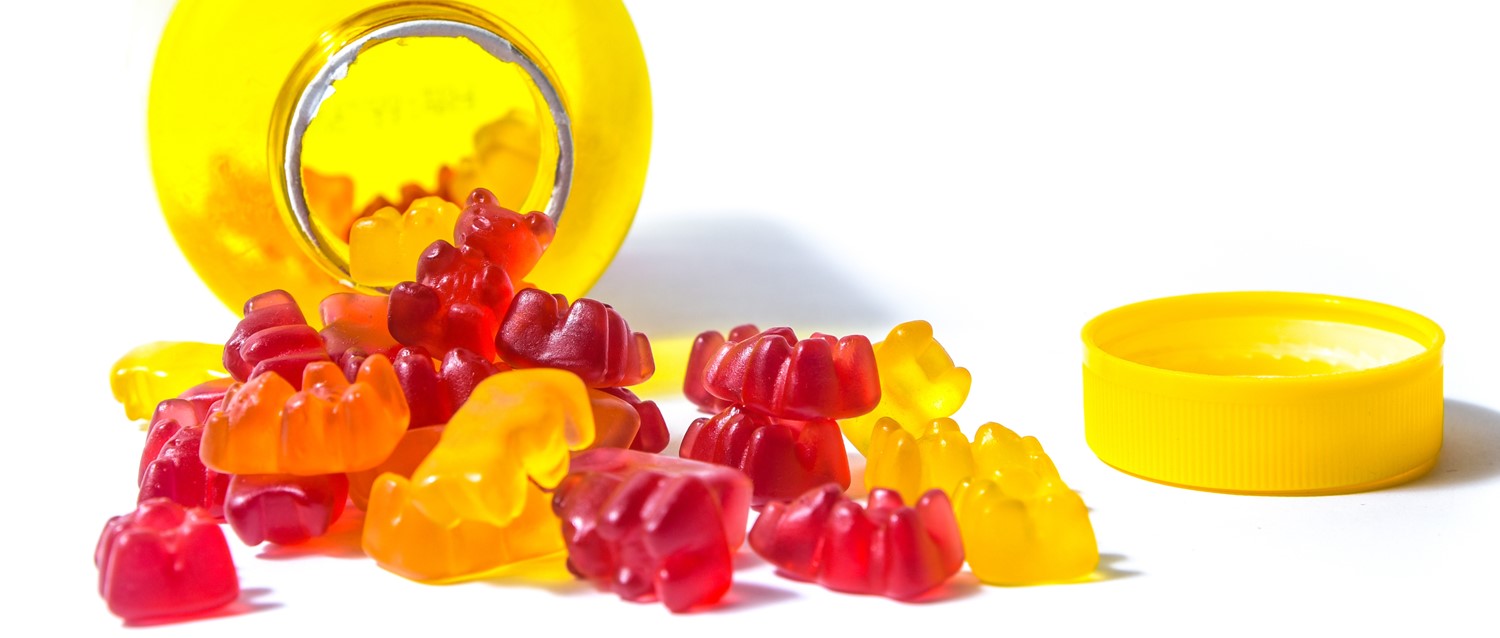
Gummy, chewable multivitamins are popular around the world among people who want to improve their diets. Although they taste like sweets, many promise to boost our health quickly with minimal effort. But are multivitamin gummies really that effective - and do we really need them?
What are multivitamin gummies?
Multivitamin tablets combine vitamins and minerals in one, easy-to-take supplement. Gummy versions are chewable and often contain sugar, sweeteners and gelatin or a plant-based alternative, making them both enjoyable and convenient to take.
They may also contain added colourings and flavourings. Essentially, they are designed to be more palatable to encourage more people, including children, to take them.
Although you can buy multivitamin gummies in supermarkets and pharmacies, you can also order them online. Some companies offer 'personalised' chewable vitamins which are allegedly tailored to people's needs, lifestyles and health goals. For example, many promise to boost energy levels, increase hair growth or improve skin appearance.
The global dietary supplement market, estimated to be worth 185.1 billion US dollars by 20251, is one of the fastest-growing beauty and wellness industries. Multivitamin gummies are often promoted by social media influencers on Instagram, who tout the alleged benefits of supplements to make sales. Some influencers have even launched their own multivitamin range.
Do multivitamin gummies work?
However, many experts say multivitamin gummies are a waste of money and aren't a substitute for a healthy, varied diet. Although dietary multivitamin gummies are growing in popularity around the world, research suggests most healthy individuals who eat a balanced diet don't need to take multivitamins2.
"For most of the population, multivitamin gummies are unnecessary as we can obtain the nutrients we need from food. Therefore, these can be seen as a waste of money," says Reema Patel, a registered dietitian at Dietitian Fit.
"However, there are certain population groups who may have higher needs of some nutrients or follow diets that may make it difficult to obtain the optimal level of these vitamins and minerals. In these cases, taking a multivitamin gummy may provide value."
Are there any downsides to multivitamins?
It's important to note that taking multivitamin gummies can mean consuming more sugar, although taking one gummy a day is unlikely to cause serious health problems for most people. Low-calorie or calorie-free sugar substitutes, such as artificial sweeteners, can also cause digestive issues in some people3.
GP Dr Sarah Jarvis also points to the risk of people believing that taking regular vitamin supplements means they don't need to take as much care with their diet. "I have lost count of the number of patients I've seen who believe that multivitamins allow them to ignore other aspects of their diet. Taking in vitamins as part of a healthy balanced diet means you're consuming lots of other micronutrients, dietary fibre etc - so people who take multivitamins as an alternative to a poor diet can still be at risk of a host of health conditions."
Are multivitamins really necessary for everyone?
For most individuals, multivitamins are not necessary. However, some people may benefit from taking multivitamin gummies.
"One supplement that is recommended for all adults and children aged over 4 years in the UK is vitamin D. This is because the best source is sunlight, rather than food," says Patel. "It's recommended that everyone take 10 micrograms of vitamin D3 per day, or vitamin D2 for vegans, between October and March."
People at high risk of vitamin D low levels or deficiency of vitamin D - including over-65s, people who cover up for religious reasons, people who don't get outside much, pregnant and breastfeeding women and possibly people with dark skin - should take a 10 microgram supplement all year round.
Those who follow a vegan diet for example can be at risk of certain deficiencies due to the lack of specific vitamins or minerals found in plant-based food. "This includes vitamin B12, calcium, iodine and omega 3. In this case, taking a supplement to ensure you are meeting your requirement for these nutrients can be beneficial," Patel says.
"Levels of iron and zinc can also be lower when following a vegetarian and vegan diet, as absorption may not be optimal from plant foods. In these cases, ensuring you are having a well-balanced and varied vegan or vegetarian diet is very important."
Although taking supplements can be an option, Patel advises checking your diet with a registered dietitian first to see if supplements are needed.
"If you are trying to become pregnant or are pregnant, there will also be certain vitamins and minerals that are recommended to take, such as folic acid and vitamin D," she says. "Certain medical conditions may impact the body's absorption of certain vitamins or minerals, which can increase the requirements for these people."
Are multivitamin gummies safe?
In the UK, food supplements are required to be regulated as foods and are subject to the provisions of general food law, so they are generally safe. However, this means they aren't subject to the more rigorous checks used for medicinal products.
Some studies and reports have linked excessive nutrient intake to health problems2,4. While very rare, overdosing on certain supplements can be toxic. The danger of overdosing can depend on whether a vitamin is soluble in fat or water. Water-soluble vitamins are digested quicker, whereas fat-soluble vitamins can be stored within fat deposits for long-term use.
Vitamin A is fat-soluble and consuming too much of it can lead to vision changes, nausea, migraines and even coma4. For the vast majority of people though, multivitamin gummies won't cause any harm - except to their bank accounts.
Further reading
Patient picks for Vitamins and supplements
Diet and nutrition
Most vitamin supplements aren't beneficial for health, study finds
Vitamin supplements show little evidence of health benefits and some could actually be harmful, suggests new research.
by Ashwin Bhandari

Diet and nutrition
Kimchi and sauerkraut: What are the benefits of eating fermented foods?
TikTok and Instagram are teeming with influencers who claim superfood status for all sorts of food products - some of which are not even healthy, let alone super. But when it comes to kimchi and sauerkraut, research suggests these fermented foods may actually contribute to a healthy digestive system. But why?
by Amberley Davis
About the authorView full bio
Updated by

Lydia Smith
Feature writer
BA, MA, MSc
Lydia Smith is an award-winning journalist and feature writer who has written extensively on women's health and mental health. She is currently studying for an MSc in psychology.
Authored by
Lydia Smith
Feature writer
BA, MA, MSc
Lydia Smith is an award-winning journalist and feature writer who has written extensively on women's health and mental health. She is currently studying for an MSc in psychology.
About the reviewerView full bio

Dr Sarah Jarvis
Clinical Consultant
MA (Cantab), BM, BCh (Oxon), DRCOG, FRCGP, MBE
After training in medicine at Cambridge and Oxford, Dr Sarah Jarvis MBE became a GP.
Article history
Article also available in English, German, Spanish, French, Italian, Portuguese, Hindi, Hebrew, Arabic, and Swedish.
Next review due: 9 Feb 2027
9 Feb 2024 | Latest version
24 Jan 2022 | Originally published
Authored by:
Lydia Smith
Join the conversation
Share your thoughts or experiences with others in our patient communities.

Ask, share, connect.
Browse discussions, ask questions, and share experiences across hundreds of health topics.

Feeling unwell?
Assess your symptoms online for free
Sign up to the Patient newsletter
Your weekly dose of clear, trustworthy health advice - written to help you feel informed, confident and in control.
By subscribing you accept our Privacy Policy. You can unsubscribe at any time. We never sell your data.