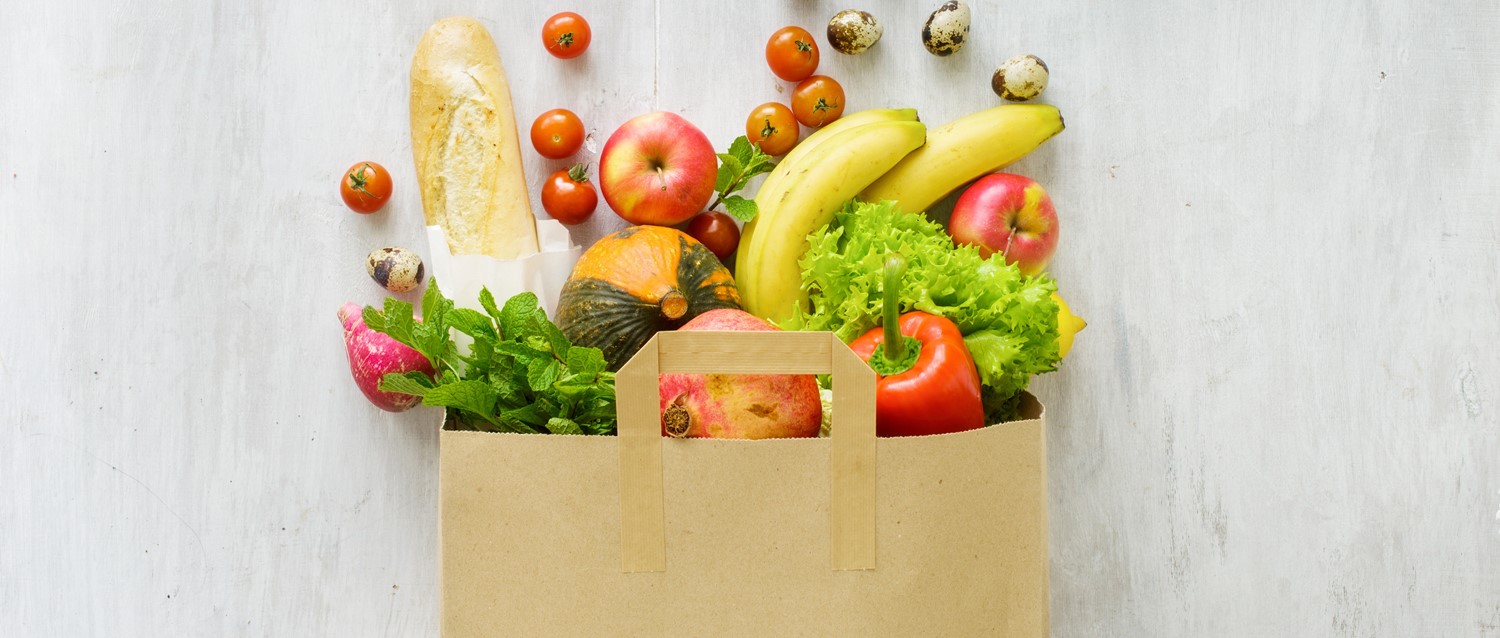
Food shopping tips for those with diabetes
Peer reviewed by Dr Sarah JarvisAuthored by Dr Mary Elisabeth Lowth, FRCGPOriginally published 10 May 2018
Meets Patient’s editorial guidelines
- DownloadDownload
- Share
- Language
- Discussion
- Audio Version
- Add to preferred sources on Google
It's natural to feel daunted after a diabetes diagnosis, especially when it comes to meal plans and your weekly shop. But there's no need to fear; the same healthy eating principles apply whether you have diabetes or not. This simple guide offers a common sense view to supermarket shopping for those with the condition.
Sign up for our free 10-week Diabetes course!
Each week, we'll explore a different topic to help you better understand and manage your diabetes, including everyday living and medicines, to mental wellbeing, the latest in diabetes tech, and nutrition.
By subscribing you accept our Privacy Policy. You can unsubscribe at any time. We never sell your data.
Which foods are 'banned'?
The best way to shop for food if you, or one of your family, have type 1 or type 2 diabetes, is to follow exactly the same guidelines that apply to everyone else.
Diabetes UK says: "The way to go nowadays is to try to fit the diabetes and insulin around the same healthy, balanced diet that is recommended for everyone, with lots of fruit and veg and some food from all the food groups."
This may come as a surprise to some. One of my former patients, John*, was diagnosed with type 2 diabetes when he was 58. His wife, Mary*, completely changed her shopping habits at once, replacing their cooked evening meals with lean meat and salad, and their sandwich lunches with soups, and banning toast and marmalade from the breakfast table.
John confessed to me that he thought his new diet was positively miserable. All the foods he most enjoyed - meat and potato pie, roast meat, cheese on toast and sweetened drinks - were gone.
I referred the couple to a dietician who talked to them about a healthy diet that they would both enjoy. Meat and potato pie didn't have to be banned, roast meat is a good source of protein, and chips are fine in moderation. The dietician also suggested ways to 'wean' him off his sweet tooth, using sweeteners, so that he would eventually prefer to have his tea without sugar. His wife became less anxious about his diet as she understood that not everything needed to be banned.
It doesn't have to be expensive
Aside from foods mistakenly believed to be forbidden, many people diagnosed with diabetes are also concerned it will make the weekly shop a lot more expensive. This was something that really worried Julia*, a single mother trying to manage on a low income. Her son Luke* was diagnosed with type 1 diabetes at age 10. She was sure 'diabetic foods' were beyond her means and she felt she didn't have the flexibility within her budget to shop more healthily. But Julia didn't need to buy those expensive 'suitable for diabetes' products in the first place.
As GP Dr Colin Tidy says: "Foods labelled as 'suitable for people with diabetes' on the supermarket shelves do not provide you with any special benefit above that of ordinary foods and so are not recommended. These foods are often more expensive, high in calories and still able to cause your blood sugar (glucose) levels to rise."
A dietician also spent some time with Julia. She directed her to lots of helpful websites such as Jack Monroe's Cooking on a Bootstrap, which provides accessible recipes for those on a very tight budget. It wasn't easy at first. Luke liked sweets, and was at times very frustrated that he couldn't eat exactly what his friends were eating. However, Julia was a convert and found she was spending less on their new healthier diet. Luke soon made friends through the diabetes clinic, and through Diabetes UK, and this made him feel less 'different'.
Food shopping tips
See our diabetes recipes for inspiration. And follow these tips:
Fruit and vegetables
You should aim for your 'five a day' of fruit and vegetable portions. You can include canned, frozen and dried foods in this. Find interesting salad leaves and have them as a side with your food. Doing things 'the French way' and eating a salad before your main course may take the edge off your appetite. Be sparing with dressings though; go for clear vinaigrettes rather than creamy sauces. A really good dressing is a tiny bit of olive oil and lemon juice or balsamic vinegar.
Dairy products
Dairy products, including milk, cheese and yoghurt, are all good for you and give you essential vitamins and minerals. Some cheeses, particularly hard cheeses, are high in fat content, and it is generally advisable to keep down the levels of animal fats we eat. Low-fat cheese and yoghurts and skimmed, or semi-skimmed, milk are best if you're eating these foods a lot.
Meat, fish and pulses
Lean meat is generally better for you than fattier cuts. Chicken is a particularly low-fat meat. If you're buying bacon and sausages you can grill a lot of the fat out of them.
Fish is healthy, and the fats in oily fish like salmon are good for your brain and your heart.
For a plant-based protein source, canned beans and pulses are just as good as the dried ones, and don't need soaking or prolonged cooking - but you can opt for either. Both are high in protein and low in fat and they can be added to stews and soups to make them go further.
Drinks
Fruit juice is great in moderation (a single 150 ml portion a day, preferably with food) but read the box as some are naturally higher than others in 'free sugar'. Do be aware that fruit juice should be labelled 100% fruit juice - 'fruit juice drinks' or 'fruit nectars' can contain lots of added sugars and should be off the menu. Avoid sweetened fizzy drinks for yourself and your family; they are bad for teeth, encourage a 'sweet tooth' and are 'empty calories' - meaning they have no significant additional nutritional value. Consider flavouring your own water instead. A litre of water kept in the fridge, infused for an hour or two with cucumber, orange or melon, is delicious.
What to buy for the store cupboard
Tins
Tinned tomatoes make an excellent basis for sauces with many meals; they are low in fat and carbohydrate. Opt for tinned fruit in natural juices rather than in syrup. Canned tuna in brine is an excellent, low-calorie source of protein for sandwiches and salad snacks - although do watch the salt content.
Curry pastes
Avoid creamy 'cook-in' sauces which often have lots of added salt and are high in fat. And choose curry pastes rather than ready made sauces - they are better value and you can use tomatoes, stock, or low-fat coconut milk to make up the sauce.
Pulses
Dried lentils and chickpeas are an excellent back-up for the store cupboard.
Starchy foods
Keep pasta and rice in the cupboard - brown is better for you, although it takes longer to cook - but white is also fine.
Cooking oil
Choose light olive oil or sunflower oil for cooking.
*Names have been changed to protect identities
Dr Mary Lowth is an author or the original author of this leaflet.
Patient picks for Diabetes mellitus
Diabetes
What is a 'hypo' and can you have one if you don’t have diabetes?
Hypoglycaemia - often colloquially referred to as a 'hypo' - occurs when someone's blood sugar level drops too low. Although it mainly affects people with diabetes, especially if they take insulin, it can be possible for those without diabetes to experience a hypo too. But why exactly does hypoglycaemia happen - and what are the risks?
by Lydia Smith
Diabetes
How technology is changing diabetes
Technology’s role in diabetes care continues to grow at great speed. Developers and researchers are working to create many different technology tools to help many aspects of diabetes, including diagnosis, patient information, treatment, monitoring glucose levels, detecting complications and even providing individual patient care using telemedicine.
by Dr Colin Tidy, MRCGP
About the authorView full bio
Authored by

Dr Mary Elisabeth Lowth, FRCGP
MA (Cantab), MB, BChir, DFFP, DRCOG, PG Cert, Med Ed, FRCGP, MA (London)
Dr Mary Lowth was a Suffolk GP for 20 years, specialising in paediatrics and child protection, and later in documentation of torture.
About the reviewerView full bio

Dr Sarah Jarvis
Clinical Consultant
MA (Cantab), BM, BCh (Oxon), DRCOG, FRCGP, MBE
After training in medicine at Cambridge and Oxford, Dr Sarah Jarvis MBE became a GP.
Article history
Article also available in English, German, Spanish, French, Italian, Portuguese, Hindi, Hebrew, Arabic, and Swedish.
10 May 2018 | Originally published
Authored by:
Dr Mary Elisabeth Lowth, FRCGPPeer reviewed by
Dr Sarah Jarvis
Join the conversation
Share your thoughts or experiences with others in our patient communities.

Ask, share, connect.
Browse discussions, ask questions, and share experiences across hundreds of health topics.

Feeling unwell?
Assess your symptoms online for free
Sign up to the Patient newsletter
Your weekly dose of clear, trustworthy health advice - written to help you feel informed, confident and in control.
By subscribing you accept our Privacy Policy. You can unsubscribe at any time. We never sell your data.