Do you get better COVID-19 immunity from vaccination or infection?
Peer reviewed by Dr Sarah JarvisAuthored by Lydia SmithOriginally published 27 Jan 2022
Meets Patient’s editorial guidelines
- DownloadDownload
- Share
- Language
- Discussion
- Audio Version
- Add to preferred sources on Google
Scores of people have caught COVID-19 over the last few months, due to the spread of the easily transmissible Omicron variant. With more people becoming infected, questions have been raised over whether vaccination or previous infection offers better COVID-19 immunity.
What protection does previous infection with COVID-19 offer?
When you become infected with the virus that causes COVID-19, your immune system reacts in a number of ways. You may get symptoms of infection, which can vary depending on the particular strain. For example, a runny nose, headache and fatigue are common symptoms of Omicron.
One important response is to produce antibodies. Antibodies are disease-fighting proteins in the body that play a crucial role in the immune system. Antibodies detect infectious invaders such as bacteria and viruses and help the body eliminate them while providing protection against future infections.
It is known that becoming infected with COVID-19 creates antibodies. Between April and August 2021, researchers behind the ZOE COVID study examined the antibodies of more than 8,000 people who had tested positive. Of those, 6,609 (80.67%) had a positive anti-N antibody test result - meaning they had some level of protective antibodies.
However, this also means one in five people did not and could therefore be at risk of catching COVID-19 again. Crucially, the risk of reinfection can depend on the strain of COVID-19.
The likelihood of reinfection is higher with Omicron
Data from the Office for National Statistics show the risk of reinfection among people who caught an earlier strain of COVID-19 and were then exposed to the Omicron variant is 16 times higher than it was among people exposed to the Delta variant.
In December 2021, researchers at South Africa's National Institute for Communicable Diseases warned that Omicron has a substantial ability to evade immunity from a previous COVID-19 infection. This suggests the variant could lead to a wave of infections, even in populations with high levels of antibodies.
Immune responses can vary
While some people want to rely on having had COVID-19 previously as a form of protection, this is a very risky approach. This is because immune responses vary widely from person to person.
Although some people's immune systems create an effective immune response - so that they are unlikely to become infected again and thus can't pass the virus to someone else - others may not. Some people may be protected from becoming unwell with COVID-19 again, but can still become infected and can still transmit the disease to those around them.
Various factors can determine the level of COVID-19 immunity someone can get from infection, including underlying health conditions, some medicines and age. For example, older people are less likely to have an effective immune response to infection.
"Most research is showing that we are seeing multiple infections over time," says Rodney E. Rohde, a professor of clinical laboratory science and an infectious disease specialist at Texas State University. "This means that vaccines continue to offer the best and longest-lasting protection."
COVID-19 immunity wanes over time
Even if someone does gain some immunity from past infection with COVID-19, this immunity lessens over time. According to one study published in early 2021, people could have a level of infection immunity for at least five months, but they can still carry and transmit the virus.
This study was carried out when Delta was the dominant variant, so may not be relevant to subsequent strains such as Omicron.
What protection does the COVID-19 vaccination offer?
Getting vaccinated gives people the best chance to protect themselves and others from becoming infected with COVID-19.
Although current vaccines are less effective against infection with Omicron than previous variants, studies show that vaccination does provide a high level of protection against severe disease and hospitalisation. Getting a booster jab is the most effective way to protect yourself from both infection and severe illness from Omicron, research shows.
"The COVID-19 vaccines are recommended, even if you have had COVID-19," says Rodhe. "Research data from Johns Hopkins Medicine and the U.S. Centers for Disease Control and Prevention (CDC) advise that a COVID-19 vaccine offers longer-lasting antibodies and other immunity that protect against getting COVID-19, whether one has been infected with SARS-CoV-2 or not."
The ZOE COVID Study suggests that protection via natural immunity is less effective overall than vaccination.
It's not yet known how long immunity to COVID-19 from vaccines will last. Therefore, it's possible that we may need annual booster vaccines to protect against future variants, particularly for vulnerable or immunocompromised people.
Previous COVID-19 infection and vaccination may offer good protection
There is a growing body of research that suggests infection plus vaccination provides the best protection against catching COVID-19. This combined protection may last longer than vaccination alone, according to a 2021 study published in the journal Science, although this has not been proven.
Vaccination is the safest approach
Ultimately, the only way to get naturally acquired immunity is through infection with COVID-19, which is risky. When you become infected, you can infect other people - including those who are vulnerable - and you can spread the disease. There is no way of knowing just how unwell you may become and those who are unvaccinated are at greater risk of severe illness. And even if you avoid hospital, you are at risk of potentially highly debilitating long COVID, currently believed to affect 1.3 million people (2% of the population) in the UK.
However, vaccination allows you to build up your immunity safely, without risking your health and the health of those around you. There have been rare reports of serious side effects seen - such as the risk of the rare blood clot, cerebral venous sinus thrombosis (CVST). But the risk of this complication is about 2 in a million from vaccination: the risk of the same clot from catching COVID-19 is 8-10 times higher.
Similarly, while there has been much concern in the media about the risk of myocarditis (inflammation of the heart muscle), in absolute terms the risks are extremely small. A review of 8.7 million COVID-19 vaccines given to children aged 5-11 in the USA showed 11 confirmed cases of myocarditis (1 in 800,000), who recovered after a 'mild clinical course'. By contrast, among 12 to 17-year-olds infected with COVID-19, the incidence of myocarditis was just under 1 in 2,200.
Not only do vaccines lower your chance of developing COVID-19, they also reduce how unwell you become if infected. Your COVID-19 immunity can be easily enhanced and prolonged by getting booster jabs over time.
Patient picks for Vaccination, tests and treatment

COVID-19
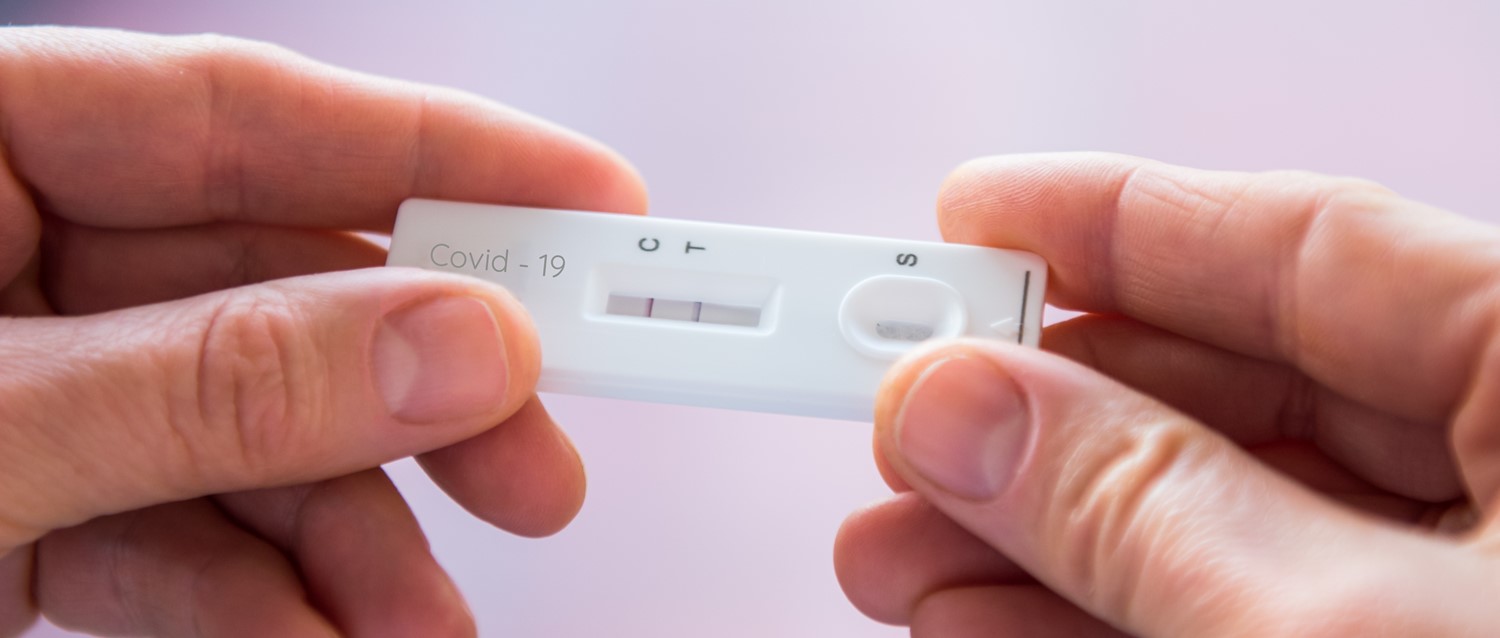
Are the new COVID-19 swab tests accurate?
The last year has seen a flurry of announcements about rapid access swab tests. But what are the practicalities of having one of these new tests and should you trust them?
by Dr Sarah Jarvis
COVID-19
What is the COVID-19 antibody blood test and should I get one?
The COVID-19 antibody blood test can be used to test the level of antibodies your immune system has produced to COVID-19, either in response to infection or the vaccine. This can give you peace of mind, and can now be done from the safety and comfort of home. However, it's important to remember that antibody test kits won't give you the full picture of your immunity against COVID-19.
by Amberley Davis
About the authorView full bio

Lydia Smith
Feature writer
BA, MA, MSc
Lydia Smith is an award-winning journalist and feature writer who has written extensively on women's health and mental health. She is currently studying for an MSc in psychology.
About the reviewerView full bio

Dr Sarah Jarvis
Clinical Consultant
MA (Cantab), BM, BCh (Oxon), DRCOG, FRCGP, MBE
After training in medicine at Cambridge and Oxford, Dr Sarah Jarvis MBE became a GP.
Article history
Article also available in English, German, Spanish, French, Italian, Portuguese, Hindi, Hebrew, Arabic, and Swedish.
27 Jan 2022 | Originally published
Authored by:
Lydia SmithPeer reviewed by
Dr Sarah Jarvis
Join the conversation
Share your thoughts or experiences with others in our patient communities.

Ask, share, connect.
Browse discussions, ask questions, and share experiences across hundreds of health topics.

Feeling unwell?
Assess your symptoms online for free
Sign up to the Patient newsletter
Your weekly dose of clear, trustworthy health advice - written to help you feel informed, confident and in control.
By subscribing you accept our Privacy Policy. You can unsubscribe at any time. We never sell your data.
More in cOVID-19
- Are the new COVID-19 swab tests accurate?
- Are vaccinations going to change during the pandemic?
- Can the COVID vaccine affect the menstrual cycle?
- COVID-19: how to avoid catching viruses at work
- COVID-19: how to stay safe this Christmas
- COVID-19: is handwashing still important when you're self-isolating?
- COVID-19: Should you cancel your Christmas plans because of Omicron?
- How to cope with traumatic events like the COVID-19 pandemic
- Tips to help your kids get used to face masks and coverings
- What are the differences between colds, flu and COVID-19?
- When will I get my COVID-19 vaccine?