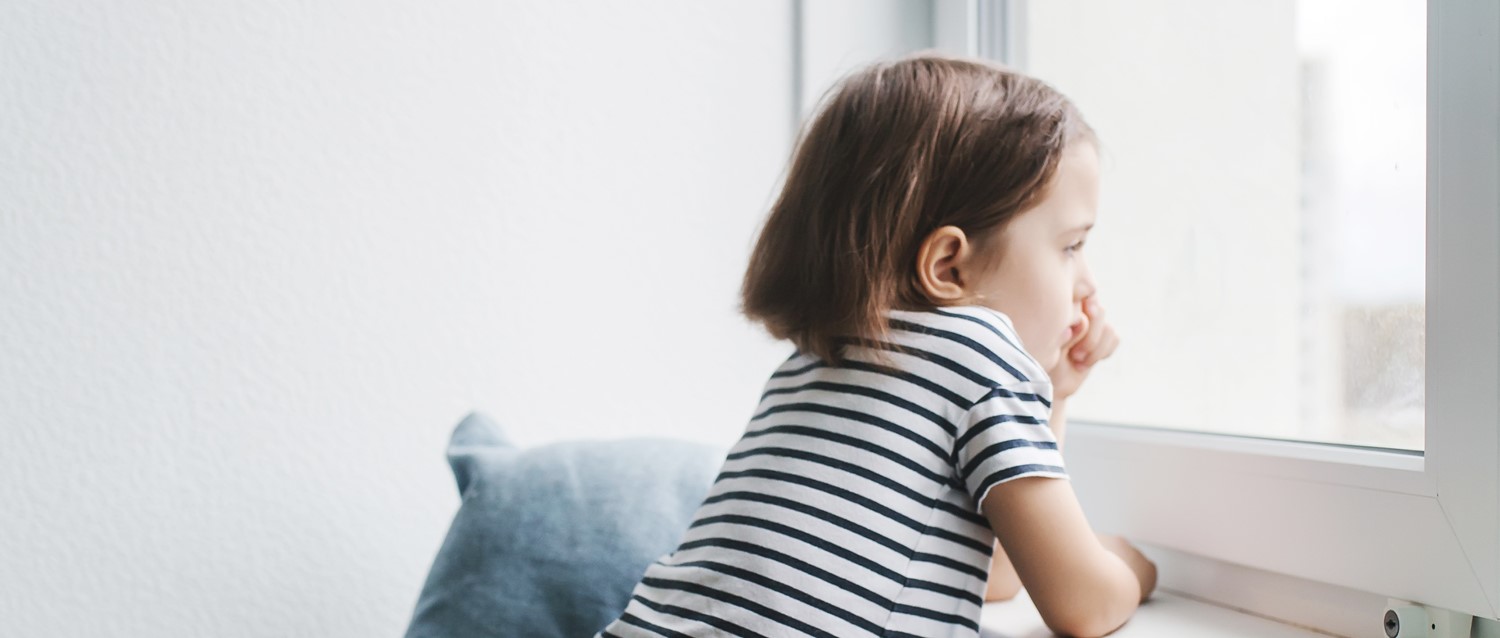
Segnali che tuo figlio sta affrontando difficoltà con la sua salute mentale
Revisione paritaria di Dr Sarah JarvisAutore Gillian HarveyPubblicato originariamente 27 Jul 2020
Rispetta le linee guida editoriali
- ScaricaScarica
- Condividi
- Language
- Discussione
- Versione audio
- Aggiungi alle fonti preferite su Google
Con le scuole chiuse, gli amici fuori portata e la vita normale in sospeso, non è sorprendente che alcuni dei nostri bambini stiano lottando con emozioni difficili. Poiché i bambini spesso non hanno il vocabolario per spiegare come si sentono, quali sono i segnali a cui dovremmo prestare attenzione come genitori e come dovremmo agire sulle nostre preoccupazioni?
2020 has been an unprecedented year - and not in a good way. If we've struggled as adults during the coronavirus crisis, it's important to remember things may have been even more upsetting or confusing for our kids.
Red Flag symptoms
Although there is no hard-and-fast rule for picking up mental distress, your child's behaviour may give a clue to how they're feeling. So what are some of the common signs?
Changes in mood
All children have the odd 'off' day, or spend an occasional afternoon squabbling with their siblings. But sometimes their mood can reveal that another factor may be at play. "Having low mood or apathy can be a sign that your child is feeling ansioso oppure depresso," explains Dr Sharie Coombes. "Children may also get angry more easily than usual."
Other children may display signs of mental rushing around. "Children in distress may do many different things, but seem unsatisfied with the result. Mental rushing around, being unable to sustain one train of thoughts and obsessive multi-tasking may be a sign of ansia, or a symptom of conditions such as Asperger's oppure ADHD," explains Coombes.
Avoidance
Of course, all of us would prefer to avoid certain situations. But if your child is reluctant to carry out some of the activities they used to enjoy, or is overreacting and panicking when an activity or destination is suggested, this may be a sign of something deeper. "If children get angry or panic at the thought of having to do something that they used to enjoy in the past, this can be a sign of anxiety or obsessive compulsive disorder (DOC)," explains Coombes. "However, this is made more complicated by the current crisis."
If your child is avoiding an activity, it's important to talk with them about why and try to find the deeper reasons behind their reluctance.
Physical symptoms
Children aren't always able to describe their feelings, or understand where they are coming from. Sometimes, when they are feeling anxious or stressati they may instead complain of a physical symptom. "Sematic physical symptoms, such as mal di testa, mal di pancia, feeling sick or mal di gola with no apparent cause, may be a sign of distress," agrees Coombes.
With children often lacking the vocabulary to specifically describe their symptoms, it can be difficult to work out whether a tummy ache is caused by a physical issue or emotional distress. However, it's important to be mindful of this possibility.
Sleep issues
When children are anxious or suffering from racing thoughts they may struggle with insonnia. It may be that they find it more difficult to get to sleep, wake up early in the morning or find themselves waking after less than an hour of sleep. Some difficulty sleeping may simply be an ordinary part of childhood. But if your little one is struggling at night, it's important to look out for other signs and symptoms of poor mental health. "If your child is struggling to sleep, look at what it's combined with," says Coombes. "For example, if they are quick to anger or have tears, or are unable to concentrate, this can be sign of something deeper."
Low self-esteem or guilt
Children who are suffering with mental health problems can sometimes complain of feeling guilty - this is especially pronounced in more serious conditions such as disturbo da stress post-traumatico (PTSD). "Sometimes these feelings can be really intense - children may feel they don't deserve anything nice, or shouldn't be going somewhere because they are inherently 'bad or worthless'," explains Coombes.
OCD and PTSD
Many of the symptoms above may indicate stress, anxiety or even depression. However, children who have suffered a period of worry or trauma may also be more susceptible to conditions such as OCD and PTSD.
DOC
OCD can come in many different forms, including unpleasant intrusive thoughts and worries about people's health.
Another symptom can be obsessive attention to hygiene and repetitive rituals. The awareness and fear of germs and lavaggio delle mani that came with coronavirus may trigger an underlying anxiety in some children, leading to behaviours such as obsessive cleaning or being disproportionately anxious about germs and hygiene.
PTSD
Many of us think of PTSD as being something experienced by people who have had a major trauma - perhaps someone who has served in the army, or been a victim of an attack.
But doctors are increasingly concerned that the current generation of children may be more prone to PTSD because of the trauma of coronavirus and the associated changes in their lives. It's important that any symptoms of mental distress be taken seriously in order for your child to receive the correct treatment if necessary.
Intervention
Taken individually, many of the above behaviours are normal for children - and ones that many children may exhibit from time to time. So when should we be concerned? "When a child's behaviour begins to interfere with normal life - their own life or family life as a whole - it's a sign that intervention is needed," explains Coombes.
Seeking advice
If your child is displaying several symptoms, or their behaviour is causing you concern, it's sensible to seek medical advice. "Children are generally very resilient, but for some this has been a horrendous, deeply worrying time. For almost all children this experience has been unnerving," explains Coombes. "Putting things in place now will reduce the chance of having a generation of children at risk of developing PTSD as adults because of this negative experience."
Family support
Even if your child isn't displaying signs that cause particular concern, as we parent through the current crisis it's a good idea to develop greater understanding of how to maintain good mental health and overcome obstacles. "We can put things in place and become more psychologically aware as a family," explains Coombes. "By talking openly, we can help our children to process what's gone on and help them to develop coping mechanisms which will stand them in good stead for the rest of their lives."
Scelte del paziente per Salute mentale e comportamento

Salute dei bambini
Come aiutare tuo figlio con l'ansia da rientro a scuola
Dopo la libertà delle vacanze estive, è normale che i bambini siano riluttanti a tornare in classe. Ma a volte, non voler tornare a scuola può essere un segno di ansia. Qui esploriamo i modi per riconoscere i segnali di stress, offrire supporto e usare strategie per reinserire i tuoi figli nella vita scolastica.
di Heather Ainsworth

Salute dei bambini
Come riconoscere i segnali che tuo figlio è depresso
Le persone a volte possono sottovalutare le difficoltà di salute mentale nei bambini, dicendo che "ci cresceranno sopra" o che i loro problemi sono "futili" rispetto a quelli degli adulti. Tuttavia, la depressione nei bambini è un problema molto reale, ed è importante essere in grado di riconoscere i segnali affinché possa essere trattata il prima possibile.
di Emily Jane Bashforth
Informazioni sull'autoreVisualizza il profilo completo
Autore
Gillian Harvey
Scrittore Freelance
Laurea in Inglese (Hons)
Gillian è una scrittrice freelance e una columnist per una varietà di giornali e riviste nazionali.
Informazioni sul recensoreVisualizza il profilo completo

Dr Sarah Jarvis
Consulente Clinico
MA (Cantab), BM, BCh (Oxon), DRCOG, FRCGP, MBE
Dopo aver completato la formazione in medicina a Cambridge e Oxford, la Dott.ssa Sarah Jarvis MBE è diventata un medico di base.
Storia dell'articolo
Articolo disponibile anche in Inglese, Tedesco, Spagnolo, Francese, Italiano, Portoghese, Hindi, Ebraico, Arabo, and Svedese.
27 Jul 2020 | Pubblicato originariamente
Autore:
Gillian HarveyRevisione paritaria di
Dr Sarah Jarvis
Partecipa alla conversazione
Condividi i tuoi pensieri o esperienze con gli altri nel nostro comunità di pazienti.

Chiedi, condividi, connettiti.
Esplora le discussioni, fai domande e condividi esperienze su centinaia di argomenti di salute.

Non ti senti bene?
Valuta i tuoi sintomi online gratuitamente
Iscriviti alla newsletter di Patient
La tua dose settimanale di consigli sulla salute chiari e affidabili - scritti per aiutarti a sentirti informato, sicuro e in controllo.
Abbonandoti accetti i nostri Informativa sulla Privacy. Puoi annullare l'iscrizione in qualsiasi momento. Non vendiamo mai i tuoi dati.