How to introduce your baby to allergenic foods
Peer reviewed by Dr Colin Tidy, MRCGPLast updated by Lawrence HigginsLast updated 20 Jun 2026
Meets Patient’s editorial guidelines
- DownloadDownload
- Share
- Language
- Discussion
- Audio Version
- Add to preferred sources on Google
Moving your baby on to solid foods can be a fun process, especially as you watch their faces as they try new flavours and textures. But it can also be nerve-wracking to introduce your baby to foods that can trigger an allergic reaction, such as peanuts or shellfish.
So how can you do it safely?
For the first six months of life, babies are either breastfed or formula-fed. Then, you can start to introduce them to solid foods.
Susan Wilson, a paediatric dietitian at Dietitian Fit, says it's important to introduce foods that may cause an allergic reaction one at a time and in very small amounts.
“This is so you can easily spot a reaction. Common foods that may cause allergies include cow’s milk, eggs, foods containing gluten - including wheat, barley, and rye - nuts and peanuts, seeds, soya, shellfish, or fish,” she says. “There is strong evidence to say that delaying the introduction of these foods may increase the likelihood of developing an allergy.
A review published in 2023 of more than 4,000 articles and 32 reviews concluded that the introduction of certain food allergens before the age of 11 months could decrease the likelihood of developing some food allergies.1
What if your baby already has a diagnosed allergy?
If your baby has a diagnosed allergy, such as a cow’s milk allergy, this may mean they’re more likely to have other allergies. However, it’s important not to panic - it just means you’ll need to be particularly careful when introducing foods. Before you start weaning, speak to your health visitor or doctor as they will be able to offer advice and support.
“Take note of any family history of allergies as this may increase the likelihood of your baby having them,” says Wilson. “If your baby is allergic to any type of food, remember to read labels carefully and avoid foods if you’re unsure.”
Sometimes, it can be easy to miss ingredients that your child is allergic to, such as milk powder.
How to introduce your baby to allergenic foods
When introducing your baby to allergens - foods that may trigger an allergic reaction - start off with one type of food at a time and in small amounts. This means you can easily spot a reaction.
“Try getting your baby to taste a small spoon of the food. For example, yoghurt, cereal, cooked fish, or scrambled egg,” says Wilson.
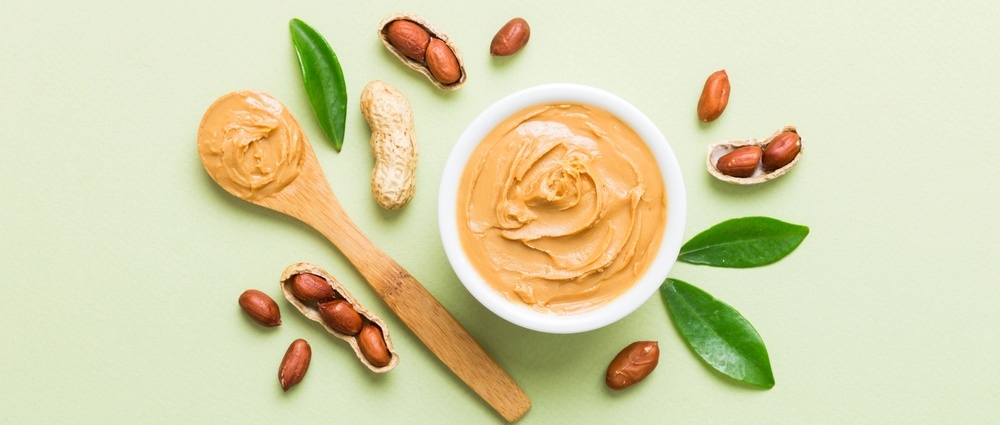
Nuts, peanuts, and seeds should be served crushed or ground and shellfish and fish should be properly cooked through. You could also try giving your child a small amount of peanut butter on a teaspoon.
“Once introduced and tolerated, these can be included as part of your baby’s diet from six months of age,” adds Wilson.
Although it can be scary to introduce peanuts or eggs to your baby, research suggests delaying it may increase the risk of developing an allergy to these foods.
Although lots of children outgrow their allergies to cow’s milk or eggs, studies suggest a peanut allergy may be more likely to be lifelong. According to the charity Anaphylaxis UK, between 1 and 2 in 10 children may outgrow a peanut allergy.
What are the signs of an allergic reaction and what should you do?
Most reactions occur within a few minutes of being exposed to an allergen.
They can include:
Red or itchy eyes.
A rash.
Worsening of eczema.
A runny or blocked nose.
They may also get stomach aches or sickness.
Sometimes, a severe reaction may occur called anaphylaxis or anaphylactic shock, which is a severe and potentially life-threatening reaction to an allergy.
This is a medical emergency and requires urgent medical attention - call for an emergency ambulance - 999 in the UK.
The signs include feeling lightheaded or faint, breathing difficulties, wheezing, a fast heartbeat, clammy skin, confusion, anxiety, and losing consciousness. If in doubt, it’s important to seek medical attention quickly.
“Don’t be tempted to experiment by cutting out a major food if you’re concerned about allergies. This could lead to your child not getting the nutrients they need,” says Wilson.
If your child does have an allergic reaction to a food, stop giving them it and speak to your doctor or health visitor. They will be able to provide a diagnosis, advice and support, or refer you to an allergy specialist.
Patient picks for Food allergy and intolerance

Allergies, blood and immune system
Video: How do you know if you're intolerant to dairy?
Having an intolerance to lactose means that your digestive system struggles to process foods containing lactose. Our experts take a look at what this could mean for you.
by Rose Constantine Smith, ANutr
Allergies, blood and immune system
Cow's milk allergy in babies: What is the milk ladder?
It can be worrying if your baby is diagnosed with a cow’s milk allergy, but there’s a good chance your child will grow out of it. Most children will become tolerant to cow’s milk before the age of five, if they are gradually reintroduced to it in a process called the milk ladder.
by Lawrence Higgins
Further reading and references
- Soriano VX, Ciciulla D, Gell G, et al; Complementary and Allergenic Food Introduction in Infants: An Umbrella Review. Pediatrics. 2023 Feb 1;151(2):e2022058380. doi: 10.1542/peds.2022-058380.
About the authorView full bio
Updated by

Lawrence Higgins
Managing editor
BSc, Post Graduate Diploma
Lawrence has worked as both Managing Editor of Patient.info and a contributing author. He is also a member of the Guild of Health Writers.
Authored by

Lydia Smith
Feature writer
BA, MA, MSc
Lydia Smith is an award-winning journalist and feature writer who has written extensively on women's health and mental health. She is currently studying for an MSc in psychology.
About the reviewerView full bio

Dr Colin Tidy, MRCGP
General Practitioner, Medical Author
MBBS, MRCGP, MRCP (Paediatrics), DCH
Dr Colin Tidy is an NHS Doctor, based in Oxfordshire.
Article history
Article also available in English, German, Spanish, French, Italian, Portuguese, Hindi, Hebrew, Arabic, and Swedish.
Next review due: 20 Jun 2029
20 Jun 2026 | Latest version
11 Apr 2023 | Originally published
Authored by:
Lydia Smith
Join the conversation
Share your thoughts or experiences with others in our patient communities.

Ask, share, connect.
Browse discussions, ask questions, and share experiences across hundreds of health topics.

Feeling unwell?
Assess your symptoms online for free
Sign up to the Patient newsletter
Your weekly dose of clear, trustworthy health advice - written to help you feel informed, confident and in control.
By subscribing you accept our Privacy Policy. You can unsubscribe at any time. We never sell your data.