How to choose healthy snacks for you and your kids
Peer reviewed by Dr Sarah JarvisAuthored by Rose Constantine Smith, ANutrOriginally published 9 Feb 2018
Meets Patient’s editorial guidelines
- DownloadDownload
- Share
- Language
- Discussion
- Audio Version
- Add to preferred sources on Google
In January 2018, Public Health England (PHE) launched a Change4Life campaign after research found half of children's sugar intake, currently around seven sugar cubes a day, comes from unhealthy snacks and sugary drinks. It encourages parents to 'look for 100-calorie snacks, two a day max' to cut children's sugar intake.
But the real question is: should kids and adults be snacking in the first place? And if so, what are the healthiest things to eat between meals?
The answer to the first question is that snacking is not necessarily bad and that if you can learn to snack well it can actually be beneficial. The issue is that many of us are not making the right choices when it comes to eating between meals.
Snacking hacks
There is no one-size-fits-all model for perfect eating. We all have different bodies and lifestyles which require different nutrients at different times. So it is not possible to provide a set regime for all.
There are, however, some golden rules that everyone can follow.
Make room for snacking
The problem is that a lot of people instead forget to reduce their main meal sizes in order to compensate for the extra energy consumed through snacking and this can cause weight gain in the long term.
So, if you are thinking of introducing a snack between meals, make sure you eat a slightly smaller portion of your lunch or dinner.
Keep it low-sugar
Often when we are craving a snack the first thing that springs to mind is something sweet. The problem is that the energy boost you experience by eating something sweet will quickly disappear because the energy is not released slowly. Soon enough you are back at square one, needing another sugar hit.
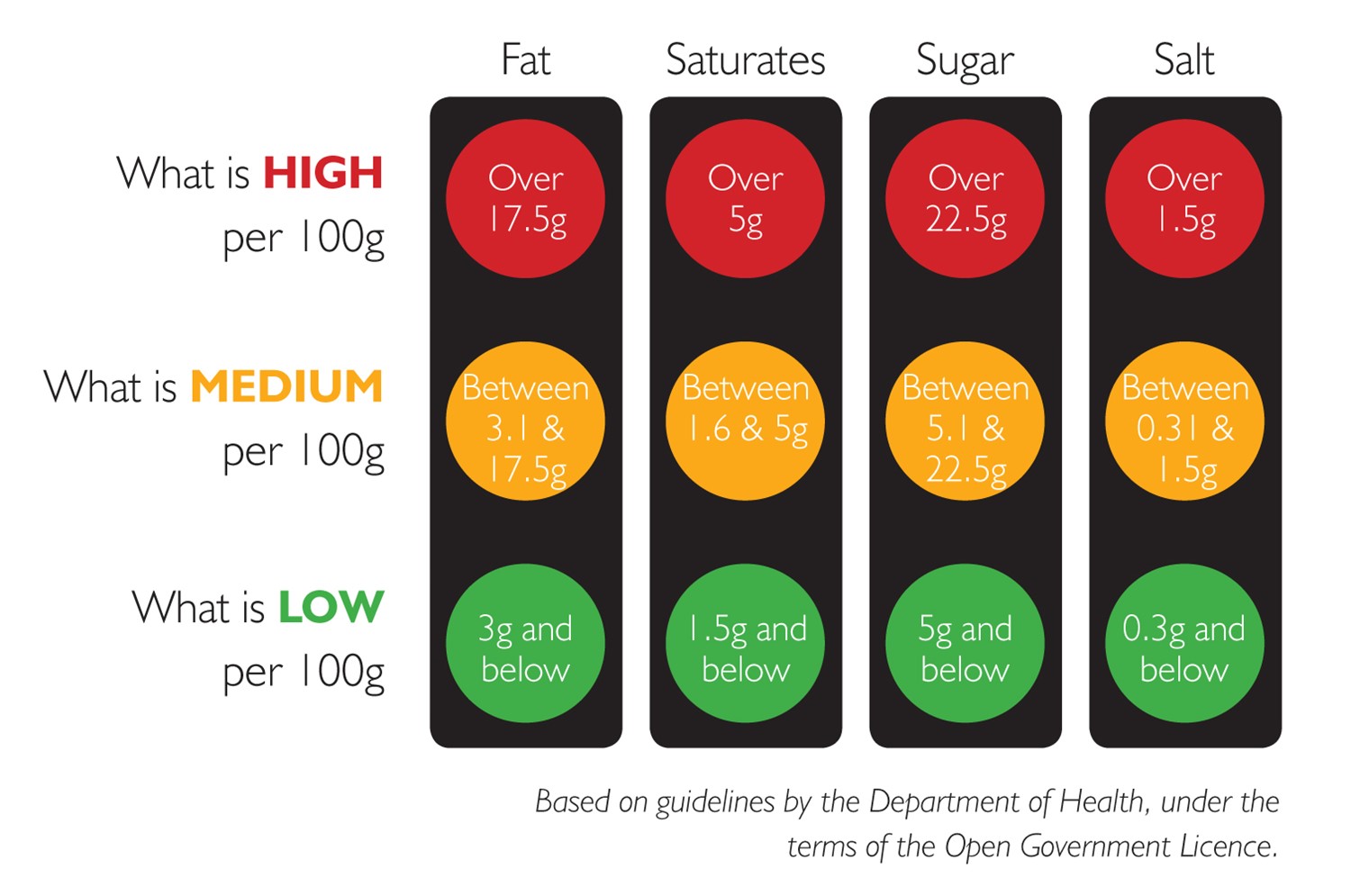
Although it's tempting, try to save high-sugar snacks for the occasional treat rather than a daily indulgence. Look for snacks that are naturally low in sugar such as those listed below. Or, if you are buying a packaged product check the per 100 g column for sugar content and look for options with 5 g or less of sugar.
Think: slow-release energy
The aim of a snack is to keep you satisfied and energised until your next meal. To do this, the snack needs to digest slowly in the body.
Protein and fibre will make you feel fuller for longer as they move through the digestive system slowly. Simple carbohydrates (for example, cakes, bread, white pasta and pastries) on the other hand, pass through the digestive system quickly. They don't make us feel as satisfied and we are more likely to feel hungry again soon after eating them.
If you're snacking on fruit and vegetables, keep the skin on as that's where a lot of the fibre is. Choose wholegrain snacks where possible too. Plus, look out for snacks containing proteins such as pulses, beans, lean meats, eggs, fish and nuts.
Check the labels
Many of us could stand to be a little more rigorous when selecting our snacks. Health claims on packaging can be misleading, and it's easy to pick up something that sounds great but is in fact high in sugar, salt or saturated fats and/or low in nutritional value. Plus, many convenience snacks on the shelves are small in size making it easy to assume they are low in calories. Don't take the size or the front of the pack at face value; instead, check two things:
1. The per 100 g values
Use this guide to check if your snack is high, medium and low in fat, saturates, sugar and salt.
Traffic light system
2. The ingredients list
Look at the list of ingredients - the fewer ingredients, the better. And the more ingredients on the list that you recognise, the better! If it is a long list of words that you can't pronounce, the chances are that it is going to provide you with little benefit.
Ask yourself: "Am I actually hungry?"
Often, we will prepare for the day by arming ourselves with multiple snacks. Then when we see said snacks, as we rummage in our bag or desk drawer, we eat them. But we rarely question if we are actually hungry or whether we are eating simply because it is there to eat. If you are truly hungry then you should eat. The feeling of hunger is your body's way of telling you that it requires energy. However, make sure you distinguish between hunger pangs and a general want for something.
The healthiest snacks
A small handful of nuts and seeds.
A handful of crudités with a tbsp of lower-fat dips such as hummus, tzatziki or cottage cheese (approx 100 calories).
A piece of whole fruit (approx 100 calories).
A crumpet (approx 100 calories).
A mini salad pot.
A hard-boiled egg (approx 100 calories).
A snack-sized lower-fat and lower-sugar yoghurt pot (approx 100 calories).
A chicken drumstick, skin removed (approx 100 calories).
A handful of edamame beans.
A small cup of soup.
Snacks for children
Aim for no more than the 100-calorie recommendation, twice a day
This is a great guideline to use, but be sure to check the calories per serving and be sure to check what they recommend as a serving amount. It isn't always the whole item!
Remember - they don't need as much as you
Use their hands to gauge what would be a portion where appropriate for things like fruit, nuts, seeds, a portion of fruit or a portion of vegetables.
Download the Change4Life app
To help you along the way, why not download the Change4Life food scanner app to double-check if packaged items are all they claim to be.
Patient picks for Healthy eating

Diet and nutrition
How to have a healthy Christmas party
Christmas parties are just around the corner and ‘tis the season to be jolly - but if you’re not careful, also the season to pile on the pounds. These days, we’re all more aware of the dangers of excess fat and sugar in our diets, but traditional Christmas foods all seem to hark back to the days when nobody had to worry about their weight.
by Dr Sarah Jarvis

Diet and nutrition
Do you need to drink eight glasses of water a day?
The European Food Standards Agency reminds us that up to 30% of our fluid intake comes from food - especially fruit and vegetables. They recommend that adults should make up the rest with about three pints (for women) and four pints (for men) of non-alcoholic fluids a day.
by Dr Sarah Jarvis
About the authorView full bio
Authored by

Rose Constantine Smith, ANutr
Nutritionist
BSc (Hons), ANutr
Rose has authored for several publications including The Healthy Food Guide and is a Nutrition and Wellbeing Manager for The Good Eating Co.
About the reviewerView full bio

Dr Sarah Jarvis
Clinical Consultant
MA (Cantab), BM, BCh (Oxon), DRCOG, FRCGP, MBE
After training in medicine at Cambridge and Oxford, Dr Sarah Jarvis MBE became a GP.
Article history
Article also available in English, German, Spanish, French, Italian, Portuguese, Hindi, Hebrew, Arabic, and Swedish.
9 Feb 2018 | Originally published
Authored by:
Rose Constantine Smith, ANutrPeer reviewed by
Dr Sarah Jarvis
Join the conversation
Share your thoughts or experiences with others in our patient communities.

Ask, share, connect.
Browse discussions, ask questions, and share experiences across hundreds of health topics.

Feeling unwell?
Assess your symptoms online for free
Sign up to the Patient newsletter
Your weekly dose of clear, trustworthy health advice - written to help you feel informed, confident and in control.
By subscribing you accept our Privacy Policy. You can unsubscribe at any time. We never sell your data.