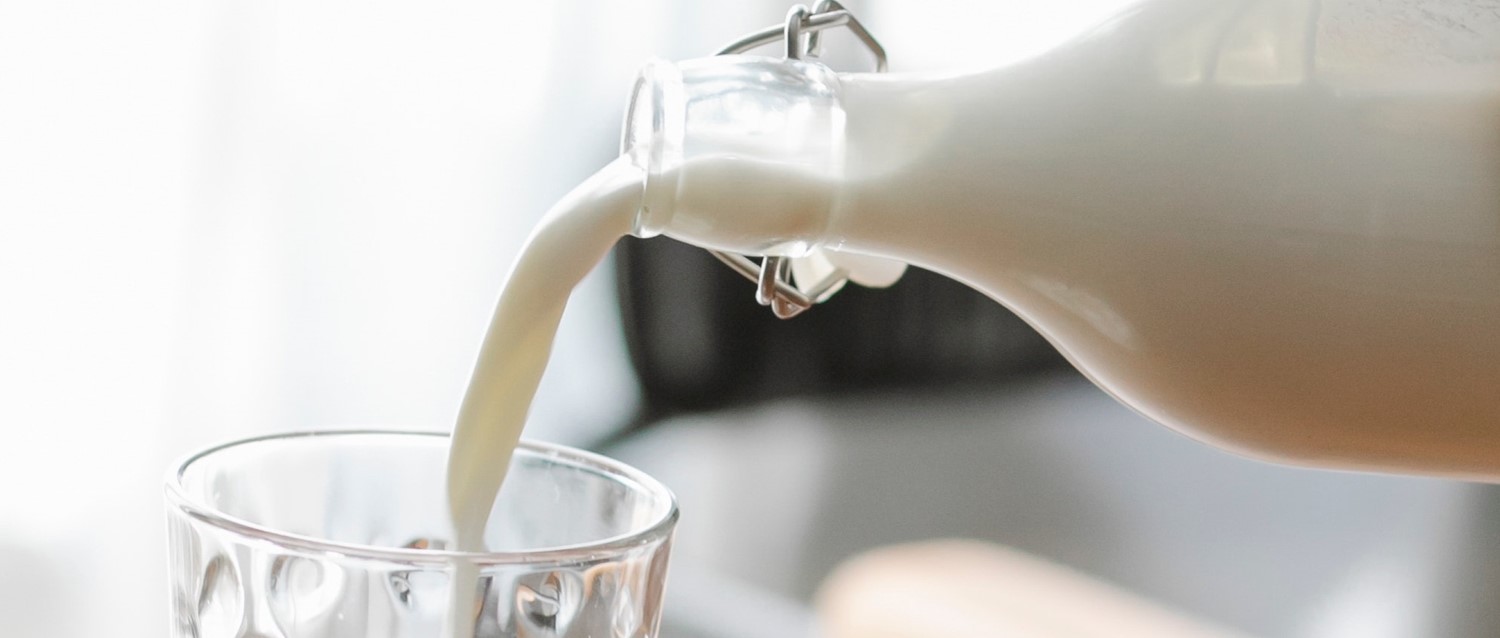
Cow's milk allergy: Which dairy-free milks are suitable for children?
Peer reviewed by Dr Krishna Vakharia, MRCGPAuthored by Lydia SmithOriginally published 15 Dec 2022
Meets Patient’s editorial guidelines
- DownloadDownload
- Share
- Language
- Discussion
- Audio Version
- Add to preferred sources on Google
Dairy-free alternatives to milk, yoghurts and cheese are abundant in supermarkets, which can be helpful when navigating a cow's milk allergy. However, it can be difficult to know which ones are suitable for children who can't tolerate cow's milk. So which dairy-free milks are best?
Cow's milk is a natural source of protein and calcium, which are important for children's development. It also contains vitamin A, which helps the body fight infections and is needed for healthy skin and eyes. However, children with a cow's milk allergy - otherwise known as a cow's milk protein allergy - can't tolerate dairy products such as milk, yoghurts or cheese.
From birth to around six months of age, babies should only have breastmilk or formula. Once you introduce solid foods, they can eat foods that use milk or non-dairy milk as an ingredient. For example, in porridge.
Luckily, there are a number of dairy-free or plant-based alternatives to choose from. It’s important to choose a milk that is unflavoured and unsweetened. You should also check to see if the milk contains added salt, as babies' kidneys are not fully developed to process it.
You should look for milks that are fortified with vitamins, minerals and calcium. Check the packaging for the nutritional value of dairy-free milks, as different brands may contain different added nutrients.
Some supermarkets sell dairy-free milks with added nutrients aimed at children aged over one, which are often called 'growing up' milks.
Breastmilk or formula
If your baby has been diagnosed as having a cow's milk allergy and is being breastfed, you may be advised to exclude cow's milk from your own diet. However, this should only be done after discussion with a dietitian or doctor, as it is important that mums who breastfeed have a balanced diet.
Babies who can't have dairy may also be prescribed a specialist formula by their doctor. This can be used instead of breast milk and can also be used in recipes during weaning.
What dairy-free milks are available?
Oat milk
Once a baby is being weaned onto solids, you can use dairy-free milks in place of cow's milk in recipes. Oat milk is a good choice because it is naturally free of lactose, nuts and soy. If made from certified gluten-free oats, it can be suitable for those with gluten-related disorders.
Often, oat milks are enriched with vitamins D and B12 and calcium. Oat milk generally has more calories, carbohydrates, and fibre than almond, soy and cow's milk. It provides less protein than soy milk. Additionally, it has a relatively neutral taste compared to other milks, which can make it easier to include in recipes for children.
Dr Krishna Vakharia, a GP and clinical director at Patient.info, says: "Some children find themselves more bloated and gassy with oat milk. However, they do tend to be ok with small amounts mixed into meals."
Soy milk
Research has shown children who are allergic to cow's milk can also be allergic to soy, so it's best to avoid - or be careful when introducing - soy milk1. If you're unsure, speak to your doctor before giving it to your child.
"Some children - but not all - with a cow's milk allergy can react to soy" says Vakharia. "Soy can cross-react so you may get children displaying symptoms that they have with cow’s milk."
Coconut milk
"Unless children have a true allergy to coconut, most do very well with coconut milk, with little-to-no side effects," says Vakharia.
There are also lots of coconut-based yoghurts in supermarkets which can be good alternatives to dairy. Some shops also offer coconut or oat-based creams, which can be used in recipes like soups, pasta sauces or curries.
Nut milks
There is a wide variety of different nut milks, including almond, macadamia, hazelnut and cashew. Many of these milks contain added vitamins, minerals and calcium. However, some of these contain more fat - such as macadamia - and less protein, such as almond.
It's important to note that nut-based milks can trigger allergic reactions in children with nut allergies.
Hemp milk
Hemp milk is made from hemp seeds that are soaked and ground in water. It can be a good alternative to cow's milk as it’s free from dairy, nuts and gluten - and contains omega 3 and 6.
Pea milk
Pea milk is made from yellow split-peas rather than green garden peas. It's a plant-based alternative to dairy and contains several nutrients such as vitamins D and A and potassium.
Rice milk
Children under five years old should not have rice drinks as a substitute for breast milk, infant formula, or cow's milk as they may contain too much arsenic2. Rice naturally tends to absorb more arsenic than other grains, but this does not mean that your baby cannot eat rice. Children may be exposed to higher levels of arsenic when drinking rice milk - as opposed to eating rice itself - because they tend to drink more milk than adults.
Other animal milks
Other animal milks - such as goat or sheep - are not suitable because children who are unable to tolerate cow's milk are at high risk of allergic reactions to other animal milks. If you are concerned about your child’s allergies and whether to introduce certain foods, speak to your doctor or dietitian before doing so.
When introducing new foods to your child, monitor them for any symptoms that could indicate an allergic reaction, such as skin swellings, rashes, breathing problems and digestive issues such as blood in the poo.
Further reading
Patient picks for Food allergy and intolerance

Allergies, blood and immune system
What is gluten intolerance?
Gluten intolerance, also known as non-coeliac gluten sensitivity, is a food intolerance toward the protein gluten that can cause discomfort and pain after it's eaten. Not to be confused with coeliac disease - an autoimmune disease caused by gluten - the symptoms of gluten intolerance are short-lasting. By contrast, coeliac disease can have serious long-term consequences if left untreated. Both are managed through the adoption of a gluten-free diet.
by Amberley Davis
Allergies, blood and immune system
Which foods should you avoid if you have a soy allergy?
A soy allergy occurs when your body reacts to soy protein. A lot of products contain soy, meaning it can be hard to avoid it completely. So, we've got all the tips on what to avoid and the symptoms to look out for in a reaction.
by Emily Jane Bashforth
About the authorView full bio
Authored by

Lydia Smith
Feature writer
BA, MA, MSc
Lydia Smith is an award-winning journalist and feature writer who has written extensively on women's health and mental health. She is currently studying for an MSc in psychology.
About the reviewerView full bio

Dr Krishna Vakharia, MRCGP
Chief Medical Officer for Health, Optum UK
MBChB, MRCGP(2013), BMedSci (hons), DFSRH, DRCOG, PGDipDerm (Distn)
Dr Krishna Vakharia is an NHS GP. She is also a regular examiner for the postgraduate Diploma in Practical Dermatology at Cardiff University as well as being the Chief Medical Officer for health at Optum UK.
Article history
Article also available in English, German, Spanish, French, Italian, Portuguese, Hindi, Hebrew, Arabic, and Swedish.
15 Dec 2022 | Originally published
Authored by:
Lydia SmithPeer reviewed by
Dr Krishna Vakharia, MRCGP
Join the conversation
Share your thoughts or experiences with others in our patient communities.

Ask, share, connect.
Browse discussions, ask questions, and share experiences across hundreds of health topics.

Feeling unwell?
Assess your symptoms online for free
Sign up to the Patient newsletter
Your weekly dose of clear, trustworthy health advice - written to help you feel informed, confident and in control.
By subscribing you accept our Privacy Policy. You can unsubscribe at any time. We never sell your data.