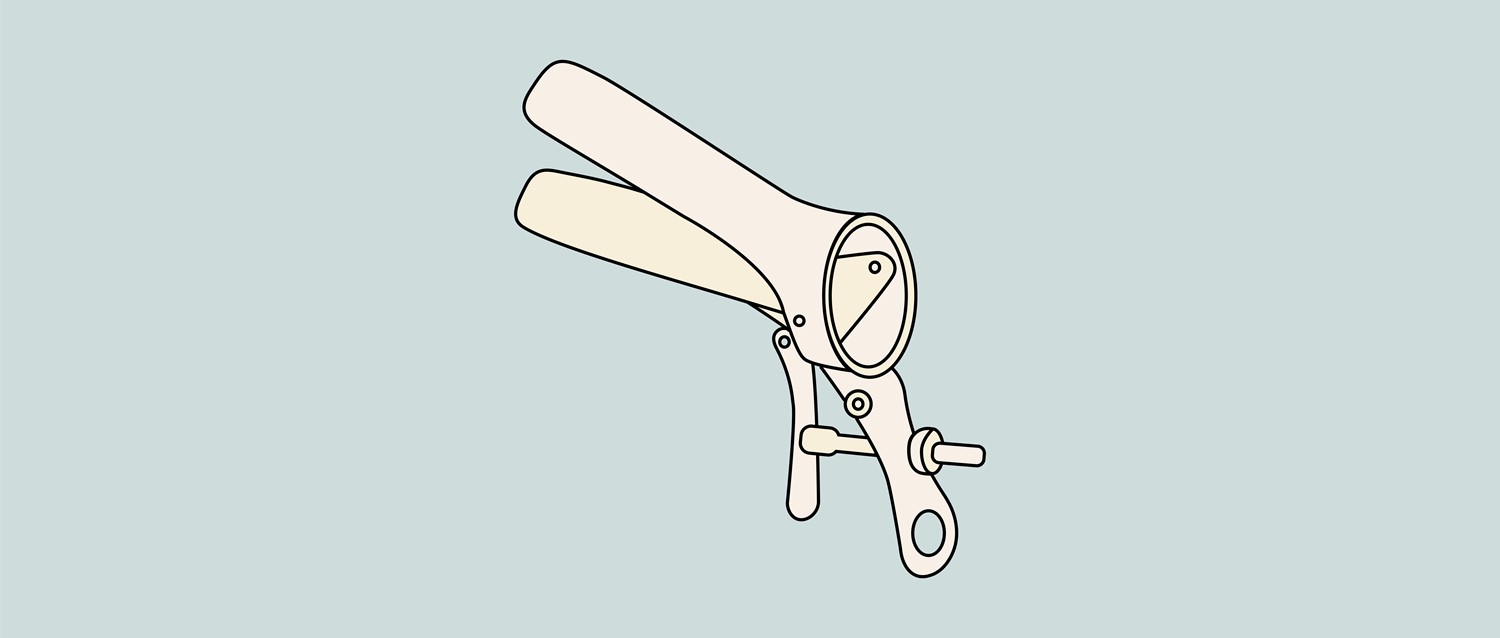
Preparing for your smear test as a survivor of sexual violence
Peer reviewed by Dr Sarah JarvisAuthored by Sarah GrahamOriginally published 31 Aug 2018
Meets Patient’s editorial guidelines
- DownloadDownload
- Share
- Language
- Discussion
- Audio Version
- Add to preferred sources on Google
"I remember a viral tweet a few years ago that said: 'If you don't go for your smear test, you're stupid. It takes minutes and it can save your life'," recalls 41-year-old Sam*. "Everyone was retweeting it but it was so overly reductive that, as a survivor of sexual violence, it was difficult to read. I mean, sure, it does take minutes, and it's usually fine, but I knew it wasn't ever that simple."
According to the World Health Organization (WHO), cervical cancer is one of the deadliest but most preventable types of cancer for women. The NHS cervical screening programme - which can detect abnormal, pre-cancerous cells - saves around 5,000 lives every year. But knowing all this doesn't make the experience of going for your smear test any less traumatic or distressing for women like Sam.
In the UK, one in five women aged 16-59 have experienced some form of sexual violence - and many of these women avoid going for their smear test as a result. A report published by Jo's Cervical Cancer Trust reveals that almost half of the survivors they surveyed had chosen not to attend cervical screening because of their history. Another quarter had put off their smear for the same reason - and that reason goes far beyond embarrassment or stupidity.
If you're a survivor of sexual violence, the cervical screening procedure is understandably reminiscent of your past trauma: the position and penetration; the exposure and vulnerability; the lack of control; and often even the language used, like "open your legs", or "it'll be quicker if you relax". But, despite the difficulties, remember that you are just as worthy of good, preventative healthcare as anybody else.
While going for a smear will probably never be a pleasant experience, there are things that both you and your healthcare professionals can do to make the screening process as painless and stress-free as humanly possible.
1. Think about what triggers you
"Everyone is different, but it might be worth taking some time before the test to consider what about it you might find most difficult or triggering, and how you might address that," suggests Katie Russell, from Rape Crisis England & Wales.
"If there are particular words or positions you find tend to trigger memories or flashbacks of your abuse, you could ask the test taker to avoid them or find alternatives," she adds.
Likewise, it might also be helpful to think about why you want to go for your smear test in the first place, suggests Pavan Amara, founder of the My Body Back Project (MBB), which operates sexual health clinics in London and Glasgow for survivors of sexual violence.
"Is it because you're worried you've got cervical cancer, or because someone in your family has been affected? Is it because you feel forced, or ashamed of not doing it? Is it because you want to look after your body and health?" she says.
"You have to weigh up the risks to yourself in terms of how much it's going to re-traumatise you. Then, if you know that you want to do it but you're very anxious, you can focus on the anxiety. That in itself gives you confidence and allows you to feel like you're in control," Amara adds.
2. Remember there's no obligation to disclose
Whether or not you choose to disclose your history is entirely up to you. Some women prefer not to, while others find it helps their GP or nurse to be more understanding about the difficulties they're facing.
"If you do want to disclose, it might help if you're able to take someone with you [to explain on your behalf], or write it on a piece of paper and hand that over to your smear taker," suggests Kate Sanger from Jo's Cervical Cancer Trust.
3. Make yourself comfortable
Simple things like booking a double appointment, or being accompanied by someone you trust, can also make a big difference in terms of making you feel safe, grounded, and not rushed, Russell suggests. Mindfulness, breathing exercises, and visualisations might also help to reduce anxiety, and Amara suggests thinking about ways to make yourself feel better using all five of your senses.
"Is there a particular colour you like that you could incorporate into what you're wearing that day? Would looking at a friend or family member's face help? We've had women bring childhood teddy bears into clinic, and that's been really comforting," she says.
"With sound, a lot of women bring iPhones with music on, or radios; we've even had women who've actually used a mindfulness app while they were having their screening, and concentrating on that worked really well for them," Amara adds.
"For taste, do you want a small square of chocolate in your mouth while you're having the screening? Just go through those five senses and do everything possible to connect your body to the message that you're in a safe place."
4. Be informed
Arming yourself with knowledge before the test can also help you feel less anxious and more in control.
"For some women, it's the invasive, physical side of the test, and the vulnerability of having to be exposed, that's really difficult, so being really informed about the test can help," Sanger says. "Knowing exactly what's going to happen, asking as many questions about what the equipment is, where it's going to go, what happens next," she suggests.
You could even ask your smear taker to talk you through it, step by step, and to make sure you're happy to proceed at each stage. And remember, Sanger adds, "it's your test and you can say 'stop' whenever you want."
5. Give yourself time
Finally, think about what you'll do after the appointment. As important as it is to give yourself plenty of time and not feel rushed during the screening, it's also worth considering how you might feel afterwards.
"If you possibly can, I would take the whole day off, and book the appointment as early as possible. Make sure you've got enough time to get there comfortably without rushing, but not enough time to really get nervous," Amara recommends.
"There's quite often an emotional reaction afterwards, which is normal - sometimes women just feel really proud of themselves and that can be overwhelming," she adds. "If possible, take the entire day off and don't necessarily plan anything - keep it quite open. Maybe plan to meet a friend, but don't plan to do anything specific, because you may not feel like it when the time comes. Don't put any extra pressure on yourself."
For more information on preparing for your cervical screening test as a survivor of sexual violence, check out the new resources from Jo's Cervical Cancer Trust, in partnership with Rape Crisis England & Wales.
Patient picks for General sexual health

Sexual health
Teenage sex education: the best digital resources for your child
Does your teenage child have questions about sex, relationships, their identity, or the physical changes that accompany puberty? Perhaps you're looking for a safe space online where they can explore different aspects of sex education and learn healthy behaviours? There are many helpful resources out there, and we've assembled some of the most trustworthy to help you support your child's sex education.
by Amberley Davis
Sexual health
What happens when you visit a sexual health clinic?
Christmas may be the season for giving, but the one gift that nobody wants is an STI. With 420,000 infections diagnosed over last year in England alone, awareness is more vital than ever in the run-up to the holiday season.
by Ross Davies
About the authorView full bio
Authored by

Sarah Graham
Freelance health journalist
MA, Newspaper, Journalism
Sarah Graham is an award-winning freelance health journalist, and founder of the feminist women's health blog Hysterical Women.
About the reviewerView full bio

Dr Sarah Jarvis
Clinical Consultant
MA (Cantab), BM, BCh (Oxon), DRCOG, FRCGP, MBE
After training in medicine at Cambridge and Oxford, Dr Sarah Jarvis MBE became a GP.
Article history
Article also available in English, German, Spanish, French, Italian, Portuguese, Hindi, Hebrew, Arabic, and Swedish.
31 Aug 2018 | Originally published
Authored by:
Sarah GrahamPeer reviewed by
Dr Sarah Jarvis
Join the conversation
Share your thoughts or experiences with others in our patient communities.

Ask, share, connect.
Browse discussions, ask questions, and share experiences across hundreds of health topics.

Feeling unwell?
Assess your symptoms online for free
Sign up to the Patient newsletter
Your weekly dose of clear, trustworthy health advice - written to help you feel informed, confident and in control.
By subscribing you accept our Privacy Policy. You can unsubscribe at any time. We never sell your data.