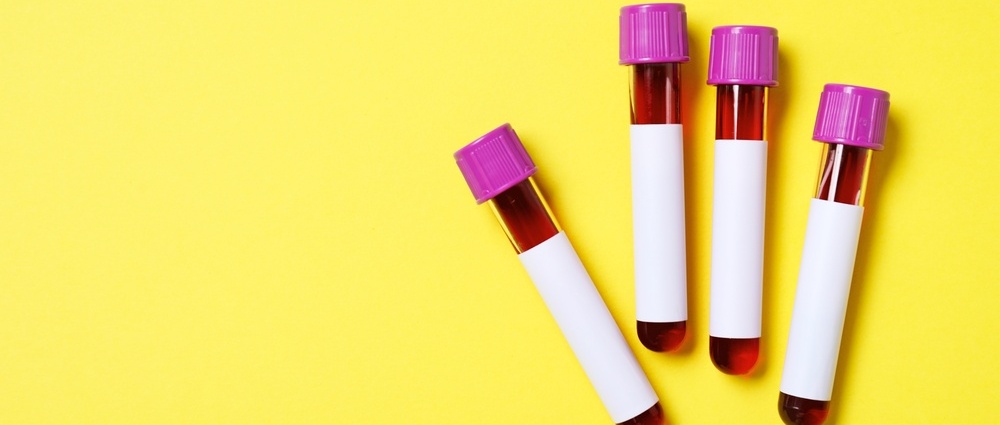
How to prepare for a blood test
Peer reviewed by Dr Colin Tidy, MRCGPLast updated by Lynn StephenLast updated 26 Jun 2026
Meets Patient’s editorial guidelines
- DownloadDownload
- Share
- Language
- Discussion
- Audio Version
- Add to preferred sources on Google
A blood test is one of the most common medical tests and is a good way to get a picture of your overall health, which helps medical professionals assess health and disease. Most people will likely need a blood test at some point in their lives so it's important to know how to prepare.
Let's face it, most of us don't enjoy going for a blood test, no matter how simple it is. Dr Deborah Lee, of Dr Fox Online Pharmacy, explains how to prepare.
"When you need to have a blood test, it's important to realise that there are many different types of blood tests," she says.
"You will be given specific instructions about your blood test - such as whether you can eat and drink beforehand, or what time of day it needs to be taken. It's in your best interests to follow these instructions carefully because this will affect your results."
Should I eat before a blood test?
If you've been told you need a blood test it's likely you've been told whether it's a fasting or non-fasting test. If it's a fasting blood test, you'll need to avoid eating and drinking - except water - for a period of time before the test is performed. Your doctor will give you this information ahead of the test.
For example, if you're being tested for blood glucose, lipid profile, or iron levels, Lee cautions that you may need to avoid eating and drinking beforehand. Fasting is usually about 8-10 hours, so blood tests are often done in the morning before you've had your breakfast.
She adds that the most common blood tests can be taken at any time. A good example is a full blood count, which checks the number of red cells, white cells, and platelets.
Why do you have to fast for some blood tests but not others?
To simplify a complicated physiological answer, eating and drinking affects the composition of your blood, which is why some blood tests require you to fast beforehand.
Take, for example, your blood glucose level. When we eat, our body releases a hormone called insulin which lowers our sugar (blood glucose) levels and allows our cells to absorb the glucose for energy.
But that has an impact on the body's usual blood glucose level, so it makes it hard for your doctor to get an accurate reading on whether your glucose levels are in a healthy range. That's why they might ask you to fast beforehand to better understand how your body is dealing with sugars. This is often required to test for diabetes.
It's a similar story for other tests that require fasting, as the nutrients you absorb through food and drink can impact the results of your blood test.
Taking medication before your blood test
If you're taking regular medication you should speak with your doctor about whether it will affect your test results.
"In general, you should continue taking your medication as usual if you are having a blood test," Lee explains. "If it needs to be stopped or taken at a different time, your doctor will inform you."
But some medications can impact your test results.
Lee lists these examples:
Antibiotics - penicillin can cause falsely elevated blood glucose results. Cotrimoxazole and erythromycin can affect blood clotting times, and levofloxacin and ofloxacin can affect urine screening for opiates.
Antidepressants and antipsychotics can cause false positive blood pregnancy test results.
Beta-blockers can reduce good (HDL) cholesterol and raise triglycerides, a fatty acid tested for in cholesterol tests.
Steroids - oral prednisolone can inflate good and bad (LDL) cholesterol, and triglycerides.
Herbal remedies, vitamins, and supplements can affect liver function and alter blood test results.
If you're taking lithium and need a blood test to check your lithium levels, the test should be taken 12 hours after your last dose.
Speak with your doctor before you stop taking these medications or if you are concerned they could affect your blood test results.
Fear of needles
It's not unusual to feel nervous before a blood test. In fact, according to Lee, a fear of needles affects 3-10% of the population.
But if you're not needle phobic and you're just feeling a bit nervous, there are a few things you can do to feel calmer before your test.
Lee suggests that you:
Take someone with you to hold your hand.
Tell the doctor, nurse, or phlebotomist what you're worried about. They've seen it all before and can reassure you.
Drink water before your test to keep yourself hydrated.
Wear a warm jumper. Keeping your arms warm helps make your veins more visible.
Distract yourself. You could, for example, listen to music while the test is being taken.
Lee says that when you start to feel anxious, this switches on your 'fight, fright, and flight' mechanism - your body thinks it is in danger and is prepared for action.
"You start to feel hot and sweaty with a racing pulse," she adds. "You may have a fall in blood pressure. Your pupils will be dilated. Often people feel light-headed and dizzy - you may feel faint and collapse.
"This is because your sympathetic nervous system (SNS) has swung into action."
The good news is, there are ways to manage it. A breathing technique called diaphragmatic breathing can help calm your nerves, according to Lee.
"Diaphragmatic breathing means using your diaphragm to fill your lungs," she explains. "If you consciously try to suck in your abdomen, you will be raising your diaphragm.
"Practise this at home, the night before, and the morning of your blood test. You can even be doing it in the waiting room while waiting for your test."
Feeling faint
It's not uncommon to feel dizzy, or even to faint, when going for a blood test. And the issue often gets worse if you're scared of needles. If you do feel dizzy or as if you might faint, it's important you tell your doctor. They can then make you feel more comfortable, or set you up somewhere safe in case you do faint during the test.
Lee suggests focusing on something other than the needle.
"Focus on an object in the room and think hard about that one thing," she advises. "Concentrate on it - focus your mind on this practical thing in front of you and ignore the blood test as much as you can."
If you're someone who is prone to feeling woozy or dizzy once your blood has been taken, it might be worthwhile packing something to eat following the test, provided your doctor says it's OK.
There's a reason you get a biscuit after donating blood - it helps get your blood sugar levels back up and will stop you feeling woozy. Packing a bottle of water or juice can also be helpful to replenish the fluid you lost due to the blood test.
Remember, your doctor will be able to answer any questions you have when you're booked for a blood test, so don't be afraid to ask.
Patient picks for Blood tests
Tests and investigations
What does a full blood count show us?
A full blood count is often included in many common blood tests. These can be used by doctors to help diagnose a range of health issues, or to help them build an overall picture of your health. What does a full blood count show? And why can it be a useful diagnostic tool?
by Lynn Stephen

Cancer
Blood test may detect ovarian cancer two years earlier
Researchers have developed a screening test which could detect a type of ovarian cancer up to two years earlier than current tests.
by Milly Evans
About the author
Updated by

Lynn Stephen
Content developer
MA (Hons)
Lynn joined Patient in 2023 and her role includes checking all the professional leaflets, patient information leaflets and medicine leaflets, to ensure consistency of spelling, grammar, reference material and brand style, working with the medical authors and clinical director to coordinate the authoring and peer reviewing of the leaflets.
Authored by
Andrea Downey
About the reviewerView full bio

Dr Colin Tidy, MRCGP
General Practitioner, Medical Author
MBBS, MRCGP, MRCP (Paediatrics), DCH
Dr Colin Tidy is an NHS Doctor, based in Oxfordshire.
Article history
Article also available in English, German, Spanish, French, Italian, Portuguese, Hindi, Hebrew, Arabic, and Swedish.
Next review due: 25 Jun 2029
26 Jun 2026 | Latest version
19 Mar 2021 | Originally published
Authored by:
Andrea Downey
Join the conversation
Share your thoughts or experiences with others in our patient communities.

Ask, share, connect.
Browse discussions, ask questions, and share experiences across hundreds of health topics.

Feeling unwell?
Assess your symptoms online for free
Sign up to the Patient newsletter
Your weekly dose of clear, trustworthy health advice - written to help you feel informed, confident and in control.
By subscribing you accept our Privacy Policy. You can unsubscribe at any time. We never sell your data.