Infezione toracica
Revisione paritaria di Dr Toni Hazell, FRCGPUltimo aggiornamento di Dr Colin Tidy, MRCGPUltimo aggiornamento 6 Oct 2024
Rispetta le linee guida editoriali
- ScaricaScarica
- Condividi
- Language
- Discussione
- Versione audio
- Aggiungi alle fonti preferite su Google
In questa serie:Bronchite acutaPolmonitePolmonite da aspirazioneInfezione toracica post-operatoriaBroncoscopia
A chest infection is an infection that affects your lower large airways (bronchi) and your lungs. Pneumonia and bronchitis are the most common chest infections. Bronchite is usually caused by a viral infection, with between 1% and 10% of cases being caused by bacteria. Polmonite is usually due to bacterial infection. Pneumonia may be serious and need hospital admission.
A colpo d'occhio
A chest infection causes a chesty cough, breathing difficulties, chest pain, and a high temperature.
There are two main types: acute bronchitis and pneumonia.
Chest infections are usually caused by viruses, so antibiotics often do not help.
You can manage symptoms by resting, drinking fluids, and taking pain relief like paracetamol.
See a GP if you are very unwell, breathless, or if symptoms worsen or include coughing up blood.
Chest infection symptoms
The main chest infection symptoms are:
A chesty cough.
Breathing difficulties (including shortness of breath and sibilo).
Dolore toracico or tightness.
Dolori e dolori muscolari.
Sentirsi molto stanchi.
A rapid heartbeat.
A cold - often called an upper respiratory tract infection (URTI) - usually starts with a combination of blocked and/or runny nose and sneezing, sometimes with a mild high temperature (fever).
You will usually get a cough, which is often dry and harsh but it can also sound like you have a lot of phlegm (sputum), which you may bring up. You may also feel tired and achy, but with the help of over-the-counter medications you'll be able to keep going with everyday activities.
Chest infections can start with these symptoms too, but you don't need to see a doctor if these are the only symptoms you have. The only exceptions are people with long-term health conditions affecting the lungs, like malattia polmonare ostruttiva cronica (BPCO) e bronchiectasie. People with these conditions are more likely to develop serious complications.
What causes a chest infection?
The vast majority of URTIs are caused by viral infections. Your immune system will fight these off without any help within a few days. Because URTIs are caused by viruses rather than bacteria, antibiotics won't help in any way. See the separate leaflet called Antibiotics.
Respiratory tract infections
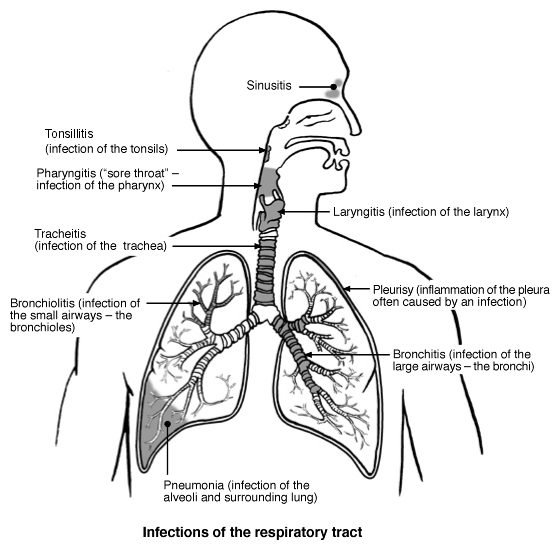
Read about sinusite, tonsillite, pharyngitis, laryngitis, tracheitis, pleurite, bronchite e polmonite.
Sometimes an infection in the upper airways can spread deeper, causing a chest infection. Sometimes germs (bacteria) already living in your lungs can multiply, with the same result.
Types of a chest infection
There are two main types of chest infection - acute bronchitis and pneumonia.
Bronchite acuta
Bronchitis is inflammation due to infection of the bronchi. '-itis' is the medical term for inflammation. It can be acute or chronic. Acute means lasting a short time and chronic means lasting a long time.
Acute bronchitis is common and is often due to a viral infection. Infection with a germ (bacterium) is a less common cause. See the separate leaflet called Acute bronchitis for more details.
Polmonite
This is usually a bacterial infection of the lung (bacterial chest infection) and may be serious. Treatment with antibiotics is usually needed. See the separate leaflet called Pneumonia for more details.
Chest infection recovery time
A bout of infection of the large airways (bronchi) in the lungs (acute bronchitis) usually gets better on its own within 7-10 days without any medicines. If you suspect that you have a severe infection of the lung (pneumonia), you should see a GP.
Are chest infections contagious?
You can pass a chest infection on to others through coughing and sneezing. So if you have a chest infection, it's important to cover your mouth when you cough or sneeze and to wash your hands regularly. You should throw away used tissues immediately.
Chest infection treatment
Although most chest infections are mild and improve on their own, some cases can be very serious, even life-threatening.
Quando consultare un medico?
Infection of the large airways (bronchi) in the lungs (acute bronchitis) usually gets better by itself, so there is often no need to see a GP. However, you should contact a GP if you feel very unwell, particularly if you are feeling breathless.
Se hai asma oppure BPCO you should take your doctor's advice.
They may have given you recommendations about increasing your inhaler medication or taking a 'rescue pack' of antibiotics and steroid tablets at the first sign of an infection (much more common for those with COPD than asthma).
If not, speak with them for advice if you develop chest infection symptoms.
You should also speak with a doctor or arrange a face-to-face consultation if you have a weakened immune system as it is more likely that you will need antibiotic treatment.
Warning signs of a chest infection
There are a number of chest infection symptoms that mean you should see a GP even if you do not have any other lung problems. If your symptoms get worse, you should look out for these warning signs. They include:
If a fever, wheezing or headache becomes worse or severe.
If you develop fast breathing, shortness of breath, or chest pains.
If you cough up blood or if your phlegm becomes dark or rusty-coloured.
If you become drowsy or confused.
If a cough lasts for longer than 3-4 weeks.
If you have repeated bouts of acute bronchitis.
Se si sviluppa qualsiasi altro sintomo di cui sei preoccupato.
Antibiotics for a chest infection
Antibiotici are medicines used for infections caused by germs (bacteria) and don't work on viruses. Unless you have a long-term condition affecting your chest, your doctor is unlikely to prescribe antibiotics unless your symptoms and examination suggest you may have pneumonia.
Chest infection treatment at home
If you have a chest infection, you should:
Have plenty of rest.
Drink lots to prevent your body becoming lacking in fluids (dehydrated) and to help loosen the mucus in your lungs and make it easier to cough up.
Inhale steam vapour, perhaps with added menthol. Breathe in steam from a bowl of hot water - this can help to clear the mucus from your chest. Never use a bowl of hot water for a child's cough, in case they get scalded by accident; however, you could run a very hot bath to make the bathroom steamy and sit in the room with the child, safely away from the hot water.
Sleeping with an extra pillow to avoid lying flat at night to help keep your chest clear of mucus and make it easier to breathe.
Fai paracetamolo, ibuprofene oppure aspirina to reduce high temperature and to ease any aches, pains and headaches. (Nota: children aged less than 16 years should not take aspirin.)
You should try to smettere di fumare for good if you smoke. Bronchitis, chest infections and serious lung diseases are more common in smokers as well as the long-term consequences such as lung disease, heart disease and cancer.
If your throat is sore from coughing, you can relieve the discomfort with a warm drink of honey and lemon.
What about cold and cough medicines for a chest infection?
You can buy many cold and flu remedies and cough medicines at pharmacies. These will help to make you feel better and help you to carry on with normal activities, but won't make the infection go away more quickly.
How is a chest infection diagnosed?
Your doctor will be able to make a diagnosis of a chest infection by listening to your story and examining you.
Often no tests are needed if you have infection of the large airways (bronchi) in the lungs (acute bronchitis) and your symptoms are mild. If your chest infection symptoms are more severe and you need to go to hospital then you may need to have the following tests:
A radiografia del torace may be taken to be sure of the diagnosis and to see how bad the infection is.
Esami del sangue and phlegm (sputum) tests may be taken to find which germ (bacterium) is causing the serious lung infection (pneumonia). This helps to decide which antibiotic medicine is best to use. Sometimes the germ (bacterium) that is causing the pneumonia is resistant to the first antibiotic. A switch to another antibiotic is sometimes needed.
Are chest infections common?
Chest infections are very common, especially during the autumn and winter. They often occur after a raffreddore oppure influenza. Anyone can get a chest infection but they are more common in:
Young children and the elderly.
People who fumi.
Donne incinte.
People with long-term chest problems such as asma, BPCO, fibrosi cistica, malattie cardiache, diabete, dei reni oppure malattie epatiche.
People with an immune system that's weakened either by conditions such as some cancers (including linfoma, mieloma e leucemia) o AIDS; or by treatments such as high-dose steroidi, chemioterapia or other medicines that can suppress your immune system.
How to prevent a chest infection
There are measures you can take to help prevent chest infections and to stop the spread of it to others. For instance, washing your hands regularly reduces the chance of germs getting into your system.
Qual è la prospettiva?
Infection of the large airways (bronchi) in the lungs (acute bronchitis) usually clears without any complications. Occasionally, the infection travels to the lung tissue to cause a serious lung infection (pneumonia).
If you have pneumonia and are well enough to be looked after at home, your outlook is very good. If you need to be looked after in hospital, the outlook is still usually good - but not quite as good. The outlook is also not as good for people who also have long-term illnesses such as lung disease, heart failure or diabetes.
Scelte del paziente per Infezioni toraciche

Torace e polmoni
COVID-19
COVID-19 is an infectious disease caused by a virus that was first identified in December 2019 in Wuhan, China. This leaflet deals with the symptoms, causes and treatment of COVID-19.
di Dr Doug McKechnie, MRCGP

Torace e polmoni
Bronchite acuta
La bronchite acuta è un'infezione comune del torace che provoca infiammazione delle vie respiratorie. Di solito è causata da infezioni virali e spesso migliora da sola nel giro di alcune settimane. Consultare un medico se i sintomi non migliorano o si ha difficoltà a respirare. Questa scheda spiega i sintomi da tenere sotto controllo e come gestirli.
di Dr Toni Hazell, FRCGP
Domande frequenti
Can a chest infection develop into something more serious?
Yes, an infection of the large airways (acute bronchitis) usually clears without complications. However, occasionally, the infection can spread to the lung tissue and cause a more serious lung infection like pneumonia.
How can I prevent a chest infection from recurring?
Washing your hands regularly helps reduce the chance of germs entering your system and contributing to chest infections. Taking general measures to stay healthy can also be beneficial.
What should I do if my cough lasts for a very long time?
If your cough persists for longer than 3-4 weeks, you should contact a doctor for advice. This is one of the warning signs that suggests a medical review is needed.
Are some people more likely to develop severe chest infections that require hospital care?
Yes, if you have pneumonia and are unwell enough to require hospitalisation, the outlook is generally good but not quite as good as being able to recover at home. The outlook is also less favourable for individuals with co-existing long-term conditions such as lung disease, heart failure, or diabetes.
What are some natural remedies I can use to ease chest infection symptoms at home?
Beyond resting and drinking plenty of fluids, you can try inhaling steam, possibly with menthol, to help clear mucus. Sleeping with an extra pillow can also aid in keeping your chest clear. A warm drink of honey and lemon can soothe a sore throat caused by coughing.
How do I know if I have the flu or a chest infection?
Chest infections often occur after a cold or the flu. While a cold usually starts with a runny or blocked nose and sneezing, with a cough developing later, a chest infection can begin with similar symptoms but may also include more significant breathing difficulties, chest pain, and a higher temperature. If you have symptoms like fast breathing, shortness of breath, or chest pains, you should see a GP, as these may indicate a chest infection.
Ulteriori letture e riferimenti
- Infezioni toraciche - adulti; NICE CKS, maggio 2024 (accesso solo Regno Unito)
- Antibiotic awareness resources: key messages on antibiotic use; Public Health England (now UK Health Security Agency)
Informazioni sull'autoreVisualizza il profilo completo

Dr Colin Tidy, MRCGP
Medico di base, Autore medico
MBBS, MRCGP, MRCP (Paediatrics), DCH
Il Dr Colin Tidy è un medico del NHS, con sede nell'Oxfordshire.
Informazioni sul recensoreVisualizza il profilo completo

Dr Toni Hazell, FRCGP
MBBS, BSc, FRCGP, DFSRH, Dip GU med, DRCOG, DCH (London, UK, 2000)
La Dott.ssa Toni Hazell si è laureata presso la St. Mary’s Hospital Medical School e ha completato il suo VTS al Northwick Park Hospital.
Storia dell'articolo
Le informazioni su questa pagina sono scritte e revisionate da clinici qualificati.
Articolo disponibile anche in Inglese, Tedesco, Spagnolo, Francese, Italiano, Portoghese, Hindi, Ebraico, Arabo, and Svedese.
Prossima revisione prevista: 5 Ott 2027
6 Oct 2024 | Ultima versione
7 May 2013 | Pubblicato originariamente
Autore:
Dr Colin Tidy, MRCGP

Chiedi, condividi, connettiti.
Esplora le discussioni, fai domande e condividi esperienze su centinaia di argomenti di salute.

Non ti senti bene?
Valuta i tuoi sintomi online gratuitamente
Iscriviti alla newsletter di Patient
La tua dose settimanale di consigli sulla salute chiari e affidabili - scritti per aiutarti a sentirti informato, sicuro e in controllo.
Abbonandoti accetti i nostri Informativa sulla Privacy. Puoi annullare l'iscrizione in qualsiasi momento. Non vendiamo mai i tuoi dati.
Più in petto e polmoni
- Esacerbazioni acute della BPCO
- Malattia di Bornholm
- Difficoltà respiratorie nei bambini
- Costole rotte o contuse
- Bronchiolite
- Costocondrite
- Emottisi
- Epiglottite
- Malattia del legionario
- COVID lungo
- Cancro ai polmoni
- Mesotelioma
- Angina microvascolare
- Broncodilatatori orali
- Polmonite
- Sarcoidosi
- Virus SARS e MERS
- Uso della terapia con ossigeno nella BPCO
- Tosse virale