Pelvic pain: a woman's guide to common causes
Peer reviewed by Dr Colin Tidy, MRCGPLast updated by Victoria RawLast updated 20 Mar 2026
Meets Patient’s editorial guidelines
- DownloadDownload
- Share
- Language
- Discussion
- Audio Version
- Add to preferred sources on Google
A sudden, stabbing pain in your pelvic area can be a symptom of various health conditions, especially in women. Most cases of pelvic pain are usually nothing to worry about. However, understanding potential causes might give you some peace of mind and help you know when to go see your doctor.
In this article:
Video picks for General women's health
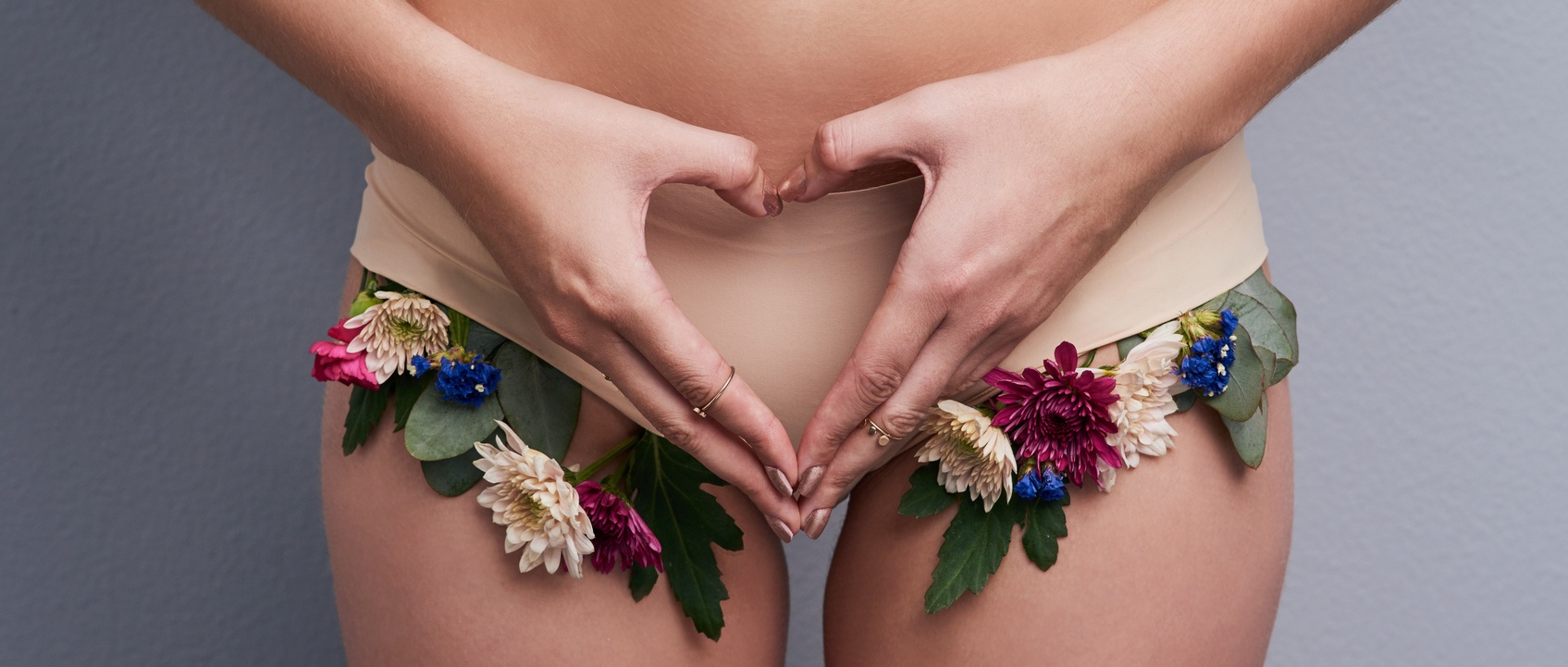
Your pelvic region is the area between your hip bones, below your tummy, and above your thighs - near your bladder and bottom.
For women, it also contains your:
Cervix.
Fallopian tubes.
Ovaries.
Womb.
Vagina.
Dr Leia Rispoli, interventional pain management specialist and physiatrist for DISC Sports & Spine Center, California, USA, explains that it's important to understand the exact location of your pelvic area to identify the source of your pain.
She says: "Being able to narrow down a diagnosis will depend on where you're feeling that sudden, stabbing pain, which makes a huge difference."
Pelvic pain symptoms
Pelvic pain can be intense and fleeting, or last for several months. The pain may be confined to a specific part of the pelvis, or affect the entire area.
Pelvic pain is usually classified as a:
Sudden, intense stabbing pain (acute).
Dull, throbbing ache, or a feeling of heaviness.
Knotted, twisting sensation.
Pain that happens during physical activity, sexual intercourse or peeing.
Persistent, gradually worsening pain (chronic).
Recurring pain that feels like throbbing or cramping.
Continue reading below
Causes of pelvic pain
Denise Urtarte, a nurse practitioner and pelvic pain specialist based in Los Angeles, USA says it can be challenging to pinpoint exactly where your pelvic pain is coming from.
"Pelvic pain can come from various sources, including the reproductive, gastrointestinal, or urinary systems," she says. "However, certain patterns and symptoms can help narrow it down to a possible cause."
Pelvic pain in women
Pelvic pain is generally more common in women, primarily because of the presence of reproductive organs in the pelvic region.
Some common gynaecological causes of pelvic pain include:
Period pain - starts before or during your period. May be sharp, dull, or cramping, and can spread to your back and thighs.
Ovarian cysts - when a cyst on your ovaries becomes enlarged, twisted or ruptured. Can cause a dull, heavy feeling, or a sudden, severe and sharp pain.
Endometriosis - where cells similar to those in the lining of the womb (uterus) grow outside of the womb. Causes severe pelvic and period pain.
Pelvic inflammatory disease (PID) - an infection in your reproductive organs, such as the fallopian tubes, ovaries and womb. Can cause painful periods, pain in your pelvis and discomfort during sex.
In rare cases, pelvic pain could be a symptom of ectopic pregnancy when a fertilised egg develops outside of the womb, usually in one of the fallopian tubes.
Urtarte says: "This is a medical emergency - and can cause severe stabbing pain."
If you're experiencing pain that's not going away, you should see a healthcare provider immediately to help determine if the cause is something that needs to be treated urgently.
Gastrointestinal causes
Because the position of your gut and reproductive organs overlap, it can sometimes be difficult to determine whether symptoms are related to gynaecological or digestive (gastrointestinal) pain.
Dr Janet Choi, is a reproductive endocrinologist, based in New York, USA.
She says: "Pain above the navel (upper abdomen) is more likely to be gastrointestinal, though this is not always true. Pain below the navel can also be due to gastrointestinal causes."
Pain around your pelvis can be a cause of digestive conditions such as:
Irritable bowel syndrome (IBS): a condition that affects your digestive system - can cause painful tummy cramps, bloating, gas, constipation, and diarrhoea.
Inflammatory bowel disease (IBD): a group of conditions that affects your digestive tract - can cause tummy pain, fatigue and diarrhoea.
Diverticulitis: an infection of the large intestine (bowel) - can cause intense, ongoing tummy pain.
Constipation: when you find it hard to poo, or you're not pooing as often - can cause bloating and tummy pain.
Urtarte adds that trapped wind in your intestines can also cause sudden, sharp pain in your pelvic area.
Urinary conditions
Sometimes pelvic pain is due to urinary tract infection (UTIs). These can affect any part of your urinary system, such as the kidneys, bladder, and urethra.
Urtarte says: "While generally associated with a burning sensation, some UTIs can lead to sharp pelvic pain, particularly if the infection spreads to your kidneys."
Some examples of UTIs include:
Cystitis, an infection of the bladder - causes pain or burning when you pee that can be felt in the pelvic region.
Urethritis, an inflammation of the urethra - causes pain when peeing that can radiate to the pelvic area.
Kidney infection - can cause pain in your side, lower back or genital area.
Musculoskeletal issues
A pain in your pelvis can be due to issues with your muscles or bones.
"Examples of this include pelvic floor dysfunction," says Urtarte. "Muscle spasms or strain in the pelvic floor can cause sharp, stabbing pain, especially after physical activity.
"Pudendal neuralgia - a condition caused by damage to the pudendal nerve - can lead to a stabbing or burning sensation in the pelvic region."
Can stress cause pelvic pain?
Back to contentsStress - both past and present - can cause pelvic pain in some women without any detectable physical issues in their pelvic organs.
David D. Clarke, President, Psychophysiologic Disorders Association explains that this can be stress in present-day life, unrecognised anxiety, depression, post-traumatic stress (PTSD), or the long-term impact of any adversity in childhood.
Urtarte adds that long-term stress and anxiety can lead to muscle tension - particularly in your pelvic area - which can worsen conditions such as IBS or pelvic floor dysfunction.
"Learning stress-reduction techniques such as mindfulness or meditation can help manage this type of pain," she says. "Talk to your doctor or consult with a licensed therapist to discuss further steps if you need additional guidance."
Continue reading below
Can diet affect pelvic pain?
Back to contentsAlong with stress, lifestyle factors such as diet and exercise can either contribute to or alleviate pelvic pain.
Urtarte says that the foods you eat can influence conditions such as IBS, endometriosis or UTIs. A diet high in processed foods and sugar can increase inflammation and worsen symptoms.
"Eating a fibre-rich diet and staying hydrated can improve bowel health and potentially reduce pelvic pain," she says. "Regular physical activity also improves circulation and releases endorphins, which can help with pain management."
She adds that specific pelvic floor exercises - such as Kegels - can strengthen muscles and reduce discomfort caused by muscle tension or spasms.
Low-impact exercises such as yoga, walking, or swimming may also be beneficial.
When should you see a doctor about pelvic pain?
Back to contentsAlthough most pelvic pain isn't a medical emergency, some conditions require immediate attention. For example, appendicitis, peritonitis, and kidney stones - along with some of the potential causes listed above - can all cause severe pelvic pain.
Book an appointment with your doctor if - along with pain - you have the following symptoms:
Persistent pain.
Blood in your pee or poo.
A bloated tummy that's lasted for over 3 weeks.
Heavy bleeding or discharge from your vagina.
Prolonged constipation or diarrhoea.
Unexplained weight loss.
"Seek medical attention to ensure proper diagnosis and treatment," says Urtarte. "Understanding your body and recognising when something feels off is key to getting the care you need.
Whether it’s lifestyle changes, medicine, or surgical intervention, options are available to help you find relief from pelvic pain."
Seek immediate medical attention if:
Your pain is severe and hurts to the touch.
You're finding it hard to pee or poo.
You need to pee more often and have pain whilst doing do.
You have a high temperature, fever, chills, or sweating.
You're pregnant - or may be pregnant.
Patient picks for General women's health
Diet and nutrition
Flax seeds: a secret weapon for women's health?
Flax seeds are praised for their diverse health advantages - from supporting heart health to regulating blood sugar. Packed with nutrients, they’re easy to add to meals, baked goods, and drinks. They're also gaining popularity in the world of women's health. But what exactly are these health benefits, and what do the experts say?
by Victoria Raw
Hormones
HRT: fact-checking risks and benefits
Myths persist about side effects and risks of hormone replacement therapy (HRT) for menopause. Here we fact check the reality behind the rumours and misconceptions and give you the truth about taking this medicine which plays a vital role in helping you live with menopause more comfortably and healthily.
by Lawrence Higgins
Continue reading below
About the authorView full bio

Victoria Raw
Feature Writer
BA (Hons), English Literature
Victoria is a content writer with Patient whose special interests focus on mental wellbeing, societal trends and the impact of technology on our health.
About the reviewerView full bio

Dr Colin Tidy, MRCGP
General Practitioner, Medical Author
MBBS, MRCGP, MRCP (Paediatrics), DCH
Dr Colin Tidy is an NHS Doctor, based in Oxfordshire.
Article history
The information on this page is peer reviewed by qualified clinicians.
Next review due: 19 Mar 2029
20 Mar 2026 | Latest version
1 Oct 2024 | Originally published
Authored by:
Victoria Raw

Ask, share, connect.
Browse discussions, ask questions, and share experiences across hundreds of health topics.

Feeling unwell?
Assess your symptoms online for free
Sign up to the Patient newsletter
Your weekly dose of clear, trustworthy health advice - written to help you feel informed, confident and in control.
By subscribing you accept our Privacy Policy. You can unsubscribe at any time. We never sell your data.